Winery
Penfolds
Founded in 1844 at Magill on Adelaide's eastern fringe, Penfolds is the reference point against which Australian Shiraz is measured globally. The estate's Magill site functions as both working winery and tasting destination, overseen by Chief Winemaker Peter Gago. EP Club Pearl 5 Star Prestige (2025) recognises its sustained influence on how the world understands Australian wine.
- World's 50 Best · #13
At a glance
- Price
- $$$$
- Neighborhood
- Magill
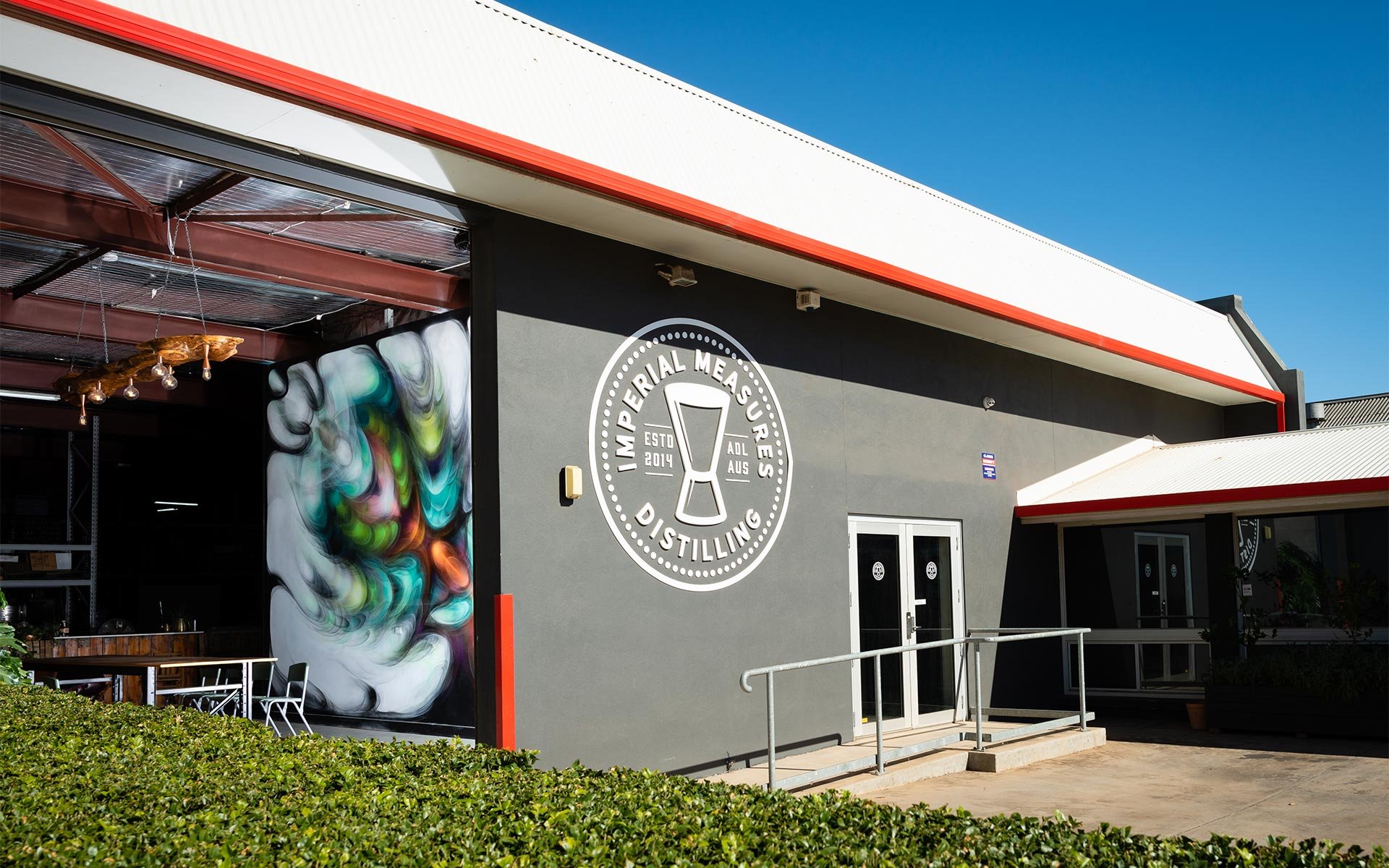
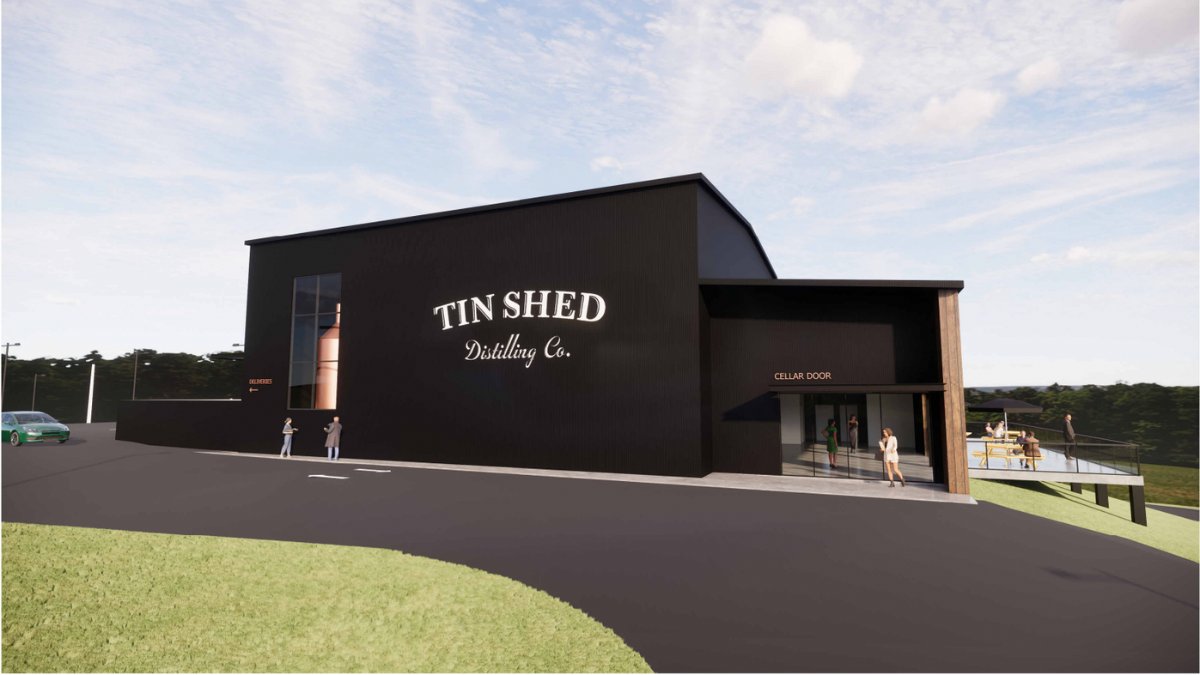
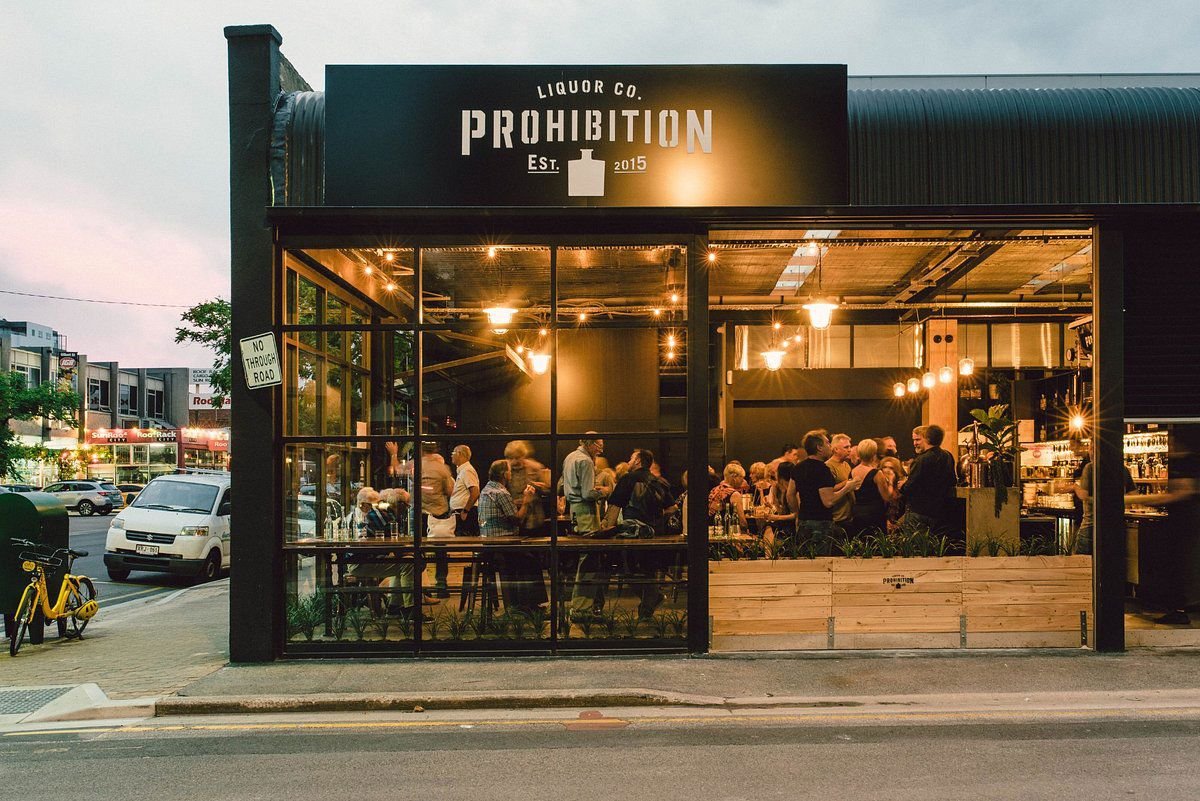
<h2>The Road to Magill</h2><p>The drive east from Adelaide's CBD along Penfold Road signals a shift in register. The city's suburban grid gives way to the lower slopes of the Mount Lofty Ranges, and the Magill Estate sits on that boundary: an urban winery in the technical sense, close enough to the city to reach by taxi, yet planted on refined ground with a viticulture history that stretches back to 1844. Arriving here, you are not entering a rural retreat. You are entering a working site that has been continuously producing wine for more than 180 years, and the physical presence of that continuity — old stone buildings, mature vines, the specific gravity of a place that has been taken seriously for a long time — registers before you reach the tasting room door.</p><h2>The Weight of Shiraz History</h2><p>Australia's relationship with Shiraz is defined, in large part, by what happened at this address. When the variety was being dismissed internationally as a blending workhorse, Penfolds was building a systematic, multi-regional approach to it that would eventually force a global reassessment of what the grape could do at serious price points. That reappraisal did not happen overnight, and it did not happen by accident. It was the product of a winemaking philosophy rooted in consistency, blending intelligence, and the willingness to age wines far longer than the market expected.</p><p>Chief Winemaker Peter Gago has held the leading position since 2002, making him one of the longest-serving senior winemakers at any major Australian house. That continuity matters in a category where house style can shift sharply with personnel changes. At Penfolds, the house style is the institution, and Gago's tenure has maintained the thread between the archive of older vintages and whatever is being released now. The EP Club awarded Penfolds its Pearl 5 Star Prestige rating in 2025, placing it in the upper tier of its peer set.</p><h2>What the Tasting Experience Actually Involves</h2><p>Tasting programs at Magill operate across several formats, from entry-level introductions to the range through to premium seated experiences that work through older vintages alongside current releases. The format matters here more than at most wineries, because Penfolds' portfolio spans a wide price and age range, and the experience of tasting a current release alongside a wine from a decade or two earlier , with a guide who can contextualise the difference , is the most direct way to understand what the house is doing and why.</p><p>The tasting room itself is set within the historic Magill site, and the architecture does not try to compete with the wine. The focus is on the glass, the context provided by the host, and the process of working through a logical sequence of wines rather than a random cross-section of the portfolio. Visitors who come expecting a passive pour and a price list tend to leave knowing more than they anticipated. The staff-to-guest ratio in the premium formats is calibrated for conversation rather than throughput, which is not the norm at Australian wineries operating at volume.</p><p>For those visiting Adelaide and considering the Magill Estate as part of a broader wine program, it is worth noting that the estate sits around 20 minutes from the city centre and is manageable as a half-day visit. Tasting bookings, particularly for the premium formats, run ahead of walk-in availability, especially in warmer months when Adelaide draws visitors for festivals and events. Checking availability before arriving is the practical baseline.</p><h2>Where Penfolds Sits in the Australian Wine Picture</h2><p>Australia's premium wine sector has split into several distinct camps over the past two decades. At one end sit the small, terroir-focused producers , operations like <a href="https://www.enprimeurclub.com/wineries/bass-phillip-gippsland-winery">Bass Phillip in Gippsland</a>, where limited production and Burgundian sensibility define the project, or <a href="https://www.enprimeurclub.com/wineries/bird-in-hand-adelaide-hills-winery">Bird in Hand in Adelaide Hills</a>, working with cooler-climate varieties at a boutique scale. At another end sit the multi-regional blending houses, where the argument is not about single-site expression but about consistency across vintages and the cumulative depth of a wine library. Penfolds belongs firmly to the second category, and makes no apology for it.</p><p>That multi-regional model is also what has allowed the house to absorb variation in any given growing season. A drought year that reduces one fruit source can be compensated by drawing from another region. A cooler vintage that shifts the profile of one component changes the blend rather than the final wine's character. This is not winemaking without conviction , it is a different kind of conviction, one that prizes the integrity of the house style above the romance of single-site naturalism. Critics who approach it with the same criteria they apply to Burgundy or German Riesling are, in some sense, asking the wrong question.</p><p>Producers operating in adjacent South Australian categories , including craft spirits operations like <a href="https://www.enprimeurclub.com/wineries/imperial-measures-distilling-adelaide-winery">Imperial Measures Distilling</a>, <a href="https://www.enprimeurclub.com/wineries/prohibition-liquor-co-adelaide-winery">Prohibition Liquor Co</a>, and <a href="https://www.enprimeurclub.com/wineries/tin-shed-distilling-co-iniquity-adelaide-winery">Tin Shed Distilling Co (Iniquity)</a> , represent a different current in Adelaide's drinks culture, one oriented toward small-batch production and local provenance. These operations are worth including in any extended Adelaide drinks itinerary, precisely because they provide contrast. The industrial scale and archival depth of Penfolds reads differently after an afternoon spent at a distillery making 500-litre batches.</p><p>For broader Australian wine comparisons, <a href="https://www.enprimeurclub.com/wineries/best-s-wines-great-western-winery">Leading's Wines in Great Western</a>, <a href="https://www.enprimeurclub.com/wineries/brokenwood-hunter-valley-winery">Brokenwood in Hunter Valley</a>, <a href="https://www.enprimeurclub.com/wineries/brown-brothers-king-valley-winery">Brown Brothers in King Valley</a>, <a href="https://www.enprimeurclub.com/wineries/angove-family-winemakers-renmark-winery">Angove Family Winemakers in Renmark</a>, and <a href="https://www.enprimeurclub.com/wineries/all-saints-estate-rutherglen-winery">All Saints Estate in Rutherglen</a> each represent long-established Australian wine families with their own distinct regional identity. <a href="https://www.enprimeurclub.com/wineries/blue-pyrenees-estate-pyrenees-winery">Blue Pyrenees Estate in Pyrenees</a> and <a href="https://www.enprimeurclub.com/wineries/archie-rose-distilling-co-sydney-winery">Archie Rose Distilling Co in Sydney</a> extend the scope further into different categories and geographies. For the international collector looking at how Australian houses compete globally, <a href="https://www.enprimeurclub.com/wineries/aberlour-aberlour-winery">Aberlour in Aberlour</a> and <a href="https://www.enprimeurclub.com/wineries/accendo-cellars">Accendo Cellars in St. Helena</a> offer useful points of comparison in terms of how heritage producers in other categories build and maintain international reputations.</p><h2>Planning a Visit</h2><p>The Magill Estate address is 78 Penfold Road, Magill SA 5072, placing it on Adelaide's eastern fringe in a position that makes it a logical first or last stop on a day that also takes in the Adelaide Hills wine corridor to the south-east. Tasting formats vary in duration and depth; the longer seated experiences are the more rewarding option for anyone with genuine interest in the wines rather than a quick overview. Visitors arriving without a booking during peak periods , summer and the autumn harvest window , should expect limited options in the premium tasting formats. Our <a href="https://www.enprimeurclub.com/cities/adelaide">full Adelaide restaurants and venues guide</a> covers what to pair with a Magill visit across dining and other drink categories.</p><h2>Frequently Asked Questions</h2><h3>What's the must-try wine at Penfolds?</h3><p>Penfolds' Grange is the wine that reshaped how the international market reads Australian Shiraz, and tasting it in the context of older vintages at Magill is the most coherent way to understand its significance. Beyond Grange, the Bin series wines sit across a wide price range and offer a more accessible entry point to the house's multi-regional blending approach. Winemaker Peter Gago's influence on the programme means the current releases carry a consistent stylistic thread with the archive. For a first visit, a tasting format that works across both entry-level and reserve tiers gives the clearest picture of what the house does across its full range.</p><h3>What makes Penfolds worth visiting?</h3><p>The Magill Estate is one of the few places in Australian wine where the archive, the active winery, and the tasting program occupy the same physical site. That proximity to the production history is not cosmetic: the old stone buildings, the 1844 founding date, and the continuous operation since then are all present in the visit rather than narrated at a distance. Adelaide is a compact, accessible wine city, and Magill sits close enough to the centre to make this a realistic half-day rather than a full regional excursion. The EP Club Pearl 5 Star Prestige (2025) reflects the estate's sustained position at the leading of its category.</p><h3>Do they take walk-ins at Penfolds?</h3><p>Walk-ins are possible for some tasting options at Magill, but availability in the premium seated formats is limited, particularly during the warmer months when South Australia draws higher visitor numbers. If a specific tasting experience , particularly anything involving older vintages or extended hosting , is the reason for the visit, booking ahead is the practical approach. Given that phone and web details were not confirmed in our venue data at time of publication, checking directly through the Penfolds website before arriving is advisable to confirm current format availability and booking requirements.</p><h3>Who tends to like Penfolds most?</h3><p>The estate draws a wide range of visitors, but the tasting experience rewards those who arrive with some existing interest in wine structure, ageing, and blending as craft. Collectors already familiar with the Bin and Grange series use Magill visits to contextualise wines they have purchased or cellared. International visitors to Adelaide often place the estate on their itinerary specifically because its global reputation in Shiraz gives it a legibility that makes it a reference point for understanding Australian wine more broadly. The premium tasting formats, in particular, suit those who want a structured, guided experience rather than a casual pour.</p><h3>How does the Magill Estate relate to Penfolds' history as an urban winery?</h3><p>Penfolds was founded at Magill in 1844 by a British doctor and his wife, making it one of the oldest continuously operating wine estates in Australia. The term "urban winery" reflects its geography: unlike producers based in the Barossa Valley or Clare Valley, Magill sits within the Greater Adelaide boundary, close enough to the city that the surrounding suburb has grown around it over nearly two centuries. That setting distinguishes it from most premium Australian wine destinations, which require a regional drive, and gives the estate a different kind of cultural presence , part of Adelaide's physical fabric in a way that purely rural producers cannot be. Peter Gago has overseen winemaking there since 2002, maintaining the house's continuity through one of Australian wine's most internationally scrutinised periods.</p>
Know before you go
- Dress code
- smart_casual
- Reservations
- recommended
- Parking
- on_site_lot
Frequently asked
What accolades does Penfolds have?
Penfolds has received recognition including: Pearl 5 Star Prestige (2025); Penfolds has changed how the whole world looks at Australian Shiraz. An urban winery founded in 1844 by a British doctor and his wife, the first stop on the ‘Ul; Penfolds has changed how the whole world looks a….
What's Penfolds's location?
Penfolds is located at 78 Penfold Rd, Magill SA 5072, Australia, Adelaide.
What's the must-try wine at Penfolds?
Grange is the reference point. It is the wine that repositioned Australian Shiraz on the international stage, and tasting it alongside older vintages at Magill Estate gives it a context unavailable elsewhere. For those working up to Grange, the broader Bin series traces the house style across price points. The estate holds its 2025 Pearl 5 Star Prestige rating in part because of how coherently that full range can be experienced in a single visit.
What makes Penfolds worth visiting?
Magill Estate is one of the few places in Australian wine where a working winery, a deep archive, and a structured tasting program share the same address — the original 1844 site founded by a British doctor and his wife on Adelaide's eastern fringe. That physical continuity matters: you are tasting current releases in the building where the house style was developed over 180 years. The Pearl 5 Star Prestige award (2025) reflects the estate's standing as a benchmark stop, not just a cellar door.
Do they take walk-ins at Penfolds?
Walk-ins are accepted for some tasting formats at Magill Estate, but the premium seated experiences have limited availability, particularly in the warmer months when Adelaide tourism peaks. Booking ahead is the practical approach for anything beyond the introductory range. The address — 78 Penfold Road, Magill SA 5072 — places the estate on Adelaide's eastern fringe, close enough to the CBD that a last-minute detour is feasible, but a reserved spot removes the uncertainty.
How does Peter Gago's role at Penfolds shape the house style visitors encounter today?
Peter Gago has served as Penfolds' Chief Winemaker for over two decades, a tenure that makes him one of the longest-serving figures in Australian fine wine at a single estate. His approach has sustained Grange's position as a multi-region Shiraz blend rather than a single-vineyard statement, which is a deliberate philosophy, not a compromise. That continuity is part of what the Magill Estate tasting experience communicates: the current range sits inside an unbroken stylistic lineage running from the 1844 founding to the Pearl 5 Star Prestige recognition in 2025.
Who tends to like Penfolds most?
Visitors who already have some interest in wine structure and ageing get the most from the experience, particularly those familiar with Shiraz as a variety. That said, the tiered tasting formats mean the estate is accessible to a wider range than a specialist archive might suggest. Wine professionals, collectors tracking Grange vintages, and serious enthusiasts travelling through South Australia all make Magill Estate a deliberate stop rather than an incidental one.
Address
78 Penfold Rd, Magill SA 5072, Australia
Magill · Australia