Restaurant
Oryori Hirooka
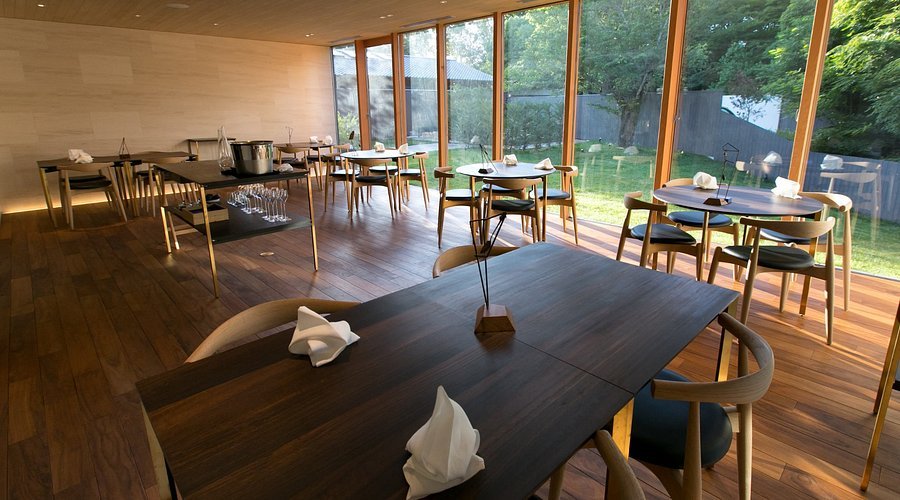
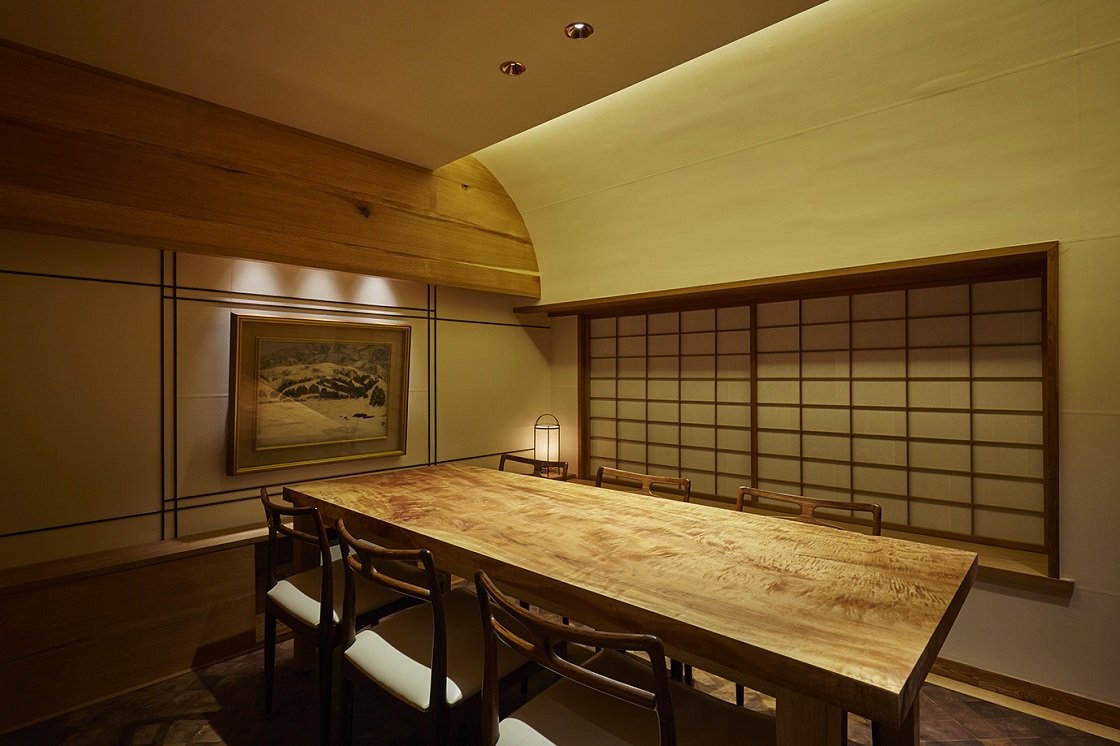
Oryori Hirooka holds a Michelin star in both 2024 and 2025, placing it among the small tier of recognised Japanese restaurants operating outside Nara's tourist core in the Gakuenminami residential district. The kitchen works within the oryori tradition, where seasonal kaiseki principles govern a multi-course format calibrated to the ingredients and aesthetic tempo of the moment. A Google rating of 4.3 from 26 reviews signals a still-emerging audience, making booking windows considerably more accessible than comparable starred counters in Kyoto or Osaka.
- 1 Michelin Star
At a glance
- Cuisine
- Modern Japanese Kaiseki
- Price
- $$$$
- Per person
- $150
- Hours
- Mon: 11 AM–3 PM, 5–10 PM; Tue: 11 AM–3 PM, 5–10 PM; Wed: 11 AM–3 PM, 5–10 PM; Thu: 11 AM–3 PM, 5–10 PM; Fri: 11 AM–3 PM, 5–10 PM; Sat: 11 AM–3 PM, 5–10 PM; Sun: 11 AM–3 PM, 5–10 PM
- Neighborhood
- Ganrinincho
- Rating
- 4.3 (26)
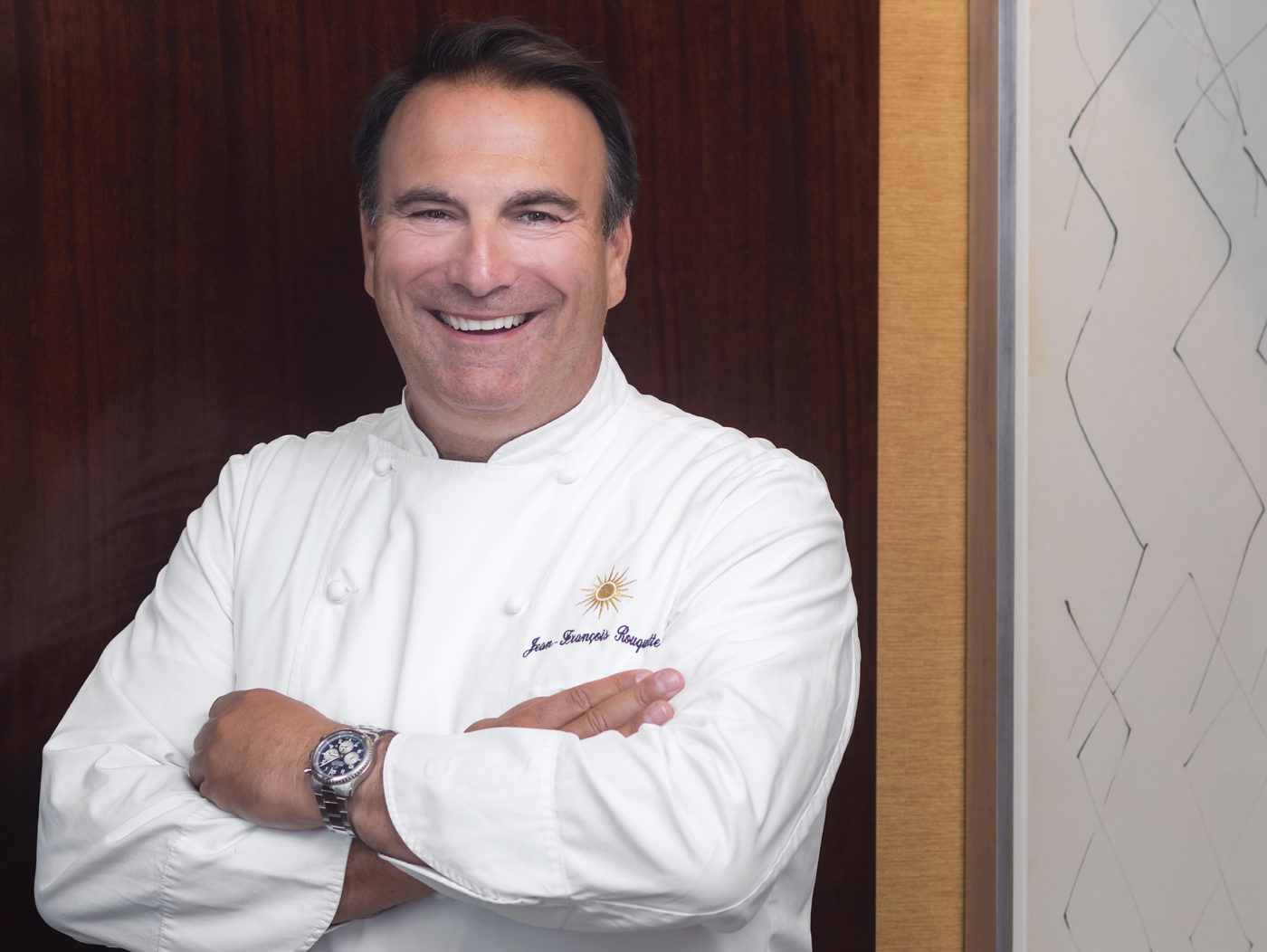
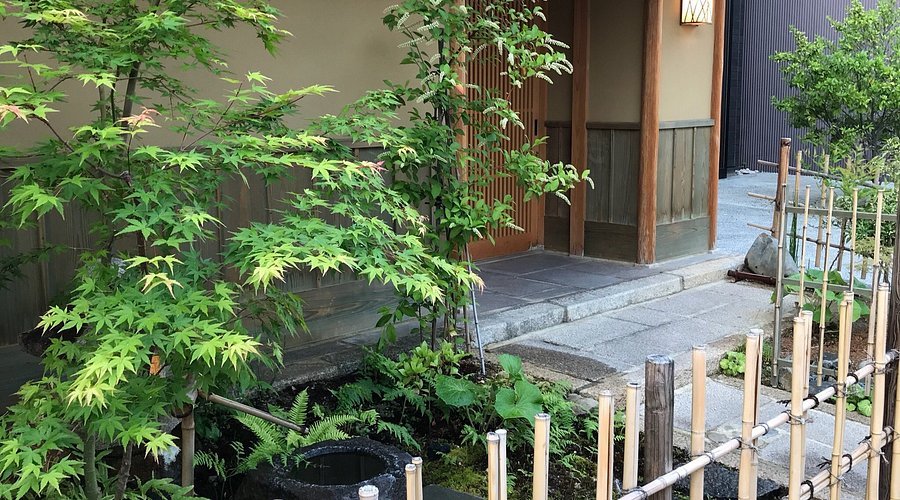
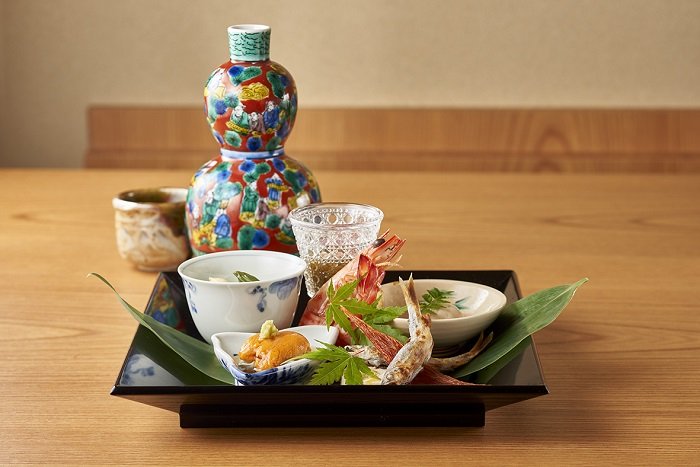
<h2>Kaiseki Outside the Temple Belt</h2><p>Nara's dining conversation tends to start and end in the historic centre, around the temples and the deer parks, where restaurants trade on proximity to UNESCO-listed scenery. The Gakuenminami neighbourhood, a residential district several kilometres south, operates on different logic. There are no lanterns framing the entrance here, no view of Todai-ji to sell the meal before it arrives. What draws a Michelin inspector to a quiet address on the city's southern edge is the food itself, which is the sharper credential.</p><p>Oryori Hirooka earned a Michelin star in 2024 and retained it in 2025, consecutive recognition that distinguishes it from one-cycle anomalies in the guide. In the context of Nara's starred dining, which remains a small category relative to Kyoto or Osaka, that sustained validation places it in the front tier of what the prefecture's dining scene currently has to offer. For context on how Nara's Japanese restaurants map against each other at this price point, see <a href="https://www.enprimeurclub.com/restaurants/nara">our full Nara restaurants guide</a>.</p><h2>The Oryori Tradition and What It Asks of a Kitchen</h2><p>The term oryori is not a brand — it is a framing. It signals cooking rooted in the ryotei tradition, where multi-course meals are built around seasonal logic, the precise sourcing of local ingredients, and an aesthetic discipline that treats restraint as a higher register than abundance. Unlike kaiseki in its most codified form, oryori allows somewhat more interpretive latitude, but the core obligation remains: every course should make a legible argument for why this ingredient belongs on the table at this moment in the year.</p><p>That seasonal contract runs through everything from the ceramics chosen for service to the temperature at which a broth is delivered. Japan's kaiseki and oryori restaurants are judged not just on flavour but on whether the cumulative experience of the meal reflects a coherent reading of the season. For venues in Nara's orbit, Yoshino's mountain produce, the prefecture's prized Yamato vegetables, and proximity to both the sea routes of Wakayama and the inland farming zones of the Yamato basin give a kitchen serious material to work with across all four quarters of the calendar.</p><p>Comparable multi-course Japanese formats at the ¥¥¥ tier in the Kansai region — venues like <a href="https://www.enprimeurclub.com/restaurants/gion-sasaki-kyoto-restaurant">Gion Sasaki in Kyoto</a> or <a href="https://www.enprimeurclub.com/restaurants/hajime-osaka-restaurant">HAJIME in Osaka</a> , operate in dramatically more competitive booking environments, partly because their cities draw far larger international visitor flows. Oryori Hirooka's Gakuenminami address means the room is more likely to hold local regulars than tourists, which tends to reflect in how a kitchen cooks: for an audience that will return, not an audience that needs to be impressed in a single sitting.</p><h2>What the Michelin Signal Means in Practice</h2><p>A single Michelin star in Japan carries a specific reading: a kitchen that merits a stop on a dedicated journey, not merely a neighbourhood convenience. Two consecutive years of that recognition at a residential-district address outside the premium hotel and heritage zones of central Nara suggests the inspector found consistency, not a single exceptional evening. The Google rating of 4.3 from 26 reviews is a modest sample, but it aligns with a restaurant building a reputation through word of mouth rather than tourism infrastructure.</p><p>That combination of Michelin credibility and low public profile is an access arbitrage for anyone paying attention. Reservations at similarly starred oryori and kaiseki formats in Kyoto routinely require three to six months of lead time and often demand Japanese-language booking channels. Oryori Hirooka's position, outside the main tourism corridors and without a high-volume digital footprint, likely means booking windows are considerably more forgiving , though confirmation of specific availability should be sought directly, as no booking method is held in our current database.</p><p>For the broader picture of where to stay while building a Nara dining itinerary around venues at this level, <a href="https://www.enprimeurclub.com/hotels/nara">our full Nara hotels guide</a> covers the options. Those arriving from Osaka or Kyoto should note that Nara is a direct day or overnight extension on the Kintetsu or JR lines, with the Gakuenminami area served by the Kintetsu Keihanna line. For evening dining, an overnight stay in Nara rather than a same-day return from Osaka makes considerably more sense, both logistically and in terms of the pace at which oryori meals are designed to be experienced.</p><h2>Nara's Multi-Course Tier: Where Hirooka Sits</h2><p>Nara's starred dining pool is small enough that each recognised venue occupies a distinct niche. <a href="https://www.enprimeurclub.com/restaurants/oryori-hanagaki-nara-restaurant">Oryori Hanagaki</a> and <a href="https://www.enprimeurclub.com/restaurants/nara-nikon-nara-restaurant">NARA NIKON</a> operate at the same ¥¥¥ tier and represent adjacent reference points for understanding how the city's Japanese dining sits relative to its Kansai neighbours. <a href="https://www.enprimeurclub.com/restaurants/tsukumo-nara-restaurant">Tsukumo</a>, <a href="https://www.enprimeurclub.com/restaurants/ajinokaze-nishimura-nara-restaurant">Ajinokaze Nishimura</a>, and <a href="https://www.enprimeurclub.com/restaurants/ajinotabibito-roman-nara-restaurant">Ajinotabibito Roman</a> round out the city's more considered dining options at comparable price points.</p><p>Hirooka's oryori designation places it in a specific sub-category: not the refined French-Japanese crossover that venues like <a href="https://www.enprimeurclub.com/restaurants/hajime-osaka-restaurant">HAJIME in Osaka</a> or the more technically driven formats represented by <a href="https://www.enprimeurclub.com/restaurants/harutaka-tokyo-restaurant">Harutaka in Tokyo</a> occupy, but the classical Japanese multi-course lineage that foregrounds seasonal integrity over technique demonstration. For diners whose primary interest is in how Japanese cuisine reads at the source of its own aesthetic traditions rather than through a contemporary reinterpretation lens, the oryori format is the more direct argument.</p><p>That said, the chef name in our database , Jean-François Rouquette , is notable. French-named practitioners working within Japanese multi-course formats represent a very specific cohort, typically trained extensively in Japan and operating within the tradition's discipline rather than importing European technique. Without further detail in the database on training lineage, it would be speculation to characterise the exact culinary position, but the sustained Michelin recognition within the oryori category is the operative signal: the guide's Japan inspectors do not award stars to approximations of the form.</p><h2>Planning a Visit</h2><p>Oryori Hirooka is located at 2 Chome-13-2 Gakuenminami, Nara, in a residential area south of the city's main tourist axis. Phone and website details are not held in our current database, so prospective diners should seek booking information through hotel concierge services or specialist reservation platforms that handle Japanese-language restaurant enquiries. The ¥¥¥ price range positions it in the mid-to-upper tier of Nara dining, below the stratospheric pricing of Tokyo's leading omakase counters but above casual or ramen-tier options.</p><p>Spring and autumn are the seasons when oryori kitchens are typically at their most expressive, with cherry blossom season in March to April and the maple foliage period of November providing the seasonal reference points that these menus are structured around. A visit calibrated to either season rewards the multi-course format most directly. For those extending a Kansai itinerary beyond the Osaka-Kyoto axis, Nara's dining scene at this level, anchored by addresses like Hirooka, provides a genuine counterpoint to the density of starred options in its larger neighbours.</p><p>Further reference points across Japan's premium Japanese dining tier can be found at <a href="https://www.enprimeurclub.com/restaurants/goh-fukuoka-restaurant">Goh in Fukuoka</a>, <a href="https://www.enprimeurclub.com/restaurants/1000-yokohama-restaurant">1000 in Yokohama</a>, <a href="https://www.enprimeurclub.com/restaurants/6-okinawa-restaurant">6 in Okinawa</a>, <a href="https://www.enprimeurclub.com/restaurants/myojaku-tokyo-restaurant">Myojaku in Tokyo</a>, and <a href="https://www.enprimeurclub.com/restaurants/azabu-kadowaki-tokyo-restaurant">Azabu Kadowaki in Tokyo</a> , each representing a different regional interpretation of the multi-course Japanese format. For a complete picture of what to do in Nara beyond the table, see <a href="https://www.enprimeurclub.com/bars/nara">our full Nara bars guide</a>, <a href="https://www.enprimeurclub.com/wineries/nara">our full Nara wineries guide</a>, and <a href="https://www.enprimeurclub.com/experiences/nara">our full Nara experiences guide</a>.</p><h3>What should I order at Oryori Hirooka?</h3><p>Oryori Hirooka operates a multi-course format in the <a href="https://www.enprimeurclub.com/restaurants/oryori-hanagaki-nara-restaurant">kaiseki and oryori tradition</a>, which means there is no à la carte selection , the kitchen sets the menu, typically guided by what is in season at the time of your visit. The correct approach is to trust the sequence entirely. The Michelin star recognition across both 2024 and 2025 validates the kitchen's ability to make those decisions well. Specific dish details are not held in our current database, and attempting to request alterations to a multi-course format of this kind is generally considered counter to the format's purpose. If dietary requirements need to be communicated, do so at the time of booking rather than on arrival.</p>
Know before you go
- Dress code
- smart_casual
- Reservations
- essential
- Parking
- on_site_lot
- Payment
- credit_card
- Groups
- Welcomed
Frequently asked
Where is Oryori Hirooka in Nara?
Oryori Hirooka is located at 2 Chome-13-2 Gakuenminami, Nara, 631-0034, Japan, Nara.
What's Oryori Hirooka known for in terms of accolades?
Oryori Hirooka has received recognition including: Michelin 1 Star (2025); Michelin 1 Star (2024).
What should I order at Oryori Hirooka?
There is no à la carte menu. Oryori Hirooka runs a set multi-course format in the kaiseki and oryori tradition, with the kitchen determining the sequence based on seasonal produce. The approach is standard for Michelin-recognised oryori restaurants in Japan, where the course itself is the offer. Given the ¥¥¥ price tier, plan for a full-length meal rather than a shorter tasting option.
What should I expect cuisine-wise at Oryori Hirooka?
Oryori Hirooka is categorized in our database as Japanese.
Address
2 Chome-13-2 Gakuenminami, Nara, 631-0034, Japan
Ganrinincho
How it compares
- Cuisine
- Japanese
- Price
- ¥¥¥
- Awards
- Michelin 1 Star (2025); Michelin 1 Star (2024)
- Notes
- This venue
- Cuisine
- Spanish, Innovative
- Price
- ¥¥¥
- Awards
- Michelin 2 Star
- Notes
- Spanish, Innovative, ¥¥¥
- Cuisine
- Kaiseki, Japanese
- Price
- ¥¥¥
- Awards
- Michelin 1 Star
- Notes
- Kaiseki, Japanese, ¥¥¥
- Cuisine
- Sushi, Japanese
- Price
- ¥¥¥
- Notes
- Sushi, Japanese, ¥¥¥
- Cuisine
- Okinawan, French
- Price
- ¥¥¥
- Notes
- Okinawan, French, ¥¥¥
- Cuisine
- Japanese
- Price
- ¥¥¥
- Awards
- Michelin 2 Star
- Notes
- Japanese, ¥¥¥