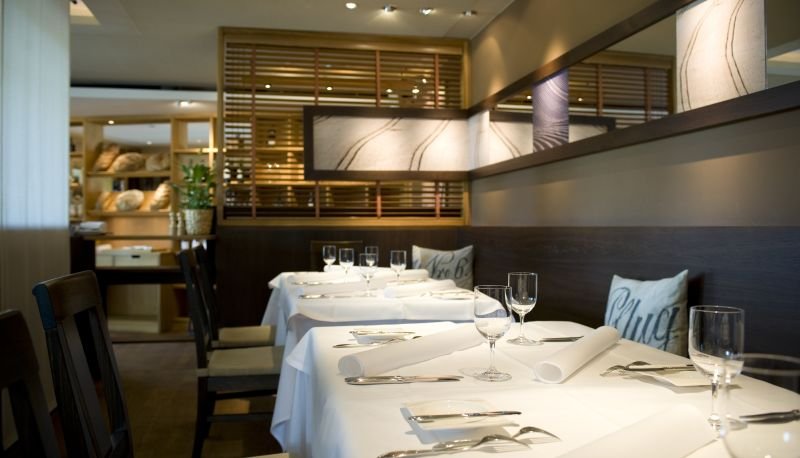
Restaurant
Rebers Pflug
Rebers Pflug holds a Michelin star in Schwäbisch Hall, Germany, delivering a farm-to-table kitchen under Chef Kyle Zachary that draws ingredients directly from the surrounding Hohenlohe agricultural region. Rated 4.8 across more than 500 Google reviews, it occupies a rare position in provincial Baden-Württemberg fine dining: rigorous sourcing discipline applied at Michelin level, without the urban price premium of Munich or Frankfurt comparisons.
- 1 Michelin Star
At a glance
- Cuisine
- Swabian Fine Dining
- Price
- $$$$
- Neighborhood
- Schwäbisch Hall
- Rating
- 4.8 (526)
<h2>Where Hohenlohe's Agricultural Identity Meets a Michelin Kitchen</h2><p>Schwäbisch Hall sits in the Hohenlohe plain, one of Baden-Württemberg's most quietly productive farming regions. The area has supplied German kitchens with Hohenloher Landschwein pork, spelt grain, and seasonal produce for generations, but the density of serious cooking talent here remains thin compared to Stuttgart or Munich. That gap makes Rebers Pflug, on Weckriedener Strasse, a more significant address than its provincial postcode might initially suggest. The restaurant holds a Michelin star — retained in both 2024 and 2025 — and operates a farm-to-table programme rooted in the specific agricultural character of the land immediately surrounding it.</p><p>The farm-to-table category has been stretched to cover everything from casual brunch spots with herb pots on the windowsill to fully sourced fine-dining programmes with direct producer relationships. At the Michelin level, what separates credible farm-to-table from the marketing version is usually traceability depth: whether the kitchen can account for provenance at the ingredient level, and whether the menu shifts in response to real seasonal availability rather than a fixed template dressed in seasonal language. Rebers Pflug's continued Michelin recognition across consecutive years signals that its sourcing programme clears that bar, placing it alongside German farm-to-table operators like <a href="https://www.enprimeurclub.com/restaurants/bok-restaurant-brust-oder-keule-munster-restaurant">BOK Restaurant Brust oder Keule in Münster</a> and <a href="https://www.enprimeurclub.com/restaurants/clostermanns-le-gourmet-niederkassel-restaurant">Clostermanns Le Gourmet in Niederkassel</a> in a smaller peer group that treats sourcing as a structural kitchen decision rather than a positioning tool.</p><h2>The Cultural Weight of Cooking in a Farming Region</h2><p>Baden-Württemberg's culinary identity has historically been shaped by its farming villages as much as its urban centres. The Hohenlohe region in particular carries a strong tradition of whole-animal butchery, grain-based cooking, and produce preservation that predates any contemporary farm-to-table movement. What a kitchen like the one at Rebers Pflug inherits from that tradition is not nostalgia but infrastructure: supplier networks, seasonal rhythms, and regional ingredient categories that a restaurant relocating from a city would have to spend years rebuilding from scratch.</p><p>Chef Kyle Zachary works within that context. Operating in a region with documented agricultural heritage means the kitchen's sourcing ambitions encounter ready supply rather than forced compromise. This is one reason why single-star farm-to-table kitchens in strong agricultural regions can offer a quality-to-price proposition that comparably decorated urban restaurants cannot easily match. Rebers Pflug's <strong>€€€</strong> positioning sits below the <strong>€€€€</strong> bracket occupied by comparison points such as <a href="https://www.enprimeurclub.com/restaurants/schwarzwaldstube-baiersbronn-restaurant">Schwarzwaldstube in Baiersbronn</a>, <a href="https://www.enprimeurclub.com/restaurants/aqua-wolfsburg-restaurant">Aqua in Wolfsburg</a>, or <a href="https://www.enprimeurclub.com/restaurants/vendome-bergisch-gladbach-restaurant">Vendôme in Bergisch Gladbach</a>, all of which carry three Michelin stars and operate at a substantially different price register.</p><p>For the reader comparing regional single-star options across Baden-Württemberg and Bavaria, the relevant peer set is closer to <a href="https://www.enprimeurclub.com/restaurants/jan-munich-restaurant">JAN in Munich</a> or <a href="https://www.enprimeurclub.com/restaurants/essenz-grassau-restaurant">ES:SENZ in Grassau</a> , kitchens where one-star rigour operates at a price point that doesn't require a full-occasion budget. Within Schwäbisch Hall itself, Rebers Pflug occupies the leading of a relatively short fine-dining list. <a href="https://www.enprimeurclub.com/restaurants/landhaus-zum-rossle-schwabisch-hall-restaurant">Landhaus Zum Rössle</a> and <a href="https://www.enprimeurclub.com/restaurants/eisenbahn-schwabisch-hall-restaurant">Eisenbahn</a> represent the town's broader dining range, but neither carries equivalent recognition at the European level.</p><h2>What a 4.8 Rating Across 511 Reviews Actually Indicates</h2><p>Google ratings at this volume tend to reflect consistency as much as peak performance. A score of 4.8 across 511 reviews , Rebers Pflug's current standing , is statistically harder to maintain than a 4.9 across 40 reviews, because it survives the full distribution of diners rather than a self-selected early-adopter group. For a restaurant in a secondary city, that volume also signals a meaningful mix of local repeat visitors and destination diners arriving with calibrated expectations from comparable kitchens elsewhere.</p><p>At the Michelin level, consistency is exactly what the inspectorate monitors across multiple visits. The dual 2024 and 2025 star awards confirm that the kitchen's standard doesn't fluctuate sharply between inspections. For a farm-to-table programme, that consistency is structurally harder to achieve than at a kitchen working from a static import list, because seasonal ingredient variability requires the kitchen to re-engineer dishes throughout the year rather than execute a fixed formula. The sustained rating across both public and Michelin channels suggests the kitchen handles that variability without a corresponding dip in execution quality.</p><h2>Placing Rebers Pflug in Germany's Wider Farm-to-Table Tier</h2><p>Germany's Michelin-starred farm-to-table kitchens have grown in number over the past decade, driven partly by broader European interest in provenance cooking and partly by a generation of chefs trained at higher-starred houses who have chosen to return to regional contexts rather than compete in saturated urban markets. The result is a dispersed but increasingly coherent tier of regionally rooted starred restaurants spread across the country's agricultural zones.</p><p>Within that tier, the quality differential between a kitchen working with proximate, in-season Hohenlohe produce and one assembling a farm-to-table menu from distributed national suppliers is considerable. The former can work with ingredients harvested within 24 to 48 hours; the latter is effectively running a premium sourcing programme with the same logistics delays as any metropolitan kitchen. Rebers Pflug's location in the Hohenlohe region gives it a structural proximity advantage that reinforces the category claim rather than relying on it as branding. Readers interested in how this approach scales upward in ambition and price point can compare against <a href="https://www.enprimeurclub.com/restaurants/restaurant-haerlin-hamburg-restaurant">Restaurant Haerlin in Hamburg</a>, <a href="https://www.enprimeurclub.com/restaurants/schanz-piesport-restaurant">Schanz in Piesport</a>, or <a href="https://www.enprimeurclub.com/restaurants/waldhotel-sonnora-dreis-restaurant">Waldhotel Sonnora in Dreis</a> , each operating at a higher star level and price bracket, but sharing the same foundational commitment to sourcing discipline.</p><p>For a creative counterpoint within German fine dining, <a href="https://www.enprimeurclub.com/restaurants/coda-dessert-dining-berlin-restaurant">CODA Dessert Dining in Berlin</a> demonstrates how a single-format concept can earn and retain Michelin recognition through conceptual rigour rather than classical sourcing depth. The two models represent distinct strategic choices within German starred cooking , and Rebers Pflug's farm-to-table orientation is the more geographically anchored of the two.</p><h2>Planning a Visit</h2><p>Rebers Pflug is located at Weckriedener Strasse 2 in Schwäbisch Hall, a town in northeastern Baden-Württemberg most easily reached by train from Stuttgart (approximately 75 minutes on regional services) or by car via the A6 motorway. Schwäbisch Hall is a pedestrian-friendly old town, and the restaurant's address places it within the broader town perimeter rather than in the dense medieval centre. Given the Michelin recognition and the 4.8 Google rating, advance booking is strongly advisable, particularly for weekend evenings and during the warmer months when the Hohenlohe region draws visitors for its landscape and market culture. The €€€ price range positions a full dinner meaningfully above a casual mid-market meal but well below the multi-hundred-euro tasting menu tariffs of three-star houses in Germany's larger cities.</p><p>Readers building a broader itinerary around Schwäbisch Hall can consult <a href="https://www.enprimeurclub.com/restaurants/schwabisch-hall">our full Schwäbisch Hall restaurants guide</a>, <a href="https://www.enprimeurclub.com/hotels/schwabisch-hall">our full Schwäbisch Hall hotels guide</a>, <a href="https://www.enprimeurclub.com/bars/schwabisch-hall">our full Schwäbisch Hall bars guide</a>, <a href="https://www.enprimeurclub.com/wineries/schwabisch-hall">our full Schwäbisch Hall wineries guide</a>, and <a href="https://www.enprimeurclub.com/experiences/schwabisch-hall">our full Schwäbisch Hall experiences guide</a> for the complete picture of what the town and surrounding region offers at a comparable level of curation.</p><h2>Frequently Asked Questions</h2><h3>Would Rebers Pflug be comfortable with kids?</h3><p>This depends on the age and temperament of the children rather than any specific policy. At the €€€ price point in a Michelin-starred setting in Schwäbisch Hall, the dining room will skew toward adults on special occasions and visiting food-focused travellers. Younger children accustomed to longer, multi-course meals in quieter settings may be fine; those who aren't at ease with a slower, more formal pace would likely find it difficult for all involved. For families travelling in the region, checking with the restaurant directly before booking is the practical route.</p><h3>How would you describe the vibe at Rebers Pflug?</h3><p>Given its Michelin-starred status, €€€ pricing, and location in a provincial Baden-Württemberg town rather than a major city, Rebers Pflug likely occupies a register familiar to diners who know good regional starred restaurants in Germany: focused and considered without the theatrical formality that can characterise higher-priced urban flagships. A 4.8 rating across 511 reviews suggests the room lands well for a broad range of diners , including those who arrive with high expectations from comparable kitchens elsewhere , which points to a service approach that reads as warm and professional rather than intimidatingly stiff.</p><h3>What should I order at Rebers Pflug?</h3><p>The kitchen operates a farm-to-table programme under Chef Kyle Zachary, with Michelin recognition in both 2024 and 2025, which means the menu will shift with seasonal availability. At farm-to-table kitchens operating at this level, the logical approach is to follow the kitchen's lead rather than arrive with a fixed agenda: the tasting menu format, where available, exists precisely to present the season's strongest ingredients in the order the kitchen intends. The Hohenlohe region's identity in German food culture is built substantially on its pork (particularly Hohenloher Landschwein), grain, and produce, so dishes built around those ingredients represent the clearest expression of what distinguishes this kitchen from a comparable one operating in a different region.</p>
Know before you go
- Dress code
- smart_casual
- Reservations
- recommended
- Parking
- on_site_lot
- Payment
- credit_card
- Outdoor seating
- Yes
- Groups
- Welcomed
Frequently asked
Would Rebers Pflug be comfortable with kids?
At the €€€ price point with consecutive Michelin stars in 2024 and 2025, Rebers Pflug is a setting oriented toward extended, attentive dining rather than casual family meals. Older children comfortable with a slower, more formal pace will manage better than young ones. It is worth calling ahead to confirm any specific arrangements before booking.
How would you describe the vibe at Rebers Pflug?
Rebers Pflug sits in provincial Schwäbisch Hall rather than a major city, which shapes its register: Michelin-starred in recognition but grounded in the agricultural character of the Hohenlohe plain. The €€€ pricing signals a considered, unhurried experience rather than a scene-driven urban room. Expect focused service and a kitchen-led atmosphere where Chef Kyle Zachary's farm-to-table sourcing drives the conversation.
Is Rebers Pflug award-winning?
Rebers Pflug has received recognition including: Michelin 1 Star (2025); Michelin 1 Star (2024).
What should I order at Rebers Pflug?
Chef Kyle Zachary runs a farm-to-table programme that shifts with the seasons and Hohenlohe's agricultural calendar, so the menu at any given visit will reflect what the surrounding region is producing. The Michelin jury awarded a star in both 2024 and 2025, which points to consistent execution across changing seasonal menus. Ordering the full progression rather than à la carte is the clearest way to follow the kitchen's intent.
Is Rebers Pflug focused on a specific cuisine style?
Rebers Pflug is categorized in our database as Farm to table.
Address
Weckriedener Str. 2, 74523 Schwäbisch Hall, Germany
Schwäbisch Hall
How it compares
- Cuisine
- Farm to table
- Awards
- Michelin 1 Star (2025); Michelin 1 Star (2024)
- Notes
- This venue
- Cuisine
- French, Classic French
- Awards
- Michelin 3 Star, World's 50 Best
- Notes
- French, Classic French, €€€€
- Cuisine
- Contemporary German, Italian/Japanese, Creative
- Awards
- Michelin 3 Star, World's 50 Best
- Notes
- Contemporary German, Italian/Japanese, Creative, €€€€
- Cuisine
- Creative
- Awards
- Michelin 2 Star, World's 50 Best
- Notes
- Creative, €€€€
- Cuisine
- Modern French, French Contemporary
- Awards
- Michelin 2 Star, World's 50 Best
- Notes
- Modern French, French Contemporary, €€€€
- Cuisine
- Modern European, Creative
- Awards
- Michelin 2 Star, World's 50 Best
- Notes
- Modern European, Creative, €€€€
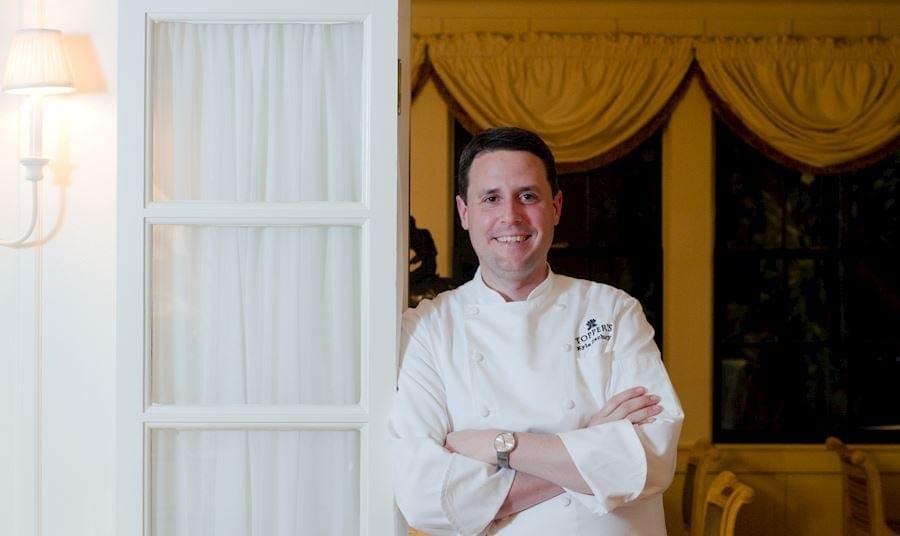
In residence
Similar places
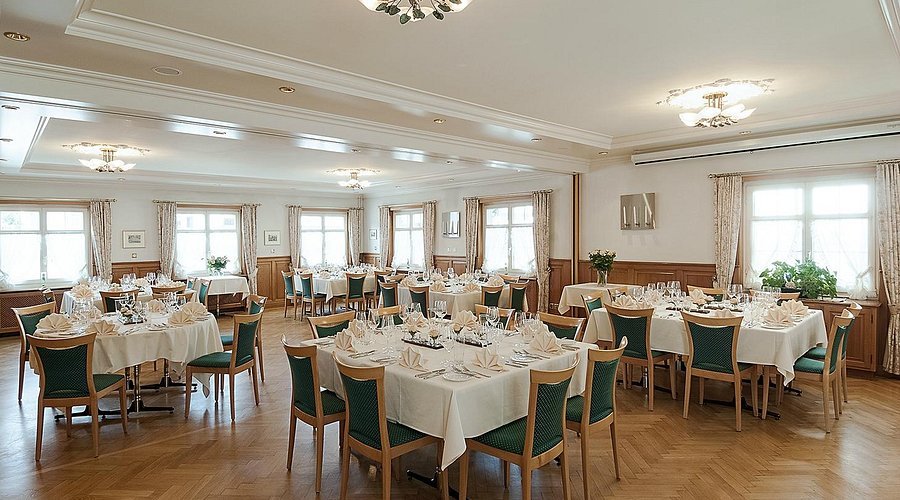
Classic-Modern German Fine Dining
Eisenbahn
Schwäbisch Hall, Germany
★
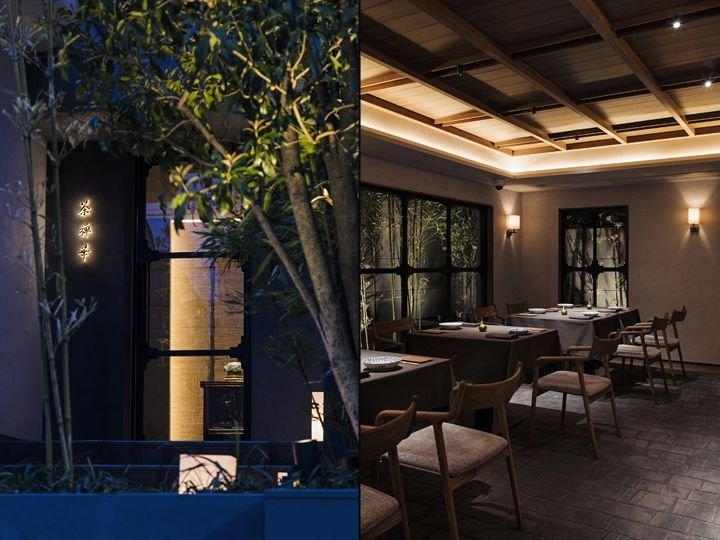
Modern Chinese Fine Dining
Sazenka
Tokyo, Japan
★★★ · 50 Best
Sézanne
Tokyo, Japan
★★★ · 50 Best
Japanese-influenced Californian Kaiseki
Single Thread Farm
Healdsburg, United States
★★★ · 50 Best
French Seafood Fine Dining
Le Bernardin
New York City, United States
★★★ · 50 Best
Modern Korean Tasting Menu
Atomix
New York City, United States
★★ · 50 Best