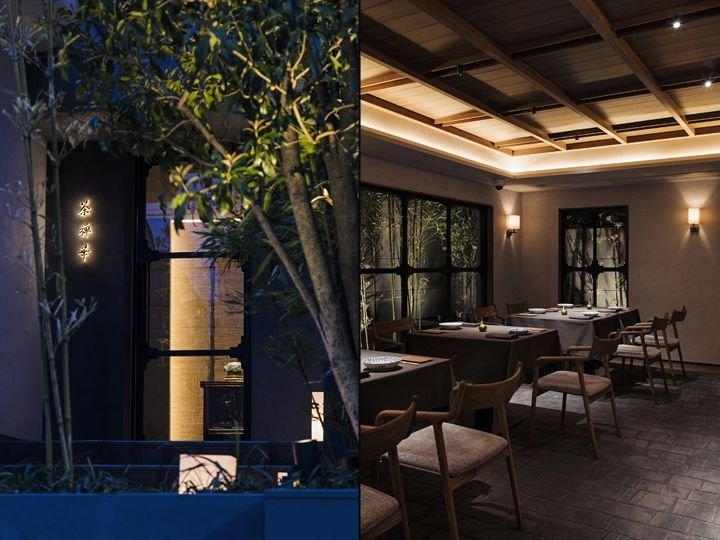
Restaurant
Sazenka
Opened in February 2017 in Minamiazabu, Sazenka sits at the intersection of Chinese technique and Japanese seasonal sensibility, earning Tabelog Gold every year since 2019 and a place on the World's 50 Best Restaurants list. Chef Tomoya Kawada's 28-seat house restaurant operates on the principle of wakon-kansai — Japanese spirit expressed through Chinese culinary learning — with dinner averaging JPY 50,000–59,999.
- 3 Michelin Stars
- World's 50 Best · #21
At a glance
- Cuisine
- Modern Chinese Fine Dining
- Price
- $$$$
- Per person
- $450
- Hours
- Mon: Closed; Tue: 4–11 PM; Wed: 4–11 PM; Thu: 4–11 PM; Fri: 4–11 PM; Sat: 4–11 PM; Sun: Closed
- Neighborhood
- Minami-Azabu
- Rating
- 4.6 (310)
<h2>Where Chinese Technique Meets the Japanese Table</h2><p>Tokyo's premium Chinese restaurant tier occupies a curious position in the city's dining hierarchy. While kaiseki and omakase sushi attract the loudest international attention, a smaller cohort of chefs has spent decades re-examining what Chinese cuisine can mean when filtered through the discipline, seasonality, and material restraint that define Japan's indigenous cooking culture. Sazenka, which opened in Minamiazabu on 10 February 2017, sits at the concentrated end of that cohort: a 28-seat house restaurant that has earned Tabelog Gold consecutively from 2019 through 2026, a 4.59 score on Tabelog, a position of #71 on the World's 50 Best Restaurants list in 2025, and 99 points from La Liste in 2026. That accumulation of recognition across different evaluation systems — peer-voted, critic-scored, and algorithm-weighted — is unusual for any restaurant in any city, and for a Chinese address in Tokyo it marks a genuinely distinct tier.</p><p>The framework Chef Tomoya Kawada applies is named in the restaurant itself: Sazenka translates loosely as tea-Zen-Chinese, a deliberate triangulation of the three reference points that shape how the kitchen thinks about a meal. The broader culinary principle is wakon-kansai, a classical Japanese phrase meaning Japanese spirit imbued with foreign learning. Applied at this address, it means Chinese fire and technique , the wok, the Jinhua ham, the Sichuan stir-fry , working in concert with Japanese seasonal logic, ingredient sourcing, and the kind of compositional quietness that characterises the leading kaiseki. The result sits outside the standard Chinese restaurant taxonomy.</p><h2>The Architecture of a Multi-Course Shared Meal</h2><p>Premium Chinese dining in mainland China and Hong Kong has long operated through the choreography of the banquet table: courses arriving in a deliberate sequence, proteins and vegetables alternating with soup, the meal structured as much for the group as for the individual. Tokyo's leading Chinese addresses have absorbed that tradition while bending it toward the tasting-menu format that the city's fine-dining audience expects. At Sazenka, the multi-course structure is the delivery vehicle for a set of techniques that span both traditions. Green pheasant soup is fortified with Jinhua ham, producing a stock whose depth references both the long-simmered Chinese master broths and the clarity of Japanese dashi. Pigeon breast is smoked over straw and finished over charcoal in a manner drawn from Japanese cooking, while the thigh is fried skin-side down using Chinese method , the two techniques applied to the same bird across two cuts is a precise demonstration of the wakon-kansai logic in physical form.</p><p>This kind of dual-technique approach is what separates the upper bracket of Tokyo's high-end Chinese scene from restaurants that simply use Japanese ingredients as substitutions in otherwise unchanged Chinese recipes. At the banquet-table level, it changes the rhythm of a meal: courses carry a different internal logic, the transitions between them follow a different pattern, and the pairing question , whether to drink wine, sake, or tea alongside a given dish , becomes genuinely interesting rather than formulaic. Sazenka addresses that question with a sommelier on staff and a drinks program that spans wine and nihonshu, with the kitchen's fragrance requests communicated through the dress code policy (no perfume or cologne, so that the aromatic character of the food remains undiluted).</p><p>The 28 seats are divided between a 14-seat main dining area and four private rooms: two on the second floor accommodating parties of four and six, and one on the first floor for four. The private rooms carry a 15% service charge against the standard 10%, and they cannot be combined for exclusive venue hire. For a Chinese meal designed around communal courses and shared plates, the room configuration matters: the private rooms on the second floor allow a table of six to experience the full banquet-table choreography in a contained setting, which is a different proposition from the more theatre-facing energy of the main dining room.</p><h2>Minamiazabu and the Question of Location</h2><p>The restaurant sits in Minamiazabu, Minato City, a residential neighbourhood between Hiroo and Azabu-Juban that lacks the commercial density of Ginza or the visibility of Roppongi. That is characteristic of the house-restaurant format, which trades foot traffic and signage for discretion and concentration. The closest station is Hiroo on the Hibiya Line, a 12-minute walk away; Azabu-Juban on the Oedo Line and Shirokane-Takanawa on the Namboku Line are each 14 minutes on foot. A taxi from Ebisu or Roppongi runs approximately seven minutes. There is no parking.</p><p>Within Tokyo's premium dining geography, the Minato City cluster , which includes Minamiazabu, Hiroo, and Azabu-Juban , functions as a counterweight to the Ginza concentration. The neighbourhood's relative quiet suits a restaurant whose dress code asks guests to consider their fragrance choices and whose concept is anchored in tea and Zen as much as in cuisine.</p><h2>How Sazenka Sits Against Its Peer Set</h2><p>At a dinner average of JPY 50,000–59,999 with a 10% service charge on leading, Sazenka prices at the upper end of Tokyo's non-French tasting-menu tier, roughly in line with top-bracket kaiseki addresses and the most credentialed sushi counters. The comparison is useful because the competitive set for this restaurant is not other Chinese addresses , it is the full range of Tokyo's multi-course, reservation-dependent, award-dense fine dining. Alongside peers like RyuGin (kaiseki, ¥¥¥¥) or L'Effervescence (French, ¥¥¥¥), Sazenka occupies the same price band but a genuinely different culinary space.</p><table><thead><tr><th>Venue</th><th>Cuisine</th><th>Price tier</th><th>Tabelog score</th><th>Dinner avg (JPY)</th></tr></thead><tbody><tr><td>Sazenka</td><td>Chinese (wakon-kansai)</td><td>¥¥¥¥</td><td>4.59</td><td>50,000–59,999</td></tr><tr><td>RyuGin</td><td>Kaiseki / Japanese</td><td>¥¥¥¥</td><td>, </td><td>comparable tier</td></tr><tr><td>Harutaka</td><td>Sushi</td><td>¥¥¥¥</td><td>, </td><td>comparable tier</td></tr><tr><td>L'Effervescence</td><td>French</td><td>¥¥¥¥</td><td>, </td><td>comparable tier</td></tr></tbody></table><p>Within the Chinese category specifically, the Tokyo addresses that operate at a comparable level of ambition , including <a href="https://www.enprimeurclub.com/restaurants/chugoku-hanten-fureika-tokyo-restaurant">Chugoku Hanten Fureika</a>, <a href="https://www.enprimeurclub.com/restaurants/chugoku-hanten-kohakukyu-amber-palace-tokyo-restaurant">Chugoku Hanten Kohakukyu (Amber Palace)</a>, <a href="https://www.enprimeurclub.com/restaurants/ippei-hanten-tokyo-restaurant">Ippei Hanten</a>, <a href="https://www.enprimeurclub.com/restaurants/koshikiryori-koki-tokyo-restaurant">Koshikiryori Koki</a>, and <a href="https://www.enprimeurclub.com/restaurants/itsuka-tokyo-restaurant">itsuka</a> , each take a different position on the spectrum between classical Chinese form and Japanese influence. Sazenka's wakon-kansai framing places it at the most philosophically integrated end of that spectrum, which also explains why its award profile reads across evaluation systems designed for Japanese as well as Chinese fine dining. For international comparison, the same category of culturally-translated Chinese fine dining appears in different configurations at <a href="https://www.enprimeurclub.com/restaurants/restaurant-tim-raue-berlin-restaurant">Restaurant Tim Raue in Berlin</a> and <a href="https://www.enprimeurclub.com/restaurants/mister-jiu-s-san-francisco-restaurant">Mister Jiu's in San Francisco</a>, though neither operates on the wakon-kansai premise.</p><p>The Opinionated About Dining ranking for Sazenka has moved from #16 in Japan in 2023 to #38 in 2025, a shift that reflects the volatility of peer-voted systems rather than a decline in the restaurant's standing across other metrics , its Tabelog score held at 4.54 in 2025 and its 50 Best position improved from #93 in 2024 to #71 in 2025. Among Japan's broader fine-dining geography, the restaurant belongs to the same conversation as <a href="https://www.enprimeurclub.com/restaurants/hajime-osaka-restaurant">HAJIME in Osaka</a>, <a href="https://www.enprimeurclub.com/restaurants/gion-sasaki-kyoto-restaurant">Gion Sasaki in Kyoto</a>, <a href="https://www.enprimeurclub.com/restaurants/akordu-nara-restaurant">akordu in Nara</a>, <a href="https://www.enprimeurclub.com/restaurants/goh-fukuoka-restaurant">Goh in Fukuoka</a>, <a href="https://www.enprimeurclub.com/restaurants/1000-yokohama-restaurant">1000 in Yokohama</a>, and <a href="https://www.enprimeurclub.com/restaurants/6-okinawa-restaurant">6 in Okinawa</a> , restaurants that have each found a position on the international ranking circuit by doing something specific and hard to replicate.</p><h2>Planning a Visit</h2><p>Reservations open on the first of each month for the following month. Online booking through the official website (sazenka.com) is available 24 hours a day and is the recommended channel; phone availability during service hours is limited. The restaurant operates Tuesday through Saturday from 16:00, with last orders at 19:30 and closing at 23:00. It is closed Sunday and Monday, with additional irregular closures. Major credit cards are accepted (Visa, Mastercard, JCB, Amex, Diners); electronic money and QR code payments are not. English menus are available. The dress code asks that men avoid shorts and sandals, and that all guests refrain from wearing perfume or cologne during the meal.</p><p>For more on where Sazenka sits within Tokyo's dining scene, see <a href="https://www.enprimeurclub.com/restaurants/tokyo">our full Tokyo restaurants guide</a>. For stays in Minato City and nearby neighbourhoods, <a href="https://www.enprimeurclub.com/hotels/tokyo">our full Tokyo hotels guide</a> covers the options by area. <a href="https://www.enprimeurclub.com/bars/tokyo">Our full Tokyo bars guide</a>, <a href="https://www.enprimeurclub.com/wineries/tokyo">Tokyo wineries guide</a>, and <a href="https://www.enprimeurclub.com/experiences/tokyo">Tokyo experiences guide</a> provide context for building a full itinerary around the city.</p><h2>Frequently Asked Questions</h2><h3>What do regulars order at Sazenka?</h3><p>Sazenka operates on a set tasting-menu format rather than à la carte ordering, so the question of what regulars choose is better understood through the courses that have defined the restaurant's <a href="https://www.enprimeurclub.com/restaurants/chugoku-hanten-fureika-tokyo-restaurant">position within Tokyo's Chinese fine-dining tier</a>. The green pheasant soup enriched with Jinhua ham and the two-technique pigeon preparation , straw-smoked breast alongside skin-fried thigh , are the dishes most frequently cited in critical coverage as demonstrations of the wakon-kansai approach. The <a href="https://www.enprimeurclub.com/restaurants/koshikiryori-koki-tokyo-restaurant">seasonal dimension</a> of the menu means the specific courses change with the Japanese agricultural calendar, with spring-roll fillings and Sichuan preparations drawing on whatever Japanese produce is at its peak. The drinks program, which includes wine, sake, and tea pairings with a sommelier on hand, is part of the deliberate experience rather than a secondary consideration.</p>
Know before you go
- Dress code
- smart_casual
- Reservations
- essential
- Payment
- credit_card
Frequently asked
What are the opening hours for Sazenka?
Hours at Sazenka: Hours: Monday Closed Tuesday 4–11 pm Wednesday 4–11 pm Thursday 4–11 pm Friday 4–11 pm Saturday 4–11 pm Sunday Closed.
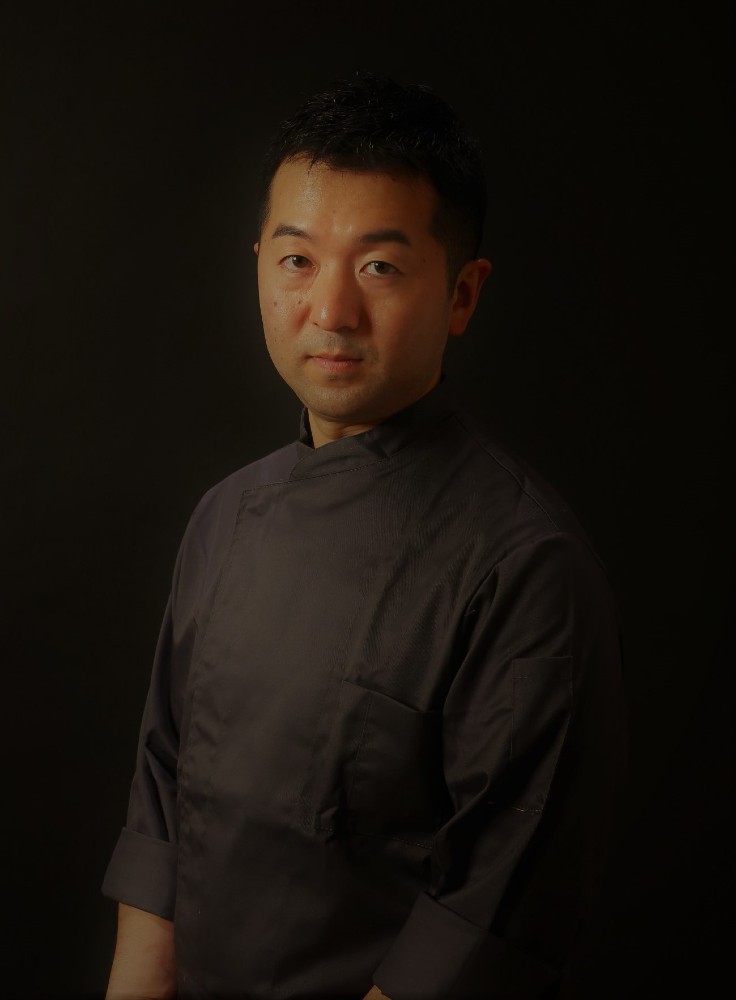
Who is the chef at Sazenka?
The chef associated with Sazenka is Tomoya Kawada.
What do regulars order at Sazenka?
Sazenka operates on a set tasting-menu format rather than à la carte, so the experience is defined by chef Tomoya Kawada's current seasonal course. The menu applies his wakon-kansai approach: Chinese techniques applied to Japanese seasonal ingredients, with dishes built around the 'water' of Japanese cooking and the 'fire' of Chinese method. Dinner averages JPY 50,000–59,999 per person before the 10% service charge. Wine and sake pairings are available through an on-site sommelier.
What should I expect cuisine-wise at Sazenka?
Sazenka is categorized in our database as Chinese.
Address
4 Chome-7-5 Minamiazabu, Minato City, Tokyo 106-0047, Japan
Minami-Azabu
How it compares
In residence
Similar places
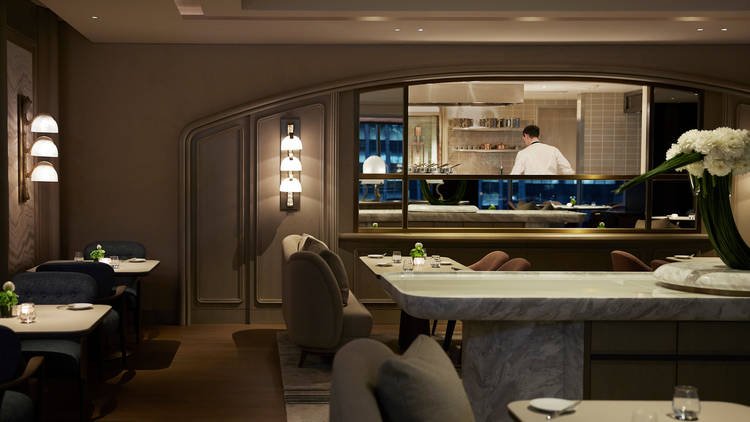
Sézanne
Tokyo, Japan
★★★ · 50 Best
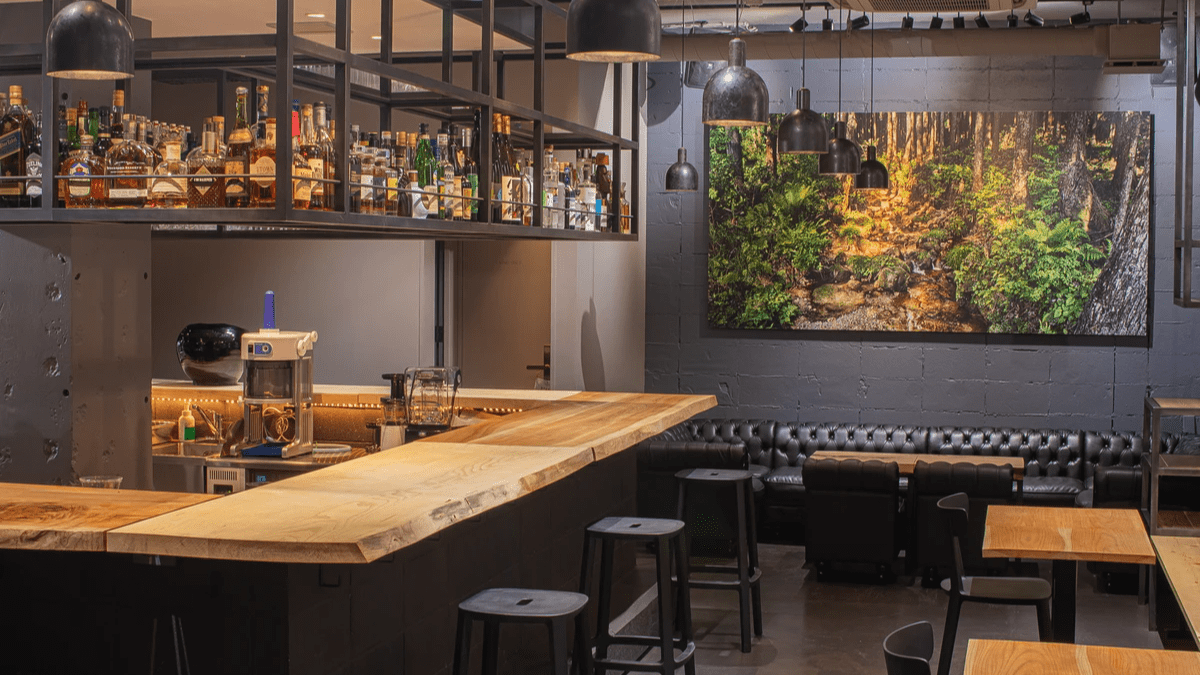
Modern Japanese Satoyama Fine Dining
Narisawa
Tokyo, Japan
★★ · 50 Best
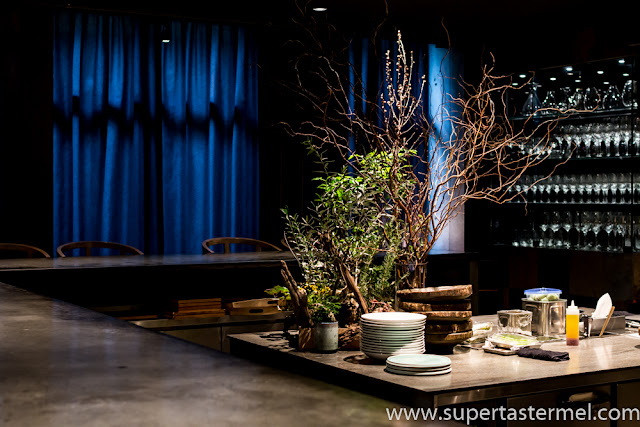
Modern French-Japanese Plant-Based Fine Dining
Florilège
Tokyo, Japan
★★ · 50 Best
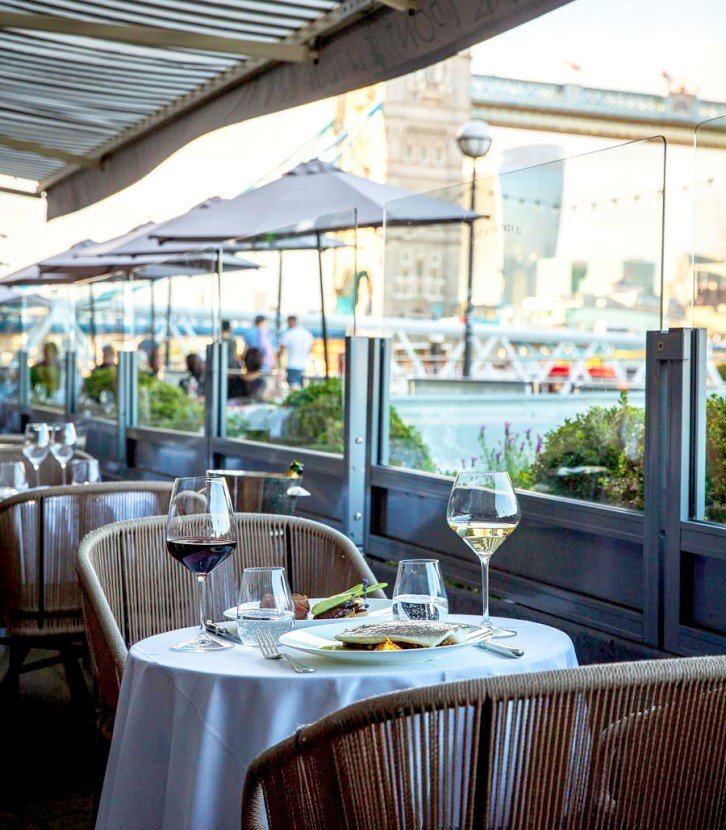
Modern French Fine Dining
Quintessence
Tokyo, Japan
★★★
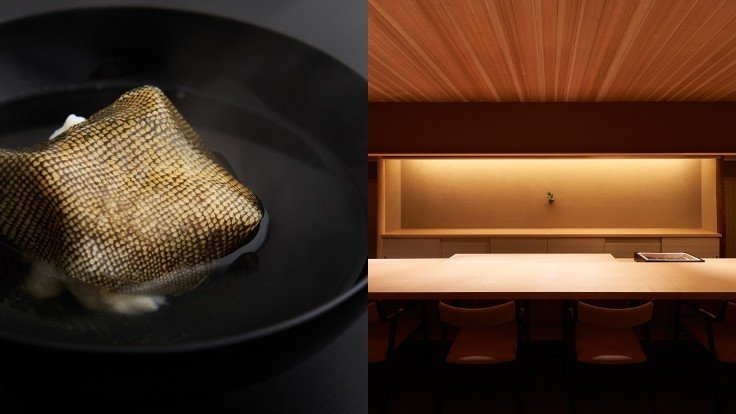
Modern Minimalist Kaiseki
Myojaku
Tokyo, Japan
★★★ · 50 Best
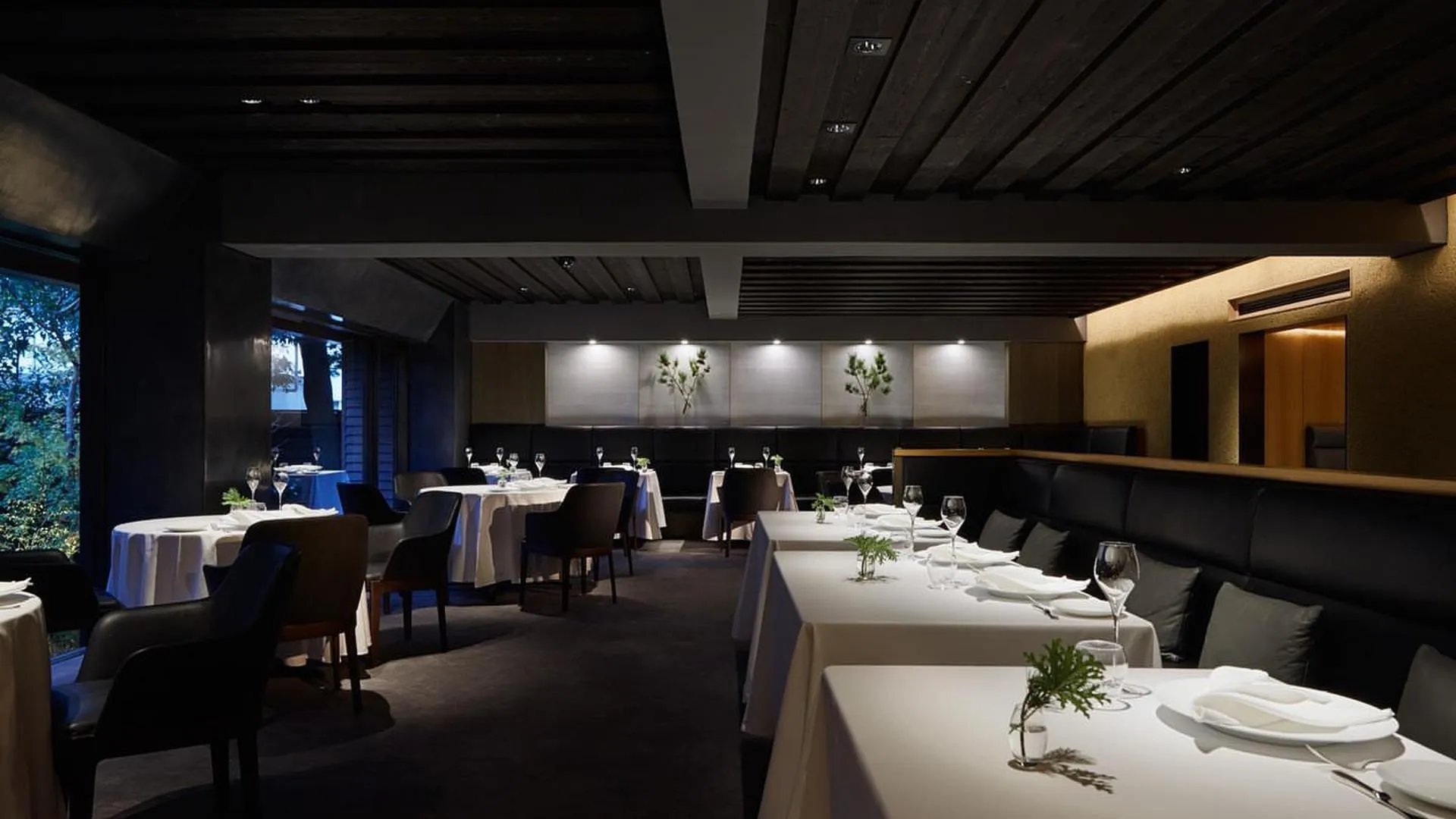
Modern French with Japanese Influences
L'Effervescence
Tokyo, Japan
★★★ · 50 Best