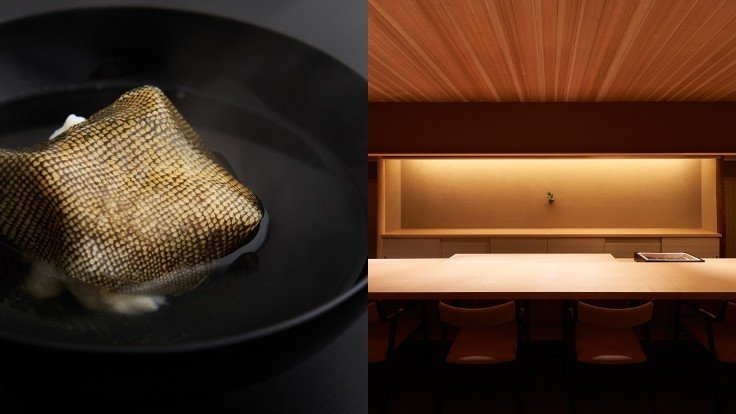
Restaurant
Myojaku
Opened in April 2022 in Nishiazabu, Myojaku holds two Michelin stars, a Tabelog Silver Award (2026, score 4.47), and a place in Japan's OAD Top 20. Chef Hidetoshi Nakamura works a radically minimalist kaiseki format that sets aside conventional dashi in favour of pristine water as the primary seasoning medium. Twenty-five seats across counter, bar, and two private rooms. Dinner runs JPY 50,000–59,999.
- 3 Michelin Stars
- World's 50 Best · #33
At a glance
- Cuisine
- Modern Minimalist Kaiseki
- Price
- $$$$
- Per person
- $325
- Neighborhood
- Nishi-Azabu
- Rating
- 4.8 (115)
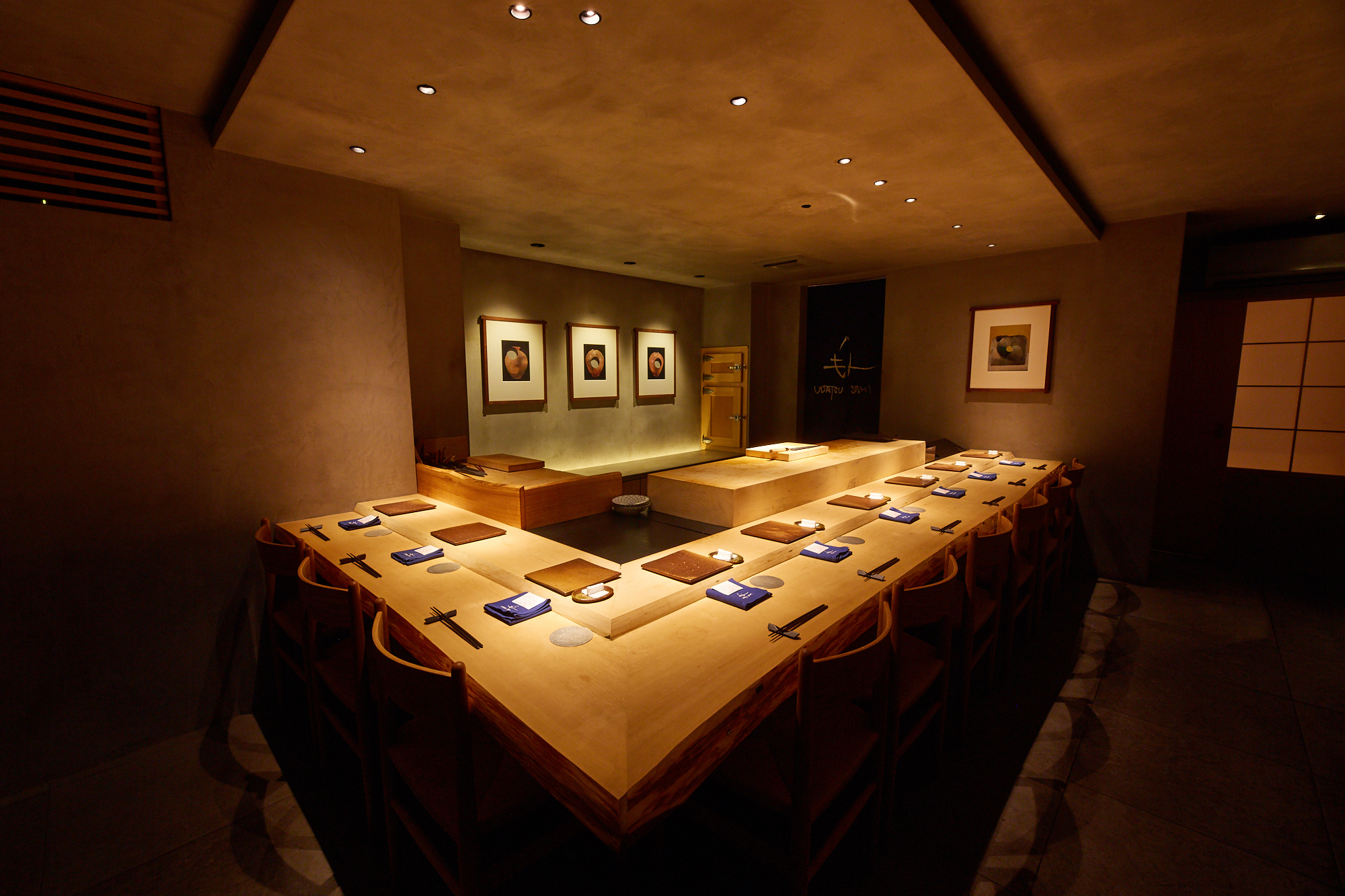
<h2>A New Kind of Restraint in Tokyo's Japanese Dining Scene</h2><p>Tokyo's premium Japanese cuisine tier has never been static, but the period since 2020 has produced a distinct subset of restaurants that strip kaiseki conventions down to something closer to their philosophical root. Where traditional honzen and kaiseki formats were already exercises in restraint, a smaller cohort has gone further still, removing the foundational flavour scaffolding — dashi, kombu, katsuobushi — and replacing it with water as the central seasoning element. Myojaku, which opened in Nishiazabu on 18 April 2022, is the clearest expression of that tendency in the city.</p><p>The restaurant's trajectory since opening has been swift by any measure. Within two years it held two Michelin stars, a Tabelog Silver Award (score 4.47 as of 2026), and selection to the Tabelog Japanese Cuisine Tokyo "Tabelog 100" in both 2023 and 2025. By 2025, the Opinionated About Dining ranking placed it at number 20 among all Japanese restaurants nationwide, up from number 118 in 2023 , a compression of peer-set distance that few restaurants at this price point achieve in under three years. La Liste (2026) scores it at 79 points, and Asia's 50 Best listed it at number 45 in 2025. That accumulation of recognition across four independent ranking systems, all within a three-year window of opening, positions Myojaku inside a very small tier of post-2020 openings that immediately entered the leading bracket of Tokyo dining rather than working toward it.</p><h2>Chef Hidetoshi Nakamura and the Water Philosophy</h2><p>Within the kaiseki tradition, the evolution of a chef's relationship with dashi is often how you read their ambition and their angle. The conventional high-end path runs through mastery of stock construction , the clarity of a first-draw kombu dashi, the timing of the bonito. Hidetoshi Nakamura has departed from that path in a direction that is genuinely unusual in modern Japanese fine dining: he uses submarine spring water drawn from deep beneath the ocean floor as his primary seasoning medium, treating water's purity as a flavour element in itself rather than a neutral carrier for other ingredients. The effect, described by tasters across the La Liste and We're Smart Green Guide commentary, is one of surprising balance: the absence of conventional umami scaffolding does not produce flatness but a different kind of coherence, one where the ingredient's own character has nowhere to hide.</p><p>The approach is also plant-forward to a degree that is uncommon at this price point in Tokyo. Produce is seasonal and locally sourced within the Edo tradition, with fish , given particular emphasis in the kitchen's stated sourcing priorities , appearing alongside what is by most accounts a programme weighted toward vegetables and grains. The format is chef's choice throughout, meaning the menu is set by the kitchen rather than selected from a card. Allergy declarations are handled at reservation, and the kitchen will decline bookings where the scope of restrictions would prevent the set programme from working. That policy is not unusual at this level; it is the norm at two-star kaiseki counters in Tokyo, where the structured progression of the meal is the point.</p><p>To understand where Nakamura's kitchen sits in relation to its immediate peers, it is worth mapping the neighbourhood's high-end Japanese dining options. <a href="https://www.enprimeurclub.com/restaurants/azabu-kadowaki-tokyo-restaurant">Azabu Kadowaki</a> operates with a kaiseki structure that leans into Kyoto-style refinement while remaining firmly within the dashi-led tradition. <a href="https://www.enprimeurclub.com/restaurants/jingumae-higuchi-tokyo-restaurant">Jingumae Higuchi</a> takes a different angle again, shaped by its Jingumae address and a programme that reads more contemporary. Within central Tokyo's wider Japanese cuisine tier, <a href="https://www.enprimeurclub.com/restaurants/kagurazaka-ishikawa-tokyo-restaurant">Kagurazaka Ishikawa</a> and <a href="https://www.enprimeurclub.com/restaurants/ginza-fukuju-tokyo-restaurant">Ginza Fukuju</a> both operate at comparable price points with Michelin recognition, as does <a href="https://www.enprimeurclub.com/restaurants/kioicho-fukudaya-tokyo-restaurant">Kioicho Fukudaya</a>, which represents the older, more ceremonially formal end of Tokyo kaiseki. Myojaku's distinguishing feature within that set is not price or format length but the elimination of dashi as an organising flavour principle , a choice that places it in a different conversation from any of those addresses.</p><p>For readers who want context beyond Tokyo, the minimalist kaiseki tendency finds partial parallels at <a href="https://www.enprimeurclub.com/restaurants/gion-sasaki-kyoto-restaurant">Gion Sasaki in Kyoto</a> and in the product-led intensity of <a href="https://www.enprimeurclub.com/restaurants/hajime-osaka-restaurant">HAJIME in Osaka</a>, though both operate with distinct philosophical frameworks. At a more structural level, <a href="https://www.enprimeurclub.com/restaurants/isshisoden-nakamura-kyoto-restaurant">Isshisoden Nakamura in Kyoto</a> and <a href="https://www.enprimeurclub.com/restaurants/kashiwaya-osaka-senriyama-osaka-restaurant">Kashiwaya Osaka Senriyama</a> represent the traditional high-ceremony end of the tradition that Myojaku is consciously departing from. Further afield, <a href="https://www.enprimeurclub.com/restaurants/akordu-nara-restaurant">akordu in Nara</a>, <a href="https://www.enprimeurclub.com/restaurants/goh-fukuoka-restaurant">Goh in Fukuoka</a>, <a href="https://www.enprimeurclub.com/restaurants/1000-yokohama-restaurant">1000 in Yokohama</a>, and <a href="https://www.enprimeurclub.com/restaurants/6-okinawa-restaurant">6 in Okinawa</a> each offer a different regional inflection on Japanese fine dining at comparable seriousness of intent.</p><h2>The Room and the Format</h2><p>The basement location in Nishiazabu Hills places Myojaku in a neighbourhood that sits between Roppongi's density and the quieter residential blocks of Minami-Azabu. It is eight minutes on foot from Roppongi Station on the Hibiya Line, ten minutes from the Oedo Line exit. The address is not designed to be immediately visible from the street , the Tabelog location descriptor uses the term "hideout," which accurately reflects the below-street character of the room.</p><p>The total seat count is 25, distributed across an eight-seat counter, a seven-seat bar counter, and two private rooms (one seating four, one seating six). That split across formats is worth reading carefully. At the main counter, the eight-seat format is the classic kaiseki interaction model: close proximity to the kitchen, direct engagement with the progression of the meal, no tolerance for late arrivals given the structured nature of the course. The venue is explicit that latecomers to counter seats risk missing courses or being moved to an alternate seating position. Groups wanting a less scrutinised format can book either private room; the six-seat room is the larger of the two and appropriate for a business dinner or a celebratory table. Maximum party size across all formats is nine.</p><p>Drinks programme is one of the most specific aspects of the room. The kitchen carries sake, shochu, and wine, with the sourcing described as particular in each category , the kind of language that at this price point usually means a narrow but carefully selected list rather than a broad range. A sommelier is available, which at a restaurant with no dashi and a water-forward flavour framework is a pairing challenge that is genuinely interesting to think through. BYO is also accepted, which is uncommon at this tier in Tokyo and worth noting for guests who want to bring a specific bottle. The no-perfume policy is stated clearly and applied at the owner's discretion on entry.</p><h2>Know Before You Go</h2><ul><li><strong>Address:</strong> B1F, 3-2-34 Nishiazabu, Minato-ku, Tokyo 106-0031</li><li><strong>Getting there:</strong> 8 min walk from Roppongi Station (Tokyo Metro Hibiya Line); 10 min walk from Roppongi Station (Toei Oedo Line); 5 min walk from Roppongi Hills</li><li><strong>Hours:</strong> Monday–Saturday and public holidays, 17:00–22:30; closed Sundays</li><li><strong>Price:</strong> JPY 50,000–59,999 per person at dinner (based on Tabelog review data); service charge 10% additional</li><li><strong>Format:</strong> Chef's choice course only; no à la carte</li><li><strong>Reservations:</strong> Reservation only; contact via Tabelog or the restaurant's website</li><li><strong>Payment:</strong> Credit cards accepted (Visa, Mastercard, JCB, Amex, Diners); electronic money and QR code payments not accepted</li><li><strong>Dress code:</strong> Smart casual; no shorts, tank tops, or sports sandals</li><li><strong>Private rooms:</strong> Two rooms available (4-person and 6-person capacity)</li><li><strong>Allergy policy:</strong> Declare at reservation; extensive allergies or aversions may result in declined booking</li><li><strong>Children:</strong> Middle school age and above only; private rooms only; must order a full adult course</li><li><strong>BYO:</strong> Permitted; sommelier available</li><li><strong>Parking:</strong> Not available on site; coin parking nearby</li></ul><h2>Frequently Asked Questions</h2><h3>Would Myojaku be comfortable with kids?</h3><p>At JPY 50,000–59,999 per head with a fixed chef's course and a no-dashi flavour framework, this is not a restaurant calibrated for younger children; the policy confirms as much, restricting under-eighteens to private rooms and requiring a full adult-priced order.</p><h3>What's the vibe at Myojaku?</h3><p>Tokyo's two-star kaiseki tier generally runs between ceremonially formal and composed-contemporary, and Myojaku sits toward the latter. The basement room in Nishiazabu is described as stylish and relaxed rather than stiff; the 25-seat format across counter and private rooms keeps the atmosphere contained. A Tabelog score of 4.47, Tabelog Silver in consecutive years, and a place in Asia's 50 Best (2025, number 45) confirm the peer set this room belongs to, but the no-dashi philosophy and the plant-forward programme give it a register that reads differently from the more traditional addresses at the same price point.</p><h3>What do regulars order at Myojaku?</h3><p>There is no ordering at Myojaku: the format is chef's choice throughout, and the kitchen sets the progression. The relevant question is what the kitchen consistently emphasises, and the answer from the La Liste commentary and the We're Smart Green Guide assessment is fish , cited as a particular sourcing focus , alongside seasonal produce from within the Edo tradition. The defining characteristic is not a single dish but the absence of dashi and the use of submarine spring water as the primary seasoning medium, which gives the whole course a flavour logic that is identifiable from the first course. Nakamura's two Michelin stars (held in both 2024 and 2025) and the OAD ranking of number 20 in Japan are the credential base for trusting the kitchen's direction.</p><p>For more on Tokyo's dining and drinking options, see <a href="https://www.enprimeurclub.com/restaurants/tokyo">our full Tokyo restaurants guide</a>, <a href="https://www.enprimeurclub.com/hotels/tokyo">our full Tokyo hotels guide</a>, <a href="https://www.enprimeurclub.com/bars/tokyo">our full Tokyo bars guide</a>, <a href="https://www.enprimeurclub.com/wineries/tokyo">our full Tokyo wineries guide</a>, and <a href="https://www.enprimeurclub.com/experiences/tokyo">our full Tokyo experiences guide</a>.</p>
Know before you go
- Dress code
- smart_casual
- Reservations
- essential
- Payment
- credit_card
Frequently asked
Would Myojaku be comfortable with kids?
The counter seats are reserved for adults only; children of middle-school age and above may dine in one of the two private rooms, provided they eat the full chef's course at the adult price of JPY 50,000–59,999. Given the fixed progression and the kitchen's focus on ingredient purity, it is a format that rewards diners who can sit with each course attentively. Families with younger children should look elsewhere.
What's the vibe at Myojaku?
Composed and quiet, with a formality that comes from the food rather than the décor. The basement room in Nishiazabu Hills runs to 25 seats across a counter, a bar counter, and two private rooms, and the no-perfume policy gives some indication of how seriously the kitchen treats sensory focus. Tabelog reviewers score it 4.47, and the 2 Michelin stars awarded in both 2024 and 2025 place it in Tokyo's most concentrated tier of Japanese dining.
What kind of recognition has Myojaku received?
Myojaku has received recognition including: {"Year":"2026","Award Source":"Tabelog","Award Type":"The Tabelog Award","Award Group":"chefsgold","Award Group Rank":"6","Restaurant Name":"Myoujyaku","Score":"4.47","Budget":"Dinner: JPY 50,000 - JPY 59,999; Lunch: -","Budget Dinner":"JPY….
What do regulars order at Myojaku?
There is no ordering at Myojaku: the format is chef's choice throughout, and the kitchen sets the full progression. What distinguishes it from comparable JPY 50,000-plus counters is the absence of dashi, kombu, and katsuobushi — Chef Hidetoshi Nakamura builds flavour from water and seasonal produce, a framework that has earned the restaurant a place on Opinionated About Dining's top 20 in Japan for 2025. The drink list spans sake, shochu, and wine, with a sommelier on hand, and BYO is permitted.
What cuisine category does Myojaku fall under?
Myojaku is categorized in our database as Japanese.
Is Myojaku more mid-range or high-end?
Pricing at Myojaku is listed as ¥¥¥¥.
Address
Japan, 〒106-0031 Tokyo, Minato City, Nishiazabu, 3 Chome−2−34 B1F
Nishi-Azabu
How it compares
- Cuisine
- Japanese
- Awards
- {"Year":"2026","Award Source":"Tabelog","Award Type":"The Tabelog Award","Award Group":"chefsgold","Award Group Rank":"6","Restaurant Name":"Myoujyaku","Score":"4.47","Budget":"Dinner: JPY 50,000 - JPY 59,999; Lunch: -","Budget Dinner":"JPY 50,000 - JPY 59,999","Budget Lunch":"-","Price":"JPY 50,000 - JPY 59,999","Average Price":"JPY 50,000 - JPY 59,999","Average Price (Based on reviews)":"JPY 50,000 - JPY 59,999 View spending breakdown","Featured Item":"N/A","Full Address (with ZIP)":"東京都港区西麻布3-2-34 西麻布ヒルズ B1F, 1060031, Japan","Address":"東京都港区西麻布3-2-34 西麻布ヒルズ B1F","Postal Code":"1060031","City":"Nishiazabu Minato Tokyo","State":"Tokyo","Country":"Japan","Phone":"+815031013945","Phone Raw":"+81-50-3101-3945","Website":"","Description":"Check out Myoujyaku/Myoujyaku (Roppongi/Japanese Cuisine) on Tabelog! Savor elegant Japanese cuisine that highlights the natural flavors of the ingredients. Experience hospitality in a serene Japanese setting that embodies the beauty of Japan. [Private rooms available / No Smoking] Discover Japanese restaurants featuring detailed information such as menus and maps, along with user-posted reviews, ratings, and photos!","Categories":"Japanese Cuisine","Awards & Recognitions":"The Tabelog Award 2026 Silver winner The Tabelog Award 2026 Silver winner The Tabelog Award 2025 Silver winner The Tabelog Award 2025 Silver winner Selected for Tabelog Japanese cuisine TOKYO \"Tabelog 100\" 2025 Selected for Tabelog Japanese cuisine TOKYO \"Tabelog 100\" 2025 Selected for Tabelog Japanese cuisine TOKYO \"Tabelog 100\" 2023 Selected for Tabelog Japanese cuisine TOKYO \"Tabelog 100\" 2023 受賞・選出歴 閉じる The Tabelog Award 受賞歴 2026年Silver受賞店 The Tabelog Award 2026 Silver 受賞店 2025年Silver受賞店 The Tabelog Award 2025 Silver 受賞店 百名店 選出歴 日本料理 百名店 2025 選出店 食べログ 日本料理 TOKYO 百名店 2025 選出店 日本料理 百名店 2023 選出店 食べログ 日本料理 TOKYO 百名店 2023 選出店","Reservation availability":"Reservation only","Business hours":"Mon, Tue, Wed, Thu, Fri, Sat, Public Holiday, Day before public holiday, Day after public holiday 17:00 - 22:30 Sun Closed ■Closed on Not fixed","Payment methods":"Credit card accepted (VISA, Master, JCB, AMEX, Diners) Electronic money not accepted QR code payments not accepted","Private rooms":"Available For 4 people, For 6 people Private room (2 rooms) seats 4 people/seats 6 people","Non-smoking/smoking":"Non smoking","Number of seats":"25 seats ( 8 seats at the counter, 6 seats in a private room, 4 seats in a private room, and 7 seats at the bar counter.)","Private use":"Unavailable","Parking":"Unavailable Coin parking available nearby","Space/facilities":"Stylish space, Relaxing space, Spacious seating, Counter seating, Free Wi-Fi available","Drink":"Sake (Nihonshu), Shochu (Japanese spirits), Wine, Particular about Sake (Nihonshu), Particular about Shochu (Japanese spirits), Particular about wine","Food":"Particular about fish","Service":"Celebrations and surprises, BYO drinks, Sommelier available","Family friendly":"Children welcome Counter seats are available for adults only. Children are allowed only in private rooms (middle school students and above). This is limited to those who can eat for one adult.","Service charge & fee":"Service charge 10% Original text サービス料10% This section has been automatically translated. Please check with the restaurant for accurate information.","Dress code":"We kindly ask that you visit our restaurant, Myoujyaku, in smart casual attire. Please refrain from wearing half pants, tank tops, sports sandals, or any overly casual clothing that may resemble these items.","Maximum party size":"9 people(Seating)","Location":"Hideout","Occasion":"Family friendly This occasion is recommended by many people.","Remarks":"●Request Regarding Your Visit Perfume At our establishment, we value the ambiance. We kindly ask that you refrain from wearing perfume when visiting. Please note that we may refuse entry at the discretion of the owner. Thank you for your understanding and cooperation. Food Allergies Since we offer a chef's choice course, we will inquire about any food allergies or ingredients you cannot consume at the time of your reservation. If you have extensive allergies or aversions to certain ingredients, we may have to decline your reservation. We appreciate your understanding in advance. Please note that requests made after your arrival without prior notice may not be accommodated. Please also confirm with your companions. Time If you are late for your reservation at the counter seats, we may not be able to serve part of the course or may need to ask you to change seats. We kindly ask that you arrive with ample time to spare. Non-Smoking All seats and the entire interior of the restaurant are non-smoking. Smoking is strictly prohibited at the entrance, within the tenant premises, and on surrounding roads. Photography For photography inside the restaurant, please keep it brief and avoid using shutter sounds or flash to minimize disturbance to other guests. Additionally, please be considerate and ensure that other guests and staff do not appear in your photos.","The opening day":"2022.4.18","Receipt (Qualified simple invoice)":"Qualified invoice (receipt) available Registration numberT6280002001533 *For the latest registration status, please check the National Tax Agency's Qualified Invoice Issuer Publication Site or contact the restaurant.","Latitude":"35.65943733791184","Longitude":"139.72670538303035","Primary Image URL":"","Image URL Count":"20","Image URLs":"","Restaurant ID":"13270958","Source URL":"","Raw Details JSON":"{\"Restaurant name\":\"Myoujyaku\",\"Awards & Recognitions\":\"The Tabelog Award 2026 Silver winner The Tabelog Award 2026 Silver winner The Tabelog Award 2025 Silver winner The Tabelog Award 2025 Silver winner Selected for Tabelog Japanese cuisine TOKYO \\\"Tabelog 100\\\" 2025 Selected for Tabelog Japanese cuisine TOKYO \\\"Tabelog 100\\\" 2025 Selected for Tabelog Japanese cuisine TOKYO \\\"Tabelog 100\\\" 2023 Selected for Tabelog Japanese cuisine TOKYO \\\"Tabelog 100\\\" 2023 受賞・選出歴 閉じる The Tabelog Award 受賞歴 2026年Silver受賞店 The Tabelog Award 2026 Silver 受賞店 2025年Silver受賞店 The Tabelog Award 2025 Silver 受賞店 百名店 選出歴 日本料理 百名店 2025 選出店 食べログ 日本料理 TOKYO 百名店 2025 選出店 日本料理 百名店 2023 選出店 食べログ 日本料理 TOKYO 百名店 2023 選出店\",\"Categories\":\"Japanese Cuisine\",\"Phone number (for reservation and inquiry)\":\"050-3101-3945\",\"Reservation availability\":\"Reservation only\",\"Address\":\"東京都港区西麻布3-2-34 西麻布ヒルズ B1F Show larger map Find nearby restaurants Transportation - Tokyo Metro Hibiya Line, 8 minutes walk from Roppongi Station - Toei Oedo Line, 10 minutes walk from Roppongi Station - 5 minutes walk from Roppongi Hills 653 meters from Roppongi.\",\"Business hours\":\"Mon, Tue, Wed, Thu, Fri, Sat, Public Holiday, Day before public holiday, Day after public holiday 17:00 - 22:30 Sun Closed ■Closed on Not fixed\",\"Average price\":\"JPY 50,000 - JPY 59,999\",\"Average price (Based on reviews)\":\"JPY 50,000 - JPY 59,999 View spending breakdown\",\"Payment methods\":\"Credit card accepted (VISA, Master, JCB, AMEX, Diners) Electronic money not accepted QR code payments not accepted\",\"Receipt (Qualified simple invoice)\":\"Qualified invoice (receipt) available Registration numberT6280002001533 *For the latest registration status, please check the National Tax Agency's Qualified Invoice Issuer Publication Site or contact the restaurant.\",\"Service charge & fee\":\"Service charge 10% Original text サービス料10% This section has been automatically translated. Please check with the restaurant for accurate information.\",\"Number of seats\":\"25 seats ( 8 seats at the counter, 6 seats in a private room, 4 seats in a private room, and 7 seats at the bar counter.)\",\"Maximum party size\":\"9 people(Seating)\",\"Private rooms\":\"Available For 4 people, For 6 people Private room (2 rooms) seats 4 people/seats 6 people\",\"Private use\":\"Unavailable\",\"Non-smoking/smoking\":\"Non smoking\",\"Parking\":\"Unavailable Coin parking available nearby\",\"Space/facilities\":\"Stylish space, Relaxing space, Spacious seating, Counter seating, Free Wi-Fi available\",\"Drink\":\"Sake (Nihonshu), Shochu (Japanese spirits), Wine, Particular about Sake (Nihonshu), Particular about Shochu (Japanese spirits), Particular about wine\",\"Food\":\"Particular about fish\",\"Occasion\":\"Family friendly This occasion is recommended by many people.\",\"Location\":\"Hideout\",\"Service\":\"Celebrations and surprises, BYO drinks, Sommelier available\",\"Family friendly\":\"Children welcome Counter seats are available for adults only. Children are allowed only in private rooms (middle school students and above). This is limited to those who can eat for one adult.\",\"Dress code\":\"We kindly ask that you visit our restaurant, Myoujyaku, in smart casual attire. Please refrain from wearing half pants, tank tops, sports sandals, or any overly casual clothing that may resemble these items.\",\"Website\":\"",\"The opening day\":\"2022.4.18\",\"Remarks\":\"●Request Regarding Your Visit Perfume At our establishment, we value the ambiance. We kindly ask that you refrain from wearing perfume when visiting. Please note that we may refuse entry at the discretion of the owner. Thank you for your understanding and cooperation. Food Allergies Since we offer a chef's choice course, we will inquire about any food allergies or ingredients you cannot consume at the time of your reservation. If you have extensive allergies or aversions to certain ingredients, we may have to decline your reservation. We appreciate your understanding in advance. Please note that requests made after your arrival without prior notice may not be accommodated. Please also confirm with your companions. Time If you are late for your reservation at the counter seats, we may not be able to serve part of the course or may need to ask you to change seats. We kindly ask that you arrive with ample time to spare. Non-Smoking All seats and the entire interior of the restaurant are non-smoking. Smoking is strictly prohibited at the entrance, within the tenant premises, and on surrounding roads. Photography For photography inside the restaurant, please keep it brief and avoid using shutter sounds or flash to minimize disturbance to other guests. Additionally, please be considerate and ensure that other guests and staff do not appear in your photos.\"}","Matched Location ID":"ef6ad1af-07c4-4ebb-9a43-22d97ad2725a","Match Status":"matched","Match Method":"award_page_url_exact","Match Confidence":"high","Matched On URL":"","Matched DB Name":"Myojaku","Matched DB Address":"B1F, 3-2-34 Nishiazabu, Minato-ku, Tokyo, 106-0031, Japan","Needs Review":"no","Review Reason":"","Fallback Score":"","Fallback Name Sim":"","Fallback Addr Sim":"","Fallback Loc Sim":"","Fallback City Sim":"","Fallback Country Sim":"","Fallback Phone Match":"","Fallback Domain Match":"","Fallback Explanation":""}; {"Year":"2026","Award Source":"Tabelog","Award Type":"The Tabelog Award","Award Group":"silver","Award Group Rank":"84","Restaurant Name":"Myoujyaku","Score":"4.47","Budget":"Dinner: JPY 50,000 - JPY 59,999; Lunch: -","Budget Dinner":"JPY 50,000 - JPY 59,999","Budget Lunch":"-","Price":"JPY 50,000 - JPY 59,999","Average Price":"JPY 50,000 - JPY 59,999","Average Price (Based on reviews)":"JPY 50,000 - JPY 59,999 View spending breakdown","Featured Item":"N/A","Full Address (with ZIP)":"東京都港区西麻布3-2-34 西麻布ヒルズ B1F, 1060031, Japan","Address":"東京都港区西麻布3-2-34 西麻布ヒルズ B1F","Postal Code":"1060031","City":"Nishiazabu Minato Tokyo","State":"Tokyo","Country":"Japan","Phone":"+815031013945","Phone Raw":"+81-50-3101-3945","Website":"","Description":"Check out Myoujyaku/Myoujyaku (Roppongi/Japanese Cuisine) on Tabelog! Savor elegant Japanese cuisine that highlights the natural flavors of the ingredients. Experience hospitality in a serene Japanese setting that embodies the beauty of Japan. [Private rooms available / No Smoking] Discover Japanese restaurants featuring detailed information such as menus and maps, along with user-posted reviews, ratings, and photos!","Categories":"Japanese Cuisine","Awards & Recognitions":"The Tabelog Award 2026 Silver winner The Tabelog Award 2026 Silver winner The Tabelog Award 2025 Silver winner The Tabelog Award 2025 Silver winner Selected for Tabelog Japanese cuisine TOKYO \"Tabelog 100\" 2025 Selected for Tabelog Japanese cuisine TOKYO \"Tabelog 100\" 2025 Selected for Tabelog Japanese cuisine TOKYO \"Tabelog 100\" 2023 Selected for Tabelog Japanese cuisine TOKYO \"Tabelog 100\" 2023 受賞・選出歴 閉じる The Tabelog Award 受賞歴 2026年Silver受賞店 The Tabelog Award 2026 Silver 受賞店 2025年Silver受賞店 The Tabelog Award 2025 Silver 受賞店 百名店 選出歴 日本料理 百名店 2025 選出店 食べログ 日本料理 TOKYO 百名店 2025 選出店 日本料理 百名店 2023 選出店 食べログ 日本料理 TOKYO 百名店 2023 選出店","Reservation availability":"Reservation only","Business hours":"Mon, Tue, Wed, Thu, Fri, Sat, Public Holiday, Day before public holiday, Day after public holiday 17:00 - 22:30 Sun Closed ■Closed on Not fixed","Payment methods":"Credit card accepted (VISA, Master, JCB, AMEX, Diners) Electronic money not accepted QR code payments not accepted","Private rooms":"Available For 4 people, For 6 people Private room (2 rooms) seats 4 people/seats 6 people","Non-smoking/smoking":"Non smoking","Number of seats":"25 seats ( 8 seats at the counter, 6 seats in a private room, 4 seats in a private room, and 7 seats at the bar counter.)","Private use":"Unavailable","Parking":"Unavailable Coin parking available nearby","Space/facilities":"Stylish space, Relaxing space, Spacious seating, Counter seating, Free Wi-Fi available","Drink":"Sake (Nihonshu), Shochu (Japanese spirits), Wine, Particular about Sake (Nihonshu), Particular about Shochu (Japanese spirits), Particular about wine","Food":"Particular about fish","Service":"Celebrations and surprises, BYO drinks, Sommelier available","Family friendly":"Children welcome Counter seats are available for adults only. Children are allowed only in private rooms (middle school students and above). This is limited to those who can eat for one adult.","Service charge & fee":"Service charge 10% Original text サービス料10% This section has been automatically translated. Please check with the restaurant for accurate information.","Dress code":"We kindly ask that you visit our restaurant, Myoujyaku, in smart casual attire. Please refrain from wearing half pants, tank tops, sports sandals, or any overly casual clothing that may resemble these items.","Maximum party size":"9 people(Seating)","Location":"Hideout","Occasion":"Family friendly This occasion is recommended by many people.","Remarks":"●Request Regarding Your Visit Perfume At our establishment, we value the ambiance. We kindly ask that you refrain from wearing perfume when visiting. Please note that we may refuse entry at the discretion of the owner. Thank you for your understanding and cooperation. Food Allergies Since we offer a chef's choice course, we will inquire about any food allergies or ingredients you cannot consume at the time of your reservation. If you have extensive allergies or aversions to certain ingredients, we may have to decline your reservation. We appreciate your understanding in advance. Please note that requests made after your arrival without prior notice may not be accommodated. Please also confirm with your companions. Time If you are late for your reservation at the counter seats, we may not be able to serve part of the course or may need to ask you to change seats. We kindly ask that you arrive with ample time to spare. Non-Smoking All seats and the entire interior of the restaurant are non-smoking. Smoking is strictly prohibited at the entrance, within the tenant premises, and on surrounding roads. Photography For photography inside the restaurant, please keep it brief and avoid using shutter sounds or flash to minimize disturbance to other guests. Additionally, please be considerate and ensure that other guests and staff do not appear in your photos.","The opening day":"2022.4.18","Receipt (Qualified simple invoice)":"Qualified invoice (receipt) available Registration numberT6280002001533 *For the latest registration status, please check the National Tax Agency's Qualified Invoice Issuer Publication Site or contact the restaurant.","Latitude":"35.65943733791184","Longitude":"139.72670538303035","Primary Image URL":"","Image URL Count":"20","Image URLs":"","Restaurant ID":"13270958","Source URL":"","Raw Details JSON":"{\"Restaurant name\":\"Myoujyaku\",\"Awards & Recognitions\":\"The Tabelog Award 2026 Silver winner The Tabelog Award 2026 Silver winner The Tabelog Award 2025 Silver winner The Tabelog Award 2025 Silver winner Selected for Tabelog Japanese cuisine TOKYO \\\"Tabelog 100\\\" 2025 Selected for Tabelog Japanese cuisine TOKYO \\\"Tabelog 100\\\" 2025 Selected for Tabelog Japanese cuisine TOKYO \\\"Tabelog 100\\\" 2023 Selected for Tabelog Japanese cuisine TOKYO \\\"Tabelog 100\\\" 2023 受賞・選出歴 閉じる The Tabelog Award 受賞歴 2026年Silver受賞店 The Tabelog Award 2026 Silver 受賞店 2025年Silver受賞店 The Tabelog Award 2025 Silver 受賞店 百名店 選出歴 日本料理 百名店 2025 選出店 食べログ 日本料理 TOKYO 百名店 2025 選出店 日本料理 百名店 2023 選出店 食べログ 日本料理 TOKYO 百名店 2023 選出店\",\"Categories\":\"Japanese Cuisine\",\"Phone number (for reservation and inquiry)\":\"050-3101-3945\",\"Reservation availability\":\"Reservation only\",\"Address\":\"東京都港区西麻布3-2-34 西麻布ヒルズ B1F Show larger map Find nearby restaurants Transportation - Tokyo Metro Hibiya Line, 8 minutes walk from Roppongi Station - Toei Oedo Line, 10 minutes walk from Roppongi Station - 5 minutes walk from Roppongi Hills 653 meters from Roppongi.\",\"Business hours\":\"Mon, Tue, Wed, Thu, Fri, Sat, Public Holiday, Day before public holiday, Day after public holiday 17:00 - 22:30 Sun Closed ■Closed on Not fixed\",\"Average price\":\"JPY 50,000 - JPY 59,999\",\"Average price (Based on reviews)\":\"JPY 50,000 - JPY 59,999 View spending breakdown\",\"Payment methods\":\"Credit card accepted (VISA, Master, JCB, AMEX, Diners) Electronic money not accepted QR code payments not accepted\",\"Receipt (Qualified simple invoice)\":\"Qualified invoice (receipt) available Registration numberT6280002001533 *For the latest registration status, please check the National Tax Agency's Qualified Invoice Issuer Publication Site or contact the restaurant.\",\"Service charge & fee\":\"Service charge 10% Original text サービス料10% This section has been automatically translated. Please check with the restaurant for accurate information.\",\"Number of seats\":\"25 seats ( 8 seats at the counter, 6 seats in a private room, 4 seats in a private room, and 7 seats at the bar counter.)\",\"Maximum party size\":\"9 people(Seating)\",\"Private rooms\":\"Available For 4 people, For 6 people Private room (2 rooms) seats 4 people/seats 6 people\",\"Private use\":\"Unavailable\",\"Non-smoking/smoking\":\"Non smoking\",\"Parking\":\"Unavailable Coin parking available nearby\",\"Space/facilities\":\"Stylish space, Relaxing space, Spacious seating, Counter seating, Free Wi-Fi available\",\"Drink\":\"Sake (Nihonshu), Shochu (Japanese spirits), Wine, Particular about Sake (Nihonshu), Particular about Shochu (Japanese spirits), Particular about wine\",\"Food\":\"Particular about fish\",\"Occasion\":\"Family friendly This occasion is recommended by many people.\",\"Location\":\"Hideout\",\"Service\":\"Celebrations and surprises, BYO drinks, Sommelier available\",\"Family friendly\":\"Children welcome Counter seats are available for adults only. Children are allowed only in private rooms (middle school students and above). This is limited to those who can eat for one adult.\",\"Dress code\":\"We kindly ask that you visit our restaurant, Myoujyaku, in smart casual attire. Please refrain from wearing half pants, tank tops, sports sandals, or any overly casual clothing that may resemble these items.\",\"Website\":\"",\"The opening day\":\"2022.4.18\",\"Remarks\":\"●Request Regarding Your Visit Perfume At our establishment, we value the ambiance. We kindly ask that you refrain from wearing perfume when visiting. Please note that we may refuse entry at the discretion of the owner. Thank you for your understanding and cooperation. Food Allergies Since we offer a chef's choice course, we will inquire about any food allergies or ingredients you cannot consume at the time of your reservation. If you have extensive allergies or aversions to certain ingredients, we may have to decline your reservation. We appreciate your understanding in advance. Please note that requests made after your arrival without prior notice may not be accommodated. Please also confirm with your companions. Time If you are late for your reservation at the counter seats, we may not be able to serve part of the course or may need to ask you to change seats. We kindly ask that you arrive with ample time to spare. Non-Smoking All seats and the entire interior of the restaurant are non-smoking. Smoking is strictly prohibited at the entrance, within the tenant premises, and on surrounding roads. Photography For photography inside the restaurant, please keep it brief and avoid using shutter sounds or flash to minimize disturbance to other guests. Additionally, please be considerate and ensure that other guests and staff do not appear in your photos.\"}","Matched Location ID":"ef6ad1af-07c4-4ebb-9a43-22d97ad2725a","Match Status":"matched","Match Method":"award_page_url_exact","Match Confidence":"high","Matched On URL":"","Matched DB Name":"Myojaku","Matched DB Address":"B1F, 3-2-34 Nishiazabu, Minato-ku, Tokyo, 106-0031, Japan","Needs Review":"no","Review Reason":"","Fallback Score":"","Fallback Name Sim":"","Fallback Addr Sim":"","Fallback Loc Sim":"","Fallback City Sim":"","Fallback Country Sim":"","Fallback Phone Match":"","Fallback Domain Match":"","Fallback Explanation":""}; La Liste Top Restaurants (2026): 79pts; Hidetoshi Nakamura’s cuisine embodies harmony, subtlety, and purity. With minimal seasoning, he captures each ingredient’s subtle trace in water—using pristine submarine spring water drawn from deep beneath the ocean floor. Mountain and sea are intimately linked through water. Nakamura reminds us that we are a part of the magnificent connection between Nature and her laws. This elegant aesthetic, of beauty through simplicity, exudes modesty, returning us to a spirit of gratitude for the natural world.; Chef Hidetoshi Nakamura cooks with a plant-forward and highly minimalist approach. The products are, of course, seasonal and locally grown in Edo —only the very best makes it onto the plate. The refinement and technical precision are truly remarkable. It is clear that this culinary master knows exactly what he is doing. Here, you won’t find dashi, kombu, or katsuobushi— instead, the purity of water takes center stage. And that purity is both surprising and perfectly balanced in flavor every time. Were it not for the presence of meat and fish in the menu, Myoujyaku would certainly be among the very top in the We’re Smart Green Guide. Food for thought, Chef…; Chef: Hidetoshi Nakamura document.addEventListener("DOMContentLoaded", function() { var el = document.getElementById("Achievements_chefs"); if (el && el.parentNode) { el.parentNode.removeChild(el); } });; Opinionated About Dining Top Restaurants in Japan Ranked #20 (2025); Tabelog Silver Award 2025 Score: 4.36 Cuisine: Japanese Cuisine / Tokyo Phone: 050-3101-3945 Hours: Mon, Tue, Wed, Thu, Fri, Sat, Public Holiday, Day before public holiday, Day after public holiday 17:00 - 22:30 Address: Tokyo Minato Ward NishiAzabu3234 NishiAzabuhiruzu B1F Tabelog:; World's 50 Best Asia's Best Restaurants #45 (2025); Michelin 2 Stars (2025); Opinionated About Dining Top Restaurants in Japan Ranked #14 (2024); Michelin 2 Stars (2024); Opinionated About Dining Top Restaurants in Japan Ranked #118 (2023)
- Notes
- This venue
- Cuisine
- Sushi
- Awards
- Michelin 3 Star, World's 50 Best
- Notes
- Sushi, ¥¥¥¥
- Cuisine
- Kaiseki, Japanese
- Awards
- Michelin 3 Star, World's 50 Best
- Notes
- Kaiseki, Japanese, ¥¥¥¥
- Cuisine
- French
- Awards
- Michelin 3 Star, World's 50 Best
- Notes
- French, ¥¥¥¥
- Cuisine
- Innovtive French, French
- Awards
- Michelin 2 Star, World's 50 Best
- Notes
- Innovtive French, French, ¥¥¥¥
- Cuisine
- Innovative
- Awards
- Michelin 2 Star, World's 50 Best
- Notes
- Innovative, ¥¥¥¥
In residence
Similar places
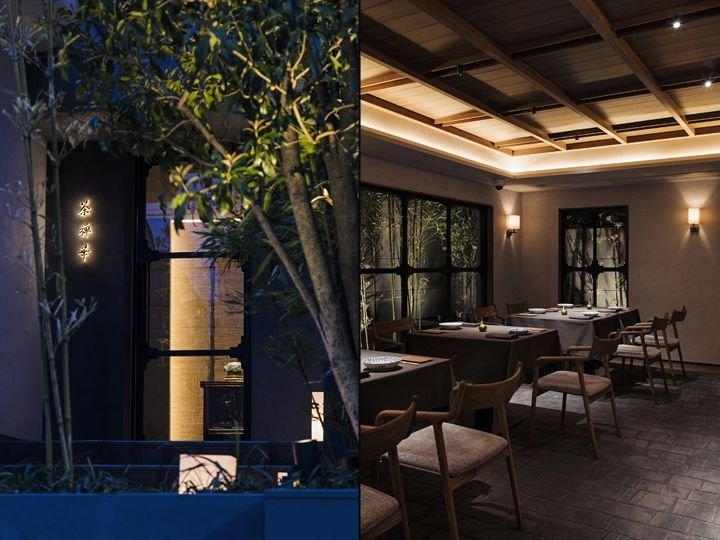
Modern Chinese Fine Dining
Sazenka
Tokyo, Japan
★★★ · 50 Best
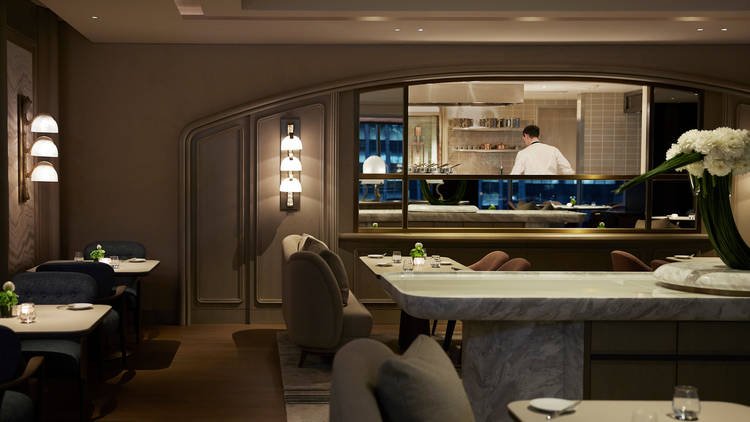
Sézanne
Tokyo, Japan
★★★ · 50 Best
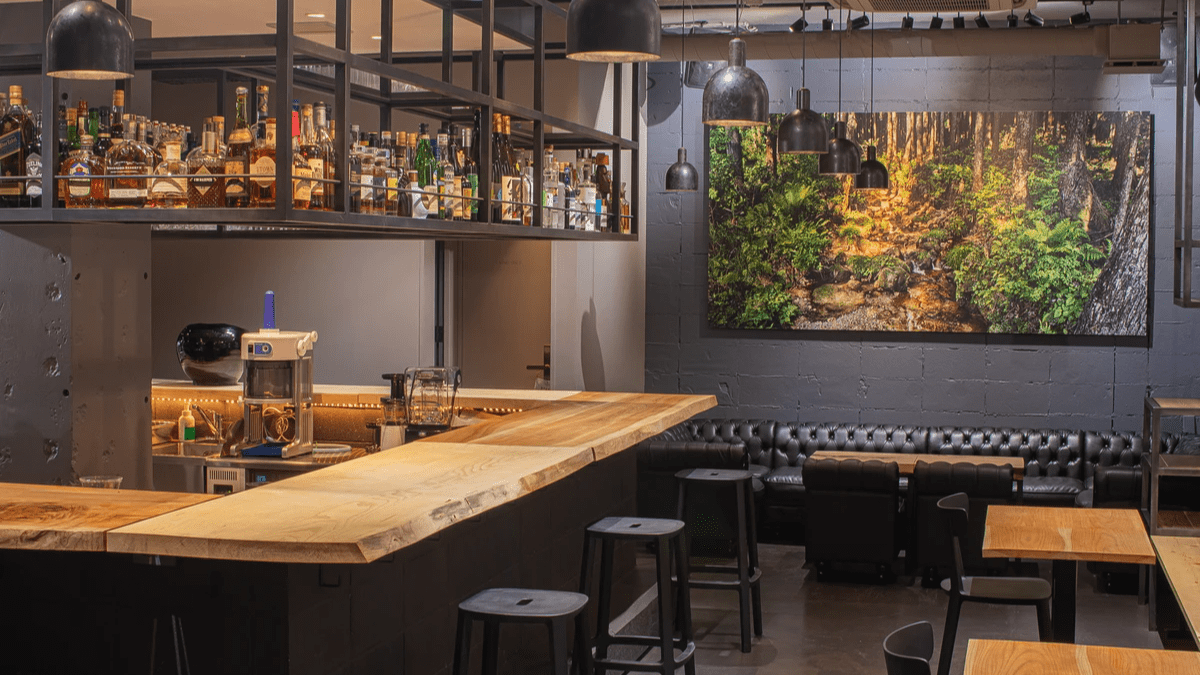
Modern Japanese Satoyama Fine Dining
Narisawa
Tokyo, Japan
★★ · 50 Best
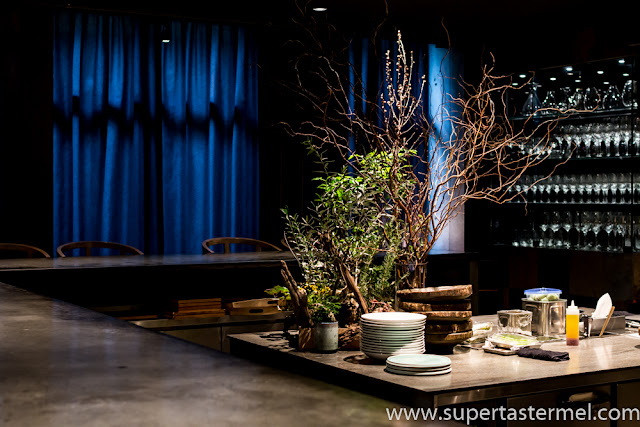
Modern French-Japanese Plant-Based Fine Dining
Florilège
Tokyo, Japan
★★ · 50 Best
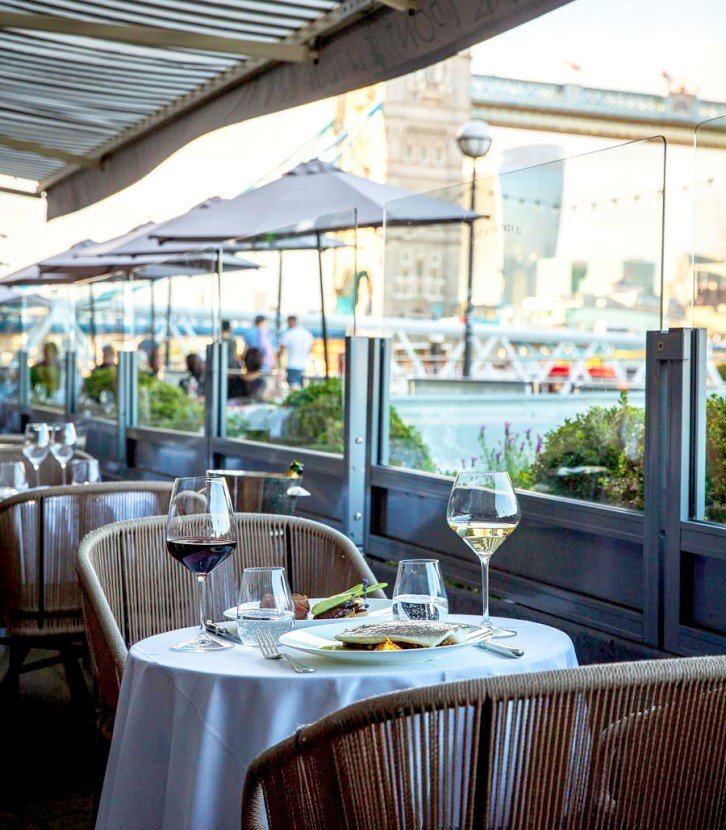
Modern French Fine Dining
Quintessence
Tokyo, Japan
★★★
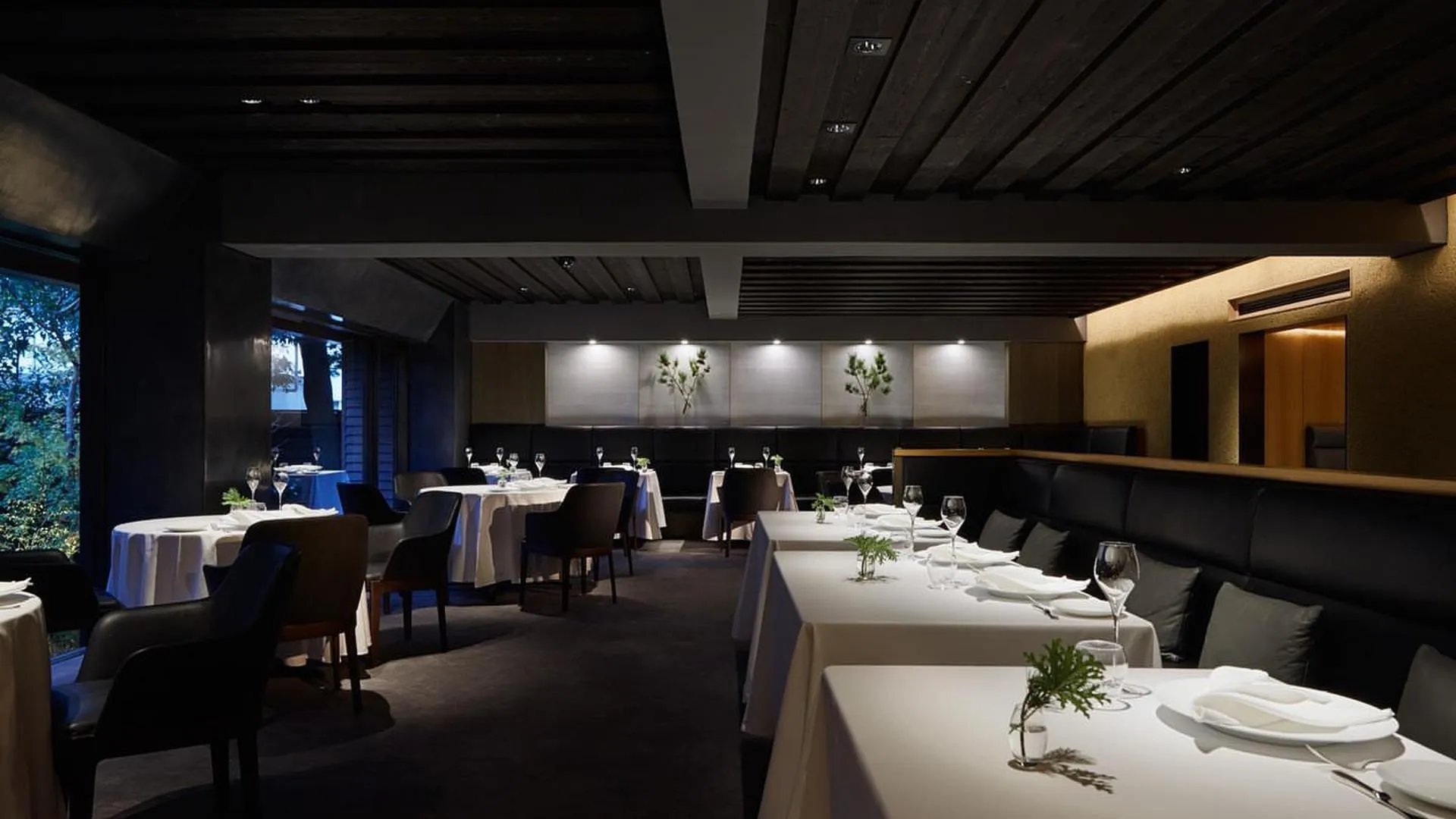
Modern French with Japanese Influences
L'Effervescence
Tokyo, Japan
★★★ · 50 Best