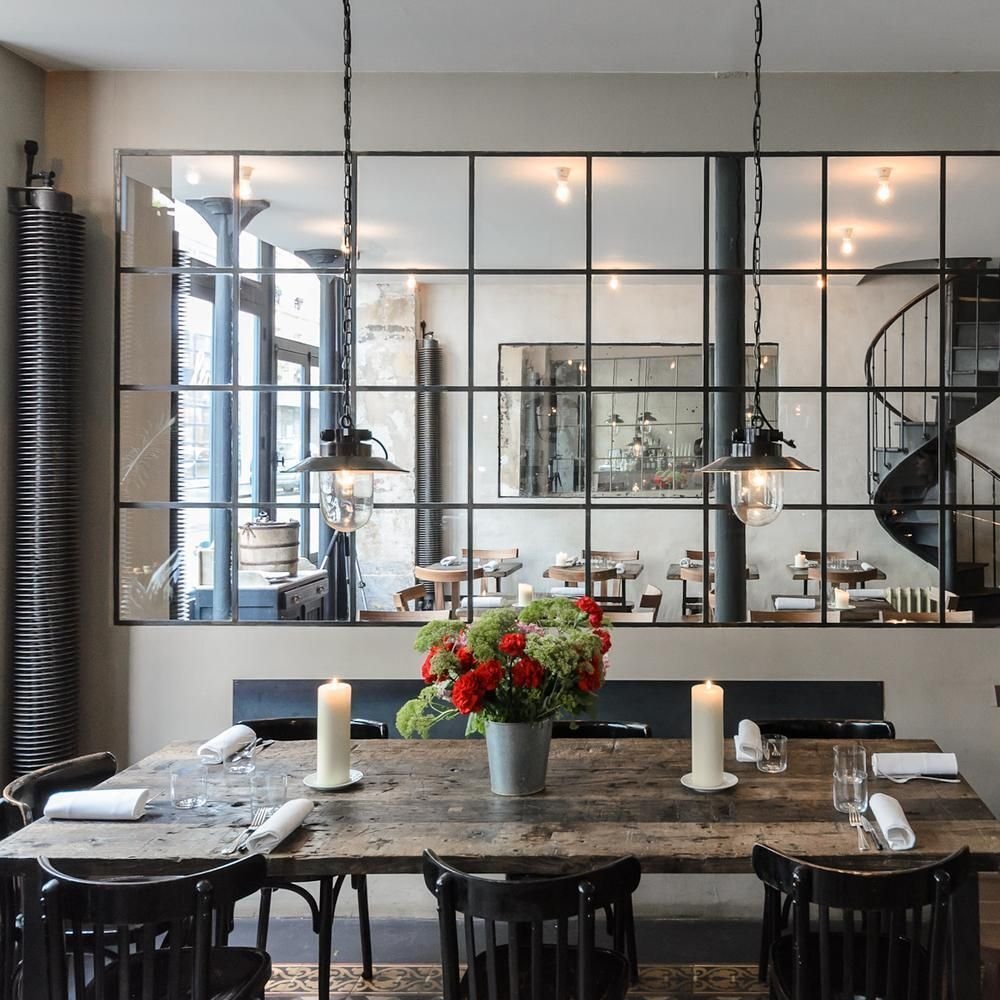
Restaurant
Septime
Septime has held a place in the World's 50 Best Restaurants every year since 2013, peaking at number 11 in 2024, while maintaining a single Michelin star and lunch pricing that undercuts nearly every restaurant at comparable recognition. Bertrand Grébaut's seasonal, vegetable-forward menus on Rue de Charonne defined the 11th arrondissement's neo-bistro template before the term became a Paris cliché.
- 1 Michelin Star
- World's 50 Best · #11
At a glance
- Cuisine
- Modern French Neo-Bistro
- Price
- $$$
- Per person
- $65
- Hours
- Mon: 12:15–2 PM, 7:30–11 PM; Tue: 12:15–2 PM, 7:30–11 PM; Wed: 12:15–2 PM, 7:30–11 PM; Thu: 12:15–2 PM, 7:30–11 PM; Fri: 12:15–2 PM, 7:30–11 PM; Sat: Closed; Sun: Closed
- Neighborhood
- 11th arrondissement
- Rating
- 4.4 (1,349)
<h2>The Restaurant That Rewrote the 11th Arrondissement's Dining Identity</h2><p>When Septime opened on Rue de Charonne in the early 2010s, the 11th arrondissement was already shifting from working-class neighbourhood to the address of choice for a younger, design-literate Paris. The restaurant did not simply arrive into that moment; it helped define it. Over the following decade, the neo-bistro format Septime exemplified — seasonal menus, natural wine programs, stripped-back industrial interiors, cooking that treated vegetables as the primary event — became the dominant grammar of casual fine dining across Paris and, through imitation, across much of Europe. What distinguishes Septime from the cohort it inspired is that the original has continued to outperform its imitators. A World's 50 Best ranking every year since 2013, peaking at number 11 in 2024, is not a trajectory you associate with a restaurant resting on early momentum.</p><h2>Training Lines and What They Signal</h2><p>The neo-bistro wave in Paris was never purely aesthetic. The restaurants that led it were staffed, in many cases, by alumni of the French haute cuisine establishment who had trained at three-Michelin-star level and then consciously chosen to work outside those constraints. Bertrand Grébaut's trajectory is a clear example of that pattern. His formative kitchen time included periods at Joël Robuchon and, more influentially, at Alain Passard's Arpège , the three-star restaurant on Rue de Varenne that spent decades making the case that vegetables deserved the same technical attention as meat and fish. That particular lineage is not incidental to what Septime became. The produce-centred, seasonally-governed approach to the menu at Septime draws directly from a school of thinking that Passard developed at considerable professional risk long before plant-forward cooking became a mainstream restaurant position. Arpège sits in the same price tier as restaurants like <a href="https://www.enprimeurclub.com/restaurants/paul-bocuse-lauberge-du-pont-de-collonges-collonges-au-mont-dor-restaurant">Paul Bocuse - L'Auberge du Pont de Collonges</a>, <a href="https://www.enprimeurclub.com/restaurants/troisgros-le-bois-sans-feuilles-ouches-restaurant">Troisgros - Le Bois sans Feuilles</a>, and <a href="https://www.enprimeurclub.com/restaurants/auberge-de-lill-illhaeusern-restaurant">Auberge de l'Ill</a> , France's canonical fine-dining establishment. Grébaut took that technical formation into a different register entirely: lower price, smaller team, fewer covers, more immediate seasonal response.</p><p>The Robuchon stint matters too, though for different reasons. Robuchon kitchens are structured environments with exceptionally high technical standards and a clear hierarchy. Chefs who pass through them and later open their own spaces tend to bring both precision and a certain confidence in their own calibration. That combination , Passard's vegetable philosophy plus high-standard classical technique , is visible in how Septime's menus are described: not as ingredient lists loosely assembled, but as deliberate constructions where each element earns its place. Grébaut's path from graphic design to Robuchon and Passard kitchens, and then to Rue de Charonne, traces the route that many of the leading neo-bistro chefs in Paris followed: a detour through another discipline, then formal training at the highest level, then a deliberate step away from that formal context toward something more direct.</p><h2>Where Septime Sits in the Paris Fine-Dining Map</h2><p>Paris in 2025 has no shortage of serious restaurants, but the pricing tiers have diverged sharply. At the three-star end , <a href="https://www.enprimeurclub.com/restaurants/flocons-de-sel-megeve-restaurant">Flocons de Sel in Megève</a>, <a href="https://www.enprimeurclub.com/restaurants/mirazur-menton-restaurant">Mirazur in Menton</a>, or the grands maisons of the 8th arrondissement like Le Cinq and Alléno Paris au Pavillon Ledoyen , tasting menus regularly exceed €300 per person before wine. Septime holds a single Michelin star and prices its lunch at approximately $85 for five courses and dinner at $135 for seven. That positioning is not modesty; it is an editorial statement about who the restaurant wants to cook for and what kind of dining experience it is trying to create. For a restaurant that has ranked inside the World's 50 Best top 25 for multiple consecutive years, the price-to-recognition ratio is among the more compelling in European dining.</p><p>The comparison set within Paris for this specific combination of recognition and format is limited. <a href="https://www.enprimeurclub.com/restaurants/le-chateaubriand-paris-restaurant">Le Chateaubriand</a> occupies a similar position in the 11th , chef-driven, seasonally responsive, natural wine-adjacent , and has its own long-running 50 Best history. <a href="https://www.enprimeurclub.com/restaurants/le-servan-paris-restaurant">Le Servan</a>, further east on Rue Saint-Maur, operates in the same culinary register with stronger Southeast Asian inflection. <a href="https://www.enprimeurclub.com/restaurants/elmer-paris-restaurant">Elmer</a> and <a href="https://www.enprimeurclub.com/restaurants/gare-au-gorille-paris-restaurant">Gare au Gorille</a> sit nearby in spirit if not in geography. What sets Septime apart within that Paris cohort is the length and consistency of its international recognition: twelve years of 50 Best appearances is an achievement that places it alongside restaurants like <a href="https://www.enprimeurclub.com/restaurants/le-bernardin">Le Bernardin in New York City</a> in terms of sustained critical relevance. For a neighbourhood bistro in the 11th , not a grand hotel dining room, not a white-tablecloth institution , that consistency is worth registering. <a href="https://www.enprimeurclub.com/restaurants/bruut-bruges-restaurant">Bruut in Bruges</a> represents the kind of neo-bistro model that has since spread across northern Europe, a lineage that traces back in part to what Septime demonstrated was possible.</p><h2>The Menu Logic and Seasonal Framework</h2><p>Septime operates without a fixed à la carte. The format is a set seasonal menu in either four or seven courses, and the content is dictated by what Grébaut chooses to cook with at that moment in the year. This is not unusual among restaurants at this level, but the specific emphasis on the plant world , on seasonal fruits, vegetables, and fungi given full technical attention rather than supporting-role treatment , is a distinctive editorial position that the menu has held since opening. Described dishes have included cepes and girolles with peppercorn sauce, and young leeks in mussel and pimenton butter with wafer-thin lardo: combinations that balance the kitchen's vegetable seriousness with an openness to animal products as seasoning or accent rather than centrepiece. The wine program is handled by Théo Pourriat, Grébaut's school friend and business partner, whose background in economics shows in how the cellar and the broader Septime enterprise have been structured. The list leans natural and is treated with the same seasonal intelligence as the food.</p><p>The sustainable credentials are embedded in how the kitchen sources and operates rather than being decorative. Septime won the Sustainable Restaurant Award in 2017, and the hyper-seasonal sourcing is a function of genuine commitment rather than marketing positioning. That framework also informs the growing list of satellite projects: Clamato for seafood, Septime La Cave as a natural wine bar, Tapisserie for artisanal pastry, and D'Une Île, a countryside hotel two hours from Paris. For diners who cannot secure a table at the main restaurant , which, on a three-week advance booking window and limited covers, remains one of Paris's more competitive reservations , the cluster of associated addresses on and around Rue de Charonne provides viable alternatives. <a href="https://www.enprimeurclub.com/restaurants/le-pantruche-paris-restaurant">Le Pantruche</a> represents the broader Pigalle end of the Paris neo-bistro spectrum, a useful counterpoint in a different arrondissement.</p><h2>Know Before You Go</h2><div style="background:#f8f6f2;border-left:4px solid #b5a07a;padding:1.2em 1.5em;margin:2em 0;"><p><strong>Address:</strong> 80 Rue de Charonne, 75011 Paris, France</p><p><strong>Cuisine:</strong> Neo-bistro, Modern French , seasonal set menus, vegetable-forward</p><p><strong>Menu format:</strong> 4-course or 7-course seasonal menu (no à la carte)</p><p><strong>Price:</strong> Approximately $85 for five courses at lunch; $135 for seven courses at dinner (€€€€ tier, though priced below its recognition peer set)</p><p><strong>Hours:</strong> Monday to Friday, lunch 12:15–14:00 and dinner 19:30–23:00. Closed Saturday and Sunday.</p><p><strong>Booking:</strong> Reservations open three weeks in advance, online only. The restaurant accepts bookings at a fixed window and seats fill quickly , plan your outreach accordingly.</p><p><strong>Awards:</strong> Michelin 1 Star (2024, 2025); World's 50 Best Restaurants #11 (2024); OAD Leading Restaurants in Europe #144 (2025)</p><p><strong>Satellite venues:</strong> Clamato (seafood), Septime La Cave (natural wine bar), Tapisserie (pastry), D'Une Île (countryside hotel, approx. 2 hours from Paris)</p></div><p>For broader context on where Septime fits within the city's full dining, drinking, and hospitality options, see <a href="https://www.enprimeurclub.com/restaurants/paris">our full Paris restaurants guide</a>, <a href="https://www.enprimeurclub.com/hotels/paris">our full Paris hotels guide</a>, <a href="https://www.enprimeurclub.com/bars/paris">our full Paris bars guide</a>, <a href="https://www.enprimeurclub.com/wineries/paris">our full Paris wineries guide</a>, and <a href="https://www.enprimeurclub.com/experiences/paris">our full Paris experiences guide</a>.</p><h2>Frequently Asked Questions</h2><h3 id="cuisine">What's the signature dish at Septime?</h3><p>Septime does not operate around a fixed signature dish in the way that some chef-driven restaurants anchor their identity to a single preparation. The menu changes with the seasons, and Grébaut's approach , built on his time in Alain Passard's kitchen at Arpège , treats the current produce as the determinant rather than a canonical recipe. Dishes described in coverage over the years have included cepes and girolles with peppercorn sauce, and young leeks in mussel and pimenton butter finished with wafer-thin lardo: constructions that illustrate the kitchen's range without defining it as a single dish. The absence of a fixed signature is itself a position: what Septime has consistently offered since opening is a menu that reflects the week's sourcing rather than a fixed repertoire. Given twelve consecutive years in the World's 50 Best, that approach has clearly sustained the restaurant's standing with both the dining public and the professional community that assesses it.</p>
Know before you go
- Dress code
- smart_casual
- Reservations
- essential
- Parking
- street
- Payment
- credit_card, debit_card
- Groups
- Welcomed
Frequently asked
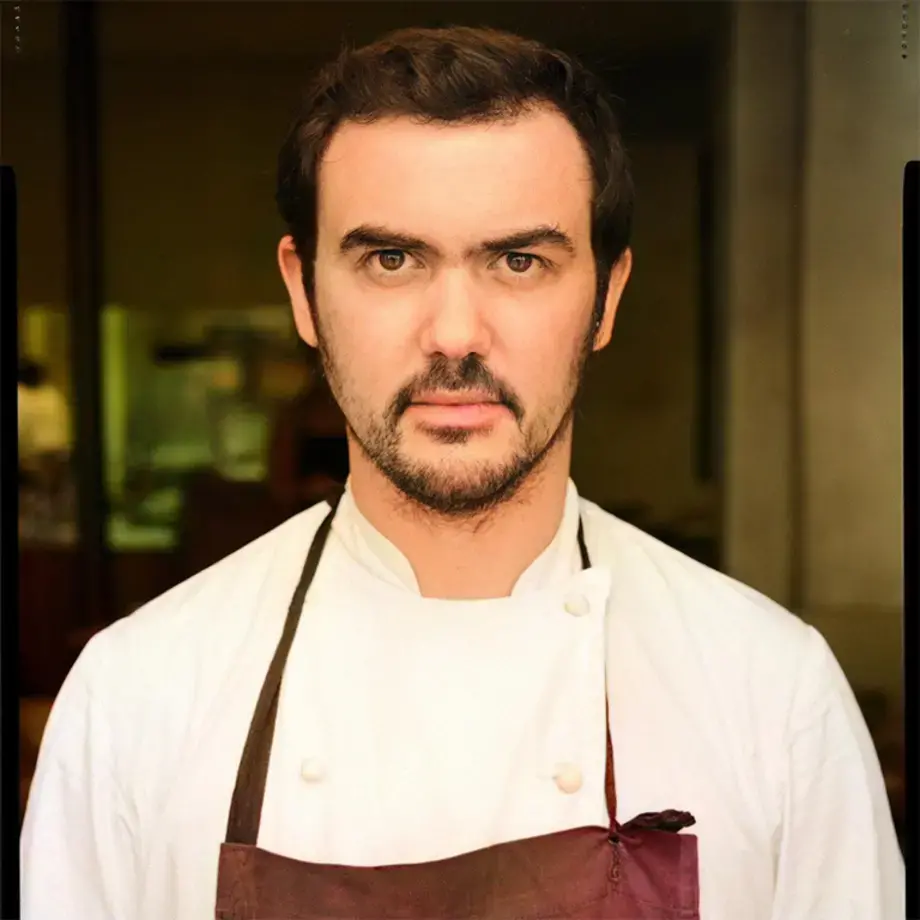
Who is the chef or culinary lead at Septime?
The chef associated with Septime is Bertrand Grébaut.
What are the opening hours for Septime?
Hours at Septime: Hours: Monday 12:15-14:00 19:30-23:00 Tuesday 12:15-14:00 19:30-23:00 Wednesday 12:15-14:00 19:30-23:00 Thursday 12:15-14:00 19:30-23:00 Friday 12:15-14:00 19:30-23:00 Saturday Closed Sunday Closed.
What's the signature dish at Septime?
Septime does not anchor its identity to a fixed signature dish. The menu rotates entirely with the seasons, and Bertrand Grébaut — formerly of Alain Passard's Arpège — shapes each course around whatever produce is at its peak. Past plates have included young leeks in mussel and pimentón butter with lardo, and cèpes and girolles with peppercorn sauce, but neither should be expected on any given visit. The four- or seven-course format is the commitment here, not a single preparation.
How would you describe the cuisine at Septime?
Septime is categorized in our database as Neo-bistro, Modern Cuisine.
What's the pricing like at Septime?
Pricing at Septime is listed as €€€€.
What's Septime's location?
Septime is located at 80 Rue de Charonne, 75011 Paris, France, Paris.
Address
80 Rue de Charonne, 75011 Paris, France
11th arrondissement
How it compares
- Cuisine
- Neo-bistro, Modern Cuisine
- Awards
- This restaurant highlights not only winemakers and their beautiful wines but also the plant world with an extensive range of seasonal fruits and vegetables. This is illustrated with the seasonal menu in 4 or 7 courses in which chef Bertrand Grébaut gives himself carte blanche. Grébaut worked in the kitchens at Robuchon or at Alain Passard, who is also crazy about vegetables.; Opinionated About Dining Top Restaurants in Europe Ranked #144 (2025); Perfectly Parisian: Septime is a super-cool restaurant on an ultra-cool street run by cool people and frequented by cool customers. The food is dictated by the seasons and served without pretention. What dishes can I expect? One of the biggest charms of this neo-industrial bistro is its fair pricing: $85 for five courses at lunch and $135 for seven courses at dinner. Chef Bertrand Grébaut’s modern French food has been luring diners from around the world since the rustic restaurant’s debut more than a decade ago. Expect thoughtful, ingredient-driven plates with global touches, such as delicate plates of cepes and girolles with peppercorn sauce, or young leeks in a mussel and pimenton butter topped with wafer-thin slices of lardo. More on the chef: Graphic designer-turned-chef Bertrand Grébaut, formerly of Alain Passard’s iconic Arpège, helms the kitchen, while his school friend and former economist Théo Pourriat runs the dining room and selects the wines. Plan in advance: Due to its limited number of oversubscribed seats, booking a table at Septime is not a simple task; the restaurant accepts reservations three weeks in advance, online only. Other projects: Should you be unable to get into Septime, Grébaut and Pourriat also command a growing number of nearby restaurants: seafood-focused Clamato, natural wine bar Septime La Cave, as well as artisanal, seasonal pastry shop Tapisserie. Further afield, the duo owns a charming countryside hotel two hours’ away from Paris, called D’Une Île. Eco credentials: Hyper-sustainable Septime was also the winner of the Sustainable Restaurant Award in 2017, and Grébaut and Pourriat recently released Septime, a book that aims to tell the everyday story of their restaurants, including inspiration, recipes and more.; Chef: Bertrand Grébaut document.addEventListener("DOMContentLoaded", function() { var el = document.getElementById("Achievements_chefs"); if (el && el.parentNode) { el.parentNode.removeChild(el); } });; Michelin 1 Star (2025); Opinionated About Dining Top Restaurants in Europe Ranked #158 (2024); World's 50 Best Best Restaurants #11 (2024); Michelin 1 Star (2024); Opinionated About Dining Top New Restaurants in Europe Ranked #120 (2023); World's 50 Best Best Restaurants #24 (2023); World's 50 Best Best Restaurants #22 (2022); World's 50 Best Best Restaurants #24 (2021); World's 50 Best Best Restaurants #15 (2019); World's 50 Best Best Restaurants #40 (2018); World's 50 Best Best Restaurants #35 (2017); World's 50 Best Best Restaurants #50 (2016); World's 50 Best Best Restaurants #49 (2013)
- Notes
- This venue
Alléno Paris au Pavillon Ledoyen
- Cuisine
- Creative
- Awards
- Michelin 3 Star, World's 50 Best
- Notes
- Creative, €€€€
- Cuisine
- Contemporary French, Modern Cuisine
- Awards
- Michelin 3 Star, World's 50 Best
- Notes
- Contemporary French, Modern Cuisine, €€€€
- Cuisine
- French, Classic Cuisine
- Awards
- Michelin 3 Star, World's 50 Best
- Notes
- French, Classic Cuisine, €€€€
Le Cinq - Four Seasons Hôtel George V
- Cuisine
- French, Modern Cuisine
- Awards
- Michelin 3 Star, World's 50 Best
- Notes
- French, Modern Cuisine, €€€€
- Cuisine
- Contemporary French
- Awards
- Michelin 3 Star, World's 50 Best
- Notes
- Contemporary French, €€€€
In residence
Similar places
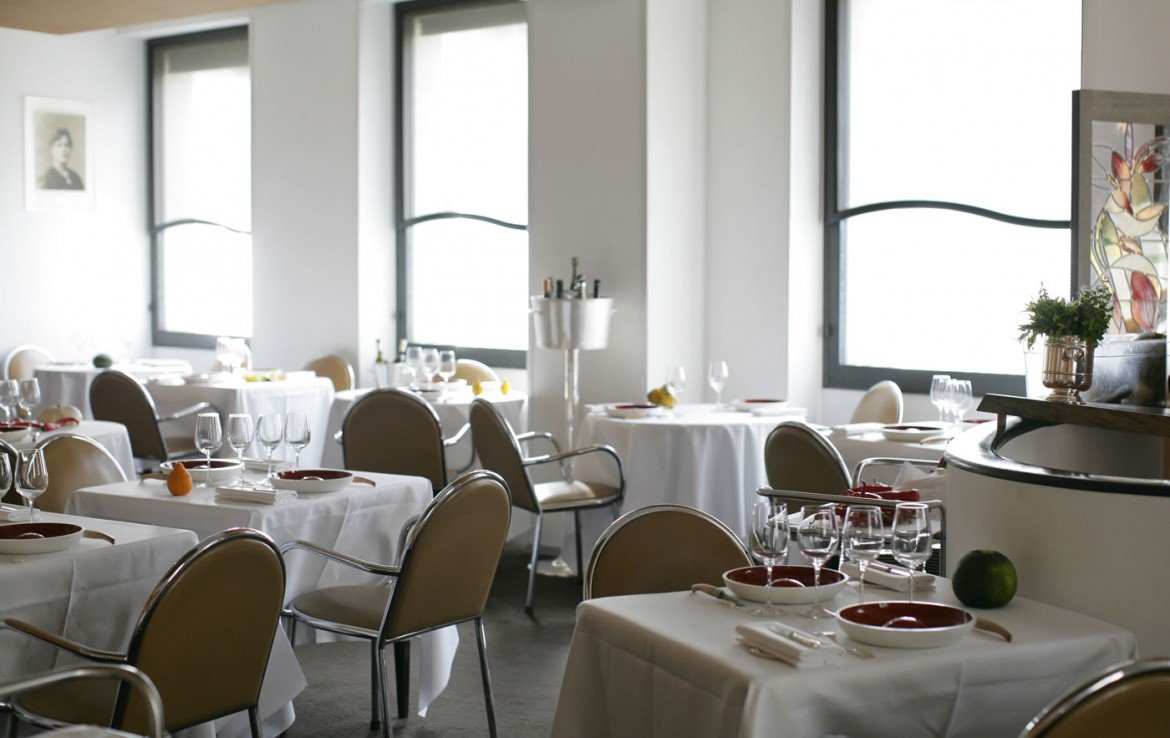
Vegetable-Focused French Fine Dining
Arpège
Paris, France
★★★ · 50 Best
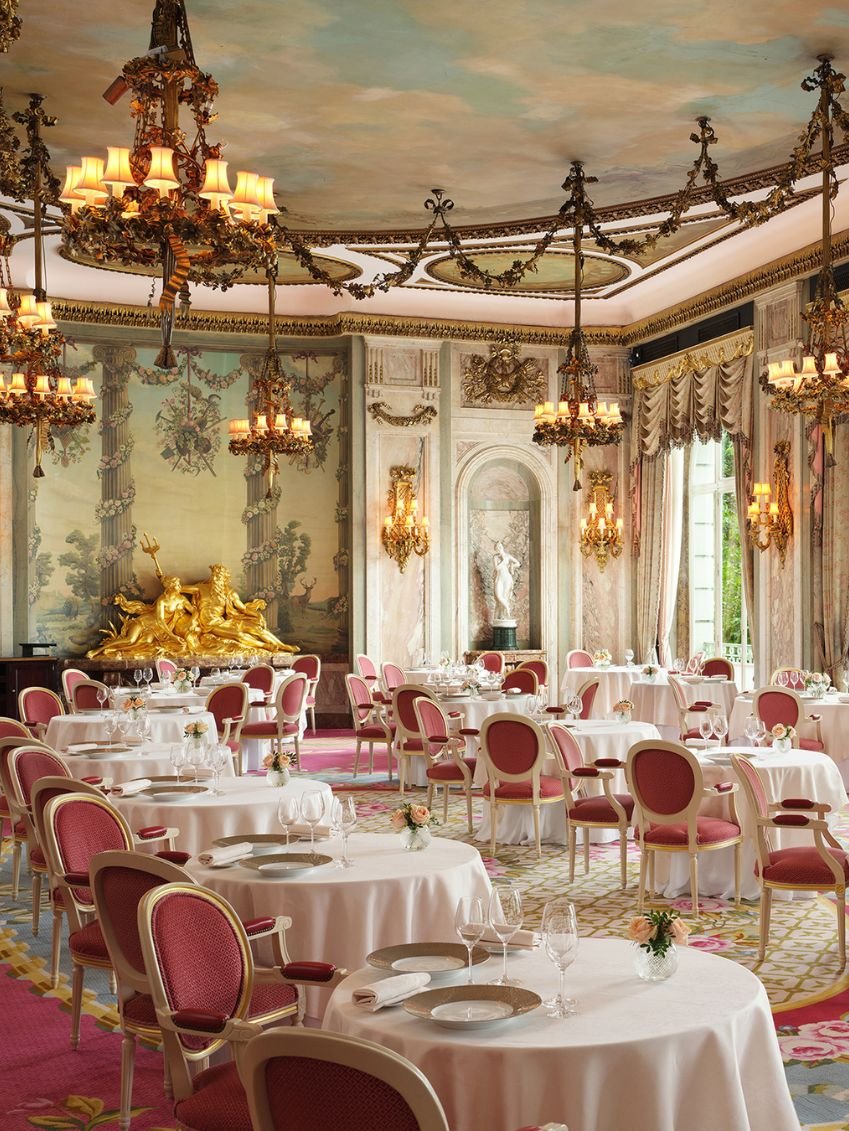
Contemporary French Terroir
La Grenouillère
Paris, France
★★ · 50 Best
Avant-Garde French Fine Dining
Pierre Gagnaire
Paris, France
★★★ · 50 Best
Classic and Modern French Fine Dining
Le Taillevent
Paris, France
★★ · 50 Best
Classic French Fine Dining
Guy Savoy
Paris, France
★★ · 50 Best
Modern French Sauce-Led Fine Dining
Plénitude
Paris, France
★★★ · 50 Best