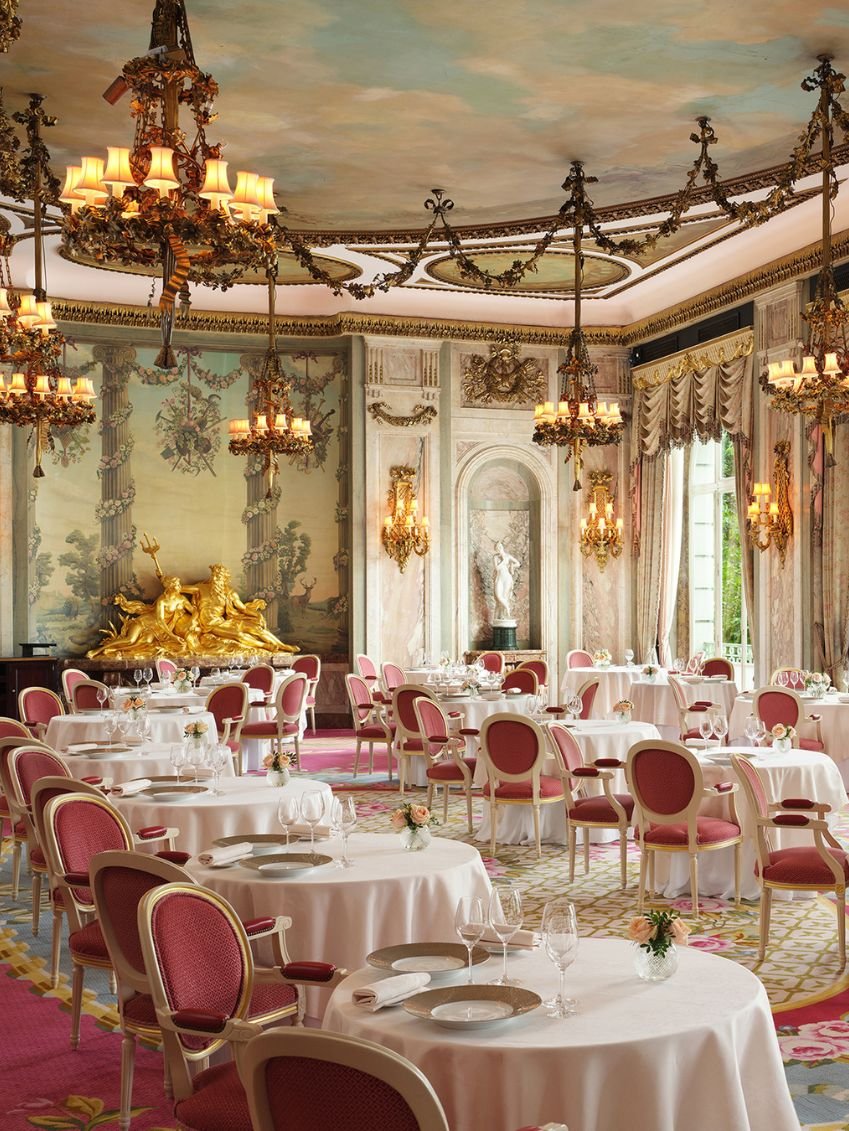
Restaurant
Château de Beaulieu - Christophe Dufossé
Two Michelin stars illuminate Chef Christophe Dufossé's terroir-driven cuisine at Château de Beaulieu - Christophe Dufossé in Busnes, where a restored 17th-century château frames innovative French gastronomy sourced from estate gardens and 30 regional producers.
- 2 Michelin Stars
At a glance
- Cuisine
- Modern French Gastronomique
- Price
- $$$$
- Per person
- $195
- Hours
- Mon: Closed; Tue: Closed; Wed: 12–1:30 PM, 7–8:30 PM; Thu: 7–8:30 PM; Fri: 12–1:30 PM, 7–8:30 PM; Sat: 12–1:30 PM, 7–8:30 PM; Sun: 12–1:30 PM
- Neighborhood
- Busnes
- Rating
- 4.4 (59)
<h2>Where Northern France Takes Fine Dining Seriously</h2><p>The drive from Calais or Lille into the Artois countryside offers few signals that a two-Michelin-star kitchen awaits. The Lys valley rolls through agricultural flatlands and small market towns, a region better known for its coal-mining heritage than its gastronomy. Arriving at Château de Beaulieu along the Rue de Lillers in Busnes, the eighteenth-century stone building announces itself through proportion rather than spectacle: a formal façade, symmetrical grounds, and the kind of architectural stillness that makes the surrounding landscape feel intentional. This is the northern French tradition of hospitality rooted in place, and it sets the register for everything that follows.</p><h2>The Opal Coast as a Culinary Territory</h2><p>French fine dining has long been mapped around its obvious poles: Paris, Lyon, the Riviera. The northern tier, from the Pas-de-Calais up through Flanders, has historically operated as a transit corridor rather than a destination in its own right. That framing has been shifting. Château de Beaulieu holds two Michelin stars as of 2025, a distinction it has carried across consecutive guide editions, and has earned recognition from Les Grandes Tables du Monde (2025) alongside an 83-point placement in La Liste Leading Restaurants (2026). The restaurant's Michelin Green Star signals a commitment to sustainable sourcing that connects directly to the regional character of the Opal Coast, a coastline and hinterland defined by fishing traditions, market gardening, and a proximity to the North Sea that shapes both produce and season.</p><p>That regional anchor matters as a comparative point. Three-star destinations like <a href="https://www.enprimeurclub.com/restaurants/mirazur-menton-restaurant">Mirazur in Menton</a> or <a href="https://www.enprimeurclub.com/restaurants/alleno-paris-au-pavillon-ledoyen-paris-restaurant">Alléno Paris au Pavillon Ledoyen</a> operate within clearly defined gastronomic territories: the Mediterranean and the Parisian grand dining tradition, respectively. Busnes occupies different ground. The Opal Coast's produce is less internationally legible than Provence or the Basque Country, which means a kitchen operating here has to make the argument for its raw materials rather than rely on inherited prestige. That argument is, in part, what earns a Green Star alongside the two culinary ones.</p><h2>Christophe Dufossé and the Northern Provenance</h2><p>French haute cuisine has produced several distinct lineages in recent decades: the classical brigade model associated with Paul Bocuse (see <a href="https://www.enprimeurclub.com/restaurants/paul-bocuse-lauberge-du-pont-de-collonges-collonges-au-mont-dor-restaurant">L'Auberge du Pont de Collonges</a>), the mountain terroir tradition exemplified by <a href="https://www.enprimeurclub.com/restaurants/flocons-de-sel-megeve-restaurant">Flocons de Sel in Megève</a>, and the rootedly regional model developed by houses like <a href="https://www.enprimeurclub.com/restaurants/bras-laguiole-restaurant">Bras in Laguiole</a>. Chef Christophe Dufossé's position at Château de Beaulieu reads as a version of that third category, applied to northern France. The Michelin designation as a restaurant of the "Soul of the Opal Coast" is not a marketing phrase but a classification, one that places the kitchen within a tradition of terrain-linked French gastronomy rather than in the cosmopolitan creative tier represented by, say, <a href="https://www.enprimeurclub.com/restaurants/am-par-alexandre-mazzia-marseille-restaurant">AM par Alexandre Mazzia in Marseille</a>.</p><p>The editorial angle worth noting here is the challenge any chef faces in establishing credibility for a region with limited gastronomic mythology. The northeastern corner of France has its own culinary voices, from <a href="https://www.enprimeurclub.com/restaurants/assiette-champenoise-reims-restaurant">Assiette Champenoise in Reims</a> to <a href="https://www.enprimeurclub.com/restaurants/au-crocodile-strasbourg-restaurant">Au Crocodile in Strasbourg</a>, but the Artois and Opal Coast have operated without equivalent reference points. Dufossé's sustained two-star status across 2024 and 2025 Michelin editions, combined with Les Grandes Tables du Monde recognition, represents the kind of consecutive validation that separates a strong regional table from a destination worth building a trip around.</p><h2>Sustainable Practice as Northern Identity</h2><p>The Michelin Green Star, awarded alongside the two culinary stars in 2025, reflects a particular strand of French gastronomy that has gained institutional weight over the past several years. Where earlier generations of starred French kitchens drew prestige from supply chains that stretched across Europe (truffles from Périgord, fish from Brittany, lamb from Pauillac), a growing number of Green Star holders anchor their sourcing within tighter geographical boundaries. <a href="https://www.enprimeurclub.com/restaurants/troisgros-le-bois-sans-feuilles-ouches-restaurant">Troisgros - Le Bois sans Feuilles</a> exemplifies one version of this in the Loire, and <a href="https://www.enprimeurclub.com/restaurants/auberge-de-lill-illhaeusern-restaurant">Auberge de l'Ill in Illhaeusern</a> another in Alsace, where the river and surrounding plains define the larder. At Château de Beaulieu, the Green Star situates the kitchen within the Opal Coast ecosystem: North Sea catches, inland market produce, and the particular seasonal rhythms of northern France. This is not merely a values statement but a structural constraint that makes the menu legible as a regional argument rather than a generic tasting-format exercise.</p><p>Internationally, kitchens operating in comparable frameworks include <a href="https://www.enprimeurclub.com/restaurants/frantzen-stockholm-restaurant">Frantzén in Stockholm</a> and its Dubai counterpart <a href="https://www.enprimeurclub.com/restaurants/fzn-by-bjorn-frantzen-dubai-restaurant">FZN by Björn Frantzén</a>, both of which demonstrate how a strong regional or seasonal sourcing identity can travel and translate into broader recognition. Dufossé's work operates at a more contained scale but belongs to the same critical conversation about what it means for a kitchen to speak for its geography.</p><h2>The Property and Its Setting</h2><p>Relais and Châteaux membership (confirmed in the venue record) places Château de Beaulieu within a global network that includes some of France's most historically significant dining properties. For the traveller, that affiliation carries practical weight: booking infrastructure, service standards, and accommodation quality are benchmarked against a consistent peer set. The address at 1098 Rue de Lillers, Busnes sits roughly an hour from Le Touquet, as noted in the Michelin designation, and within comfortable driving distance of Lille and Calais. That geography makes it a realistic stopover for travellers crossing the Channel who are prepared to extend a transit into a purposeful dining excursion. Contact reaches the property via chateaubeaulieu@relaischateaux.com or by telephone at +33 (0)3 21 68 88 88, and the full property website is at lechateaudebeaulieu.fr.</p><p>The Relais et Châteaux context also affects the competitive framing. This is not a standalone urban restaurant but a château property with accommodation, which changes the calculus for the traveller. An overnight stay converts a long drive into an appropriately paced experience, and the property grounds, consistent with the architectural tradition of the region's country houses, form part of the case for the visit. For more on what to do while in the area, see <a href="https://www.enprimeurclub.com/experiences/busnes">our full Busnes experiences guide</a>.</p><h2>Where This Fits in the Northern France Dining Picture</h2><p>The broader Busnes dining scene is modest in scale. <a href="https://www.enprimeurclub.com/restaurants/cote-jardin-busnes-restaurant">Côté Jardin</a> represents the local complement to Château de Beaulieu's fine dining tier, and the surrounding area offers limited alternatives at the leading of the market. That relative isolation is, in a sense, the point. A two-star Relais et Châteaux table in the Artois countryside does not draw from a metropolitan dining audience that rotates between options. It draws visitors who have made a deliberate decision to come. For full regional coverage, <a href="https://www.enprimeurclub.com/restaurants/busnes">our full Busnes restaurants guide</a> covers the range of options, while <a href="https://www.enprimeurclub.com/hotels/busnes">our Busnes hotels guide</a>, <a href="https://www.enprimeurclub.com/bars/busnes">bars guide</a>, and <a href="https://www.enprimeurclub.com/wineries/busnes">wineries guide</a> round out the planning picture for an extended stay.</p><p>La Liste's 2025 score of 84 points and 2026 score of 83 points place Château de Beaulieu in La Liste's "Remarkable" category, a tier that reflects consistent high-level execution without the global name recognition of the French three-star circuit. That is a reasonable description of what the restaurant represents within the national picture: a kitchen that has made a serious case for its region, earned consecutive multi-star recognition, and operates within a sustainable framework that gives its cuisine a clear identity. In the context of northern France, that is a significant achievement. In the context of the Opal Coast specifically, it is the defining reference point.</p><hr></hr><h2>Frequently Asked Questions</h2><h3>What do regulars order at Château de Beaulieu?</h3><p>Without verified menu data in the record, specific dish names cannot be confirmed here. What the awards picture does indicate is that the kitchen operates a modern cuisine format anchored in Opal Coast produce, with a Green Star sustainability designation shaping the sourcing logic. Regulars at two-star Relais et Châteaux properties in France typically engage with seasonal tasting menus rather than à la carte, and the kitchen's regional identity suggests dishes built around North Sea seafood and locally sourced seasonal produce. For current menu details, the property's website at lechateaudebeaulieu.fr or direct contact at chateaubeaulieu@relaischateaux.com are the reliable sources.</p><h3>What is the leading way to book Château de Beaulieu?</h3><p>Two-Michelin-star Relais et Châteaux properties in France at this tier book out well in advance, particularly on weekend evenings and during the spring and summer travel season when the Opal Coast draws more visitors. If you are travelling from the UK or planning a stop between Calais and Paris, this is the type of reservation to arrange before finalising transport logistics rather than after. The property is reachable at chateaubeaulieu@relaischateaux.com or by phone at +33 (0)3 21 68 88 88. Given the €€€€ price tier and the property's accommodation offering, a combined dining-and-overnight booking is worth considering to make the journey worthwhile.</p>
Know before you go
- Dress code
- smart_casual
- Reservations
- essential
- Parking
- on_site_lot
- Payment
- credit_card, debit_card
- Accessibility
- wheelchair_accessible, accessible_parking
- Outdoor seating
- Yes
- Groups
- Welcomed
Frequently asked
Is there a head chef associated with Château de Beaulieu - Christophe Dufossé?
The chef associated with Château de Beaulieu - Christophe Dufossé is Christophe Dufossé.
What cuisine category does Château de Beaulieu - Christophe Dufossé fall under?
Château de Beaulieu - Christophe Dufossé is categorized in our database as Modern Cuisine.
What do regulars order at Château de Beaulieu - Christophe Dufossé?
Specific menu items are not confirmed in the venue record, but the kitchen's two Michelin stars and Michelin Green Star signal a menu grounded in northern French provenance and seasonal, sustainably sourced ingredients from the Artois and Opal Coast region. La Liste placed it at 83 points in 2026 under the 'Remarkable' category, which indicates a cooking style that earns repeat visits rather than a single showcase tasting. Booking via chateaubeaulieu@relaischateaux.com or +33 (0)3 21 68 88 88 would be the way to request current menu details before arrival.
Is Château de Beaulieu - Christophe Dufossé more mid-range or high-end?
Pricing at Château de Beaulieu - Christophe Dufossé is listed as €€€€.
How do I find Château de Beaulieu - Christophe Dufossé?
Château de Beaulieu - Christophe Dufossé is located at Château de Beaulieu, 1098 Rue de Lillers, 62350 Busnes, France, Busnes.
Is Château de Beaulieu - Christophe Dufossé award-winning?
Château de Beaulieu - Christophe Dufossé has received recognition including: La Liste Top Restaurants (2026): 83pts; Category: Remarkable; HIGHLIGHTS: • 2 MICHELIN STARS & 1 GREEN STAR 2025 • SOUL OF THE OPAL COAST • AN HOUR FROM LE TOUQUET • SUSTAINABLE APPROACH DIRECTIONS & ACCESS: Website and contact information ….
What's the best way to book Château de Beaulieu - Christophe Dufossé?
check the venue's official channels by email at chateaubeaulieu@relaischateaux.com or by phone at +33 (0)3 21 68 88 88; the full website is at lechateaudebeaulieu.fr. As a two-Michelin-star Relais & Châteaux address in the €€€€ price tier, weekend tables and spring-to-autumn dates fill early. Booking several weeks in advance is advisable, particularly if combining dinner with an overnight stay at the château.
Address
Château de Beaulieu, 1098 Rue de Lillers, 62350 Busnes, France
Busnes
How it compares
Château de Beaulieu - Christophe Dufossé
- Cuisine
- Modern Cuisine
- Price
- €€€€
- Awards
- La Liste Top Restaurants (2026): 83pts; Category: Remarkable; HIGHLIGHTS: • 2 MICHELIN STARS & 1 GREEN STAR 2025 • SOUL OF THE OPAL COAST • AN HOUR FROM LE TOUQUET • SUSTAINABLE APPROACH DIRECTIONS & ACCESS: Website and contact information E-mail: chateaubeaulieu@relaischateaux.com Tel. : +33 (0)3 21 68 88 88 MEMBER SINCE: 4.3/5; La Liste Top Restaurants (2025): 84pts; Les Grandes Tables Du Monde Award (2025); Michelin 2 Stars (2025); Michelin 2 Stars (2024)
- Notes
- This venue
Alléno Paris au Pavillon Ledoyen
- Cuisine
- Creative
- Price
- €€€€
- Awards
- Michelin 3 Star, World's 50 Best
- Notes
- Creative, €€€€
- Cuisine
- Contemporary French, Modern Cuisine
- Price
- €€€€
- Awards
- Michelin 3 Star, World's 50 Best
- Notes
- Contemporary French, Modern Cuisine, €€€€
- Cuisine
- French, Classic Cuisine
- Price
- €€€€
- Awards
- Michelin 3 Star, World's 50 Best
- Notes
- French, Classic Cuisine, €€€€
Le Cinq - Four Seasons Hôtel George V
- Cuisine
- French, Modern Cuisine
- Price
- €€€€
- Awards
- Michelin 3 Star, World's 50 Best
- Notes
- French, Modern Cuisine, €€€€
- Cuisine
- Contemporary French
- Price
- €€€€
- Awards
- Michelin 3 Star, World's 50 Best
- Notes
- Contemporary French, €€€€
In residence


Similar places
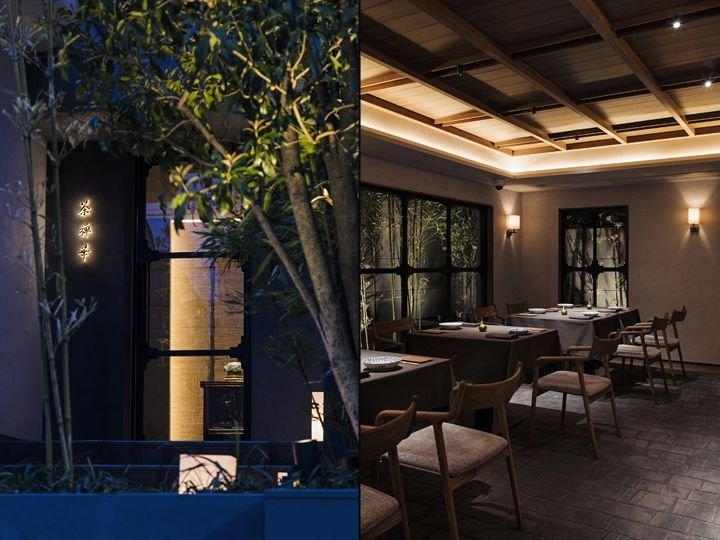
Modern Chinese Fine Dining
Sazenka
Tokyo, Japan
★★★ · 50 Best
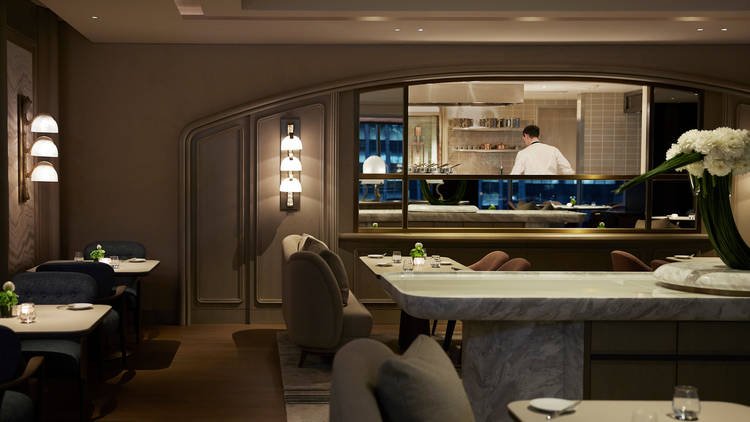
Sézanne
Tokyo, Japan
★★★ · 50 Best
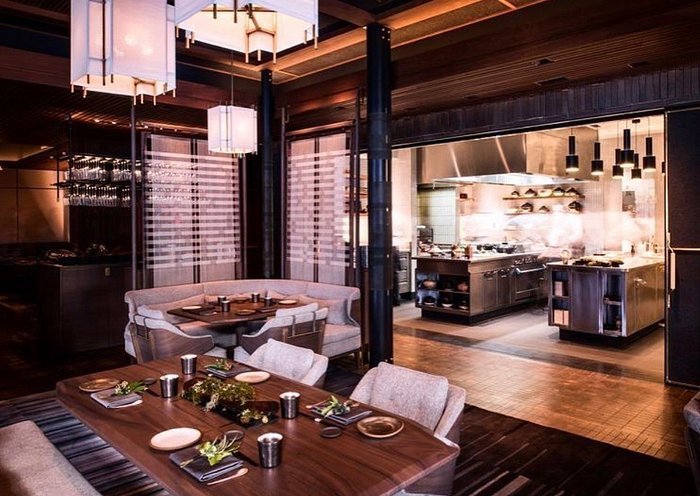
Japanese-influenced Californian Kaiseki
Single Thread Farm
Healdsburg, United States
★★★ · 50 Best
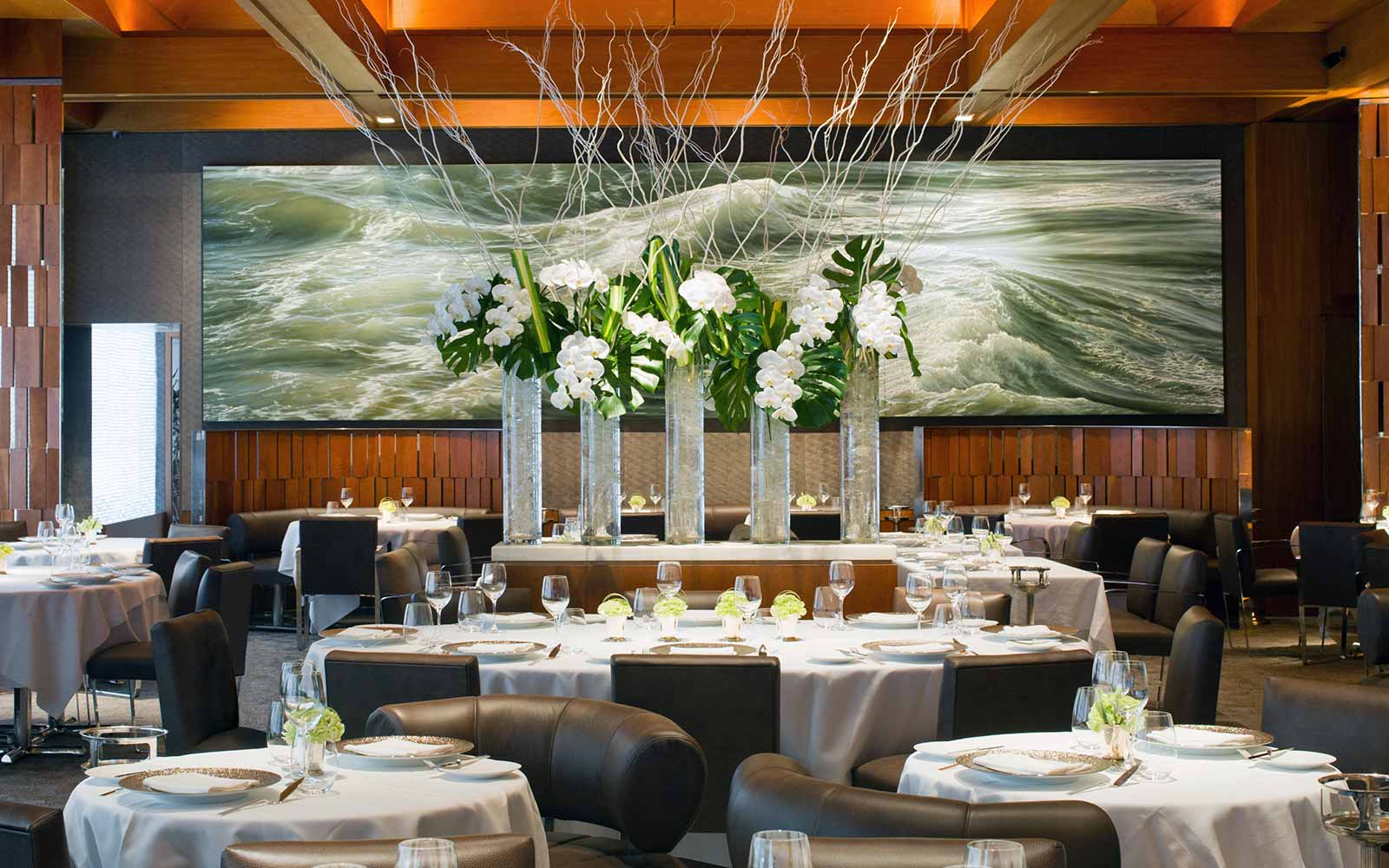
French Seafood Fine Dining
Le Bernardin
New York City, United States
★★★ · 50 Best
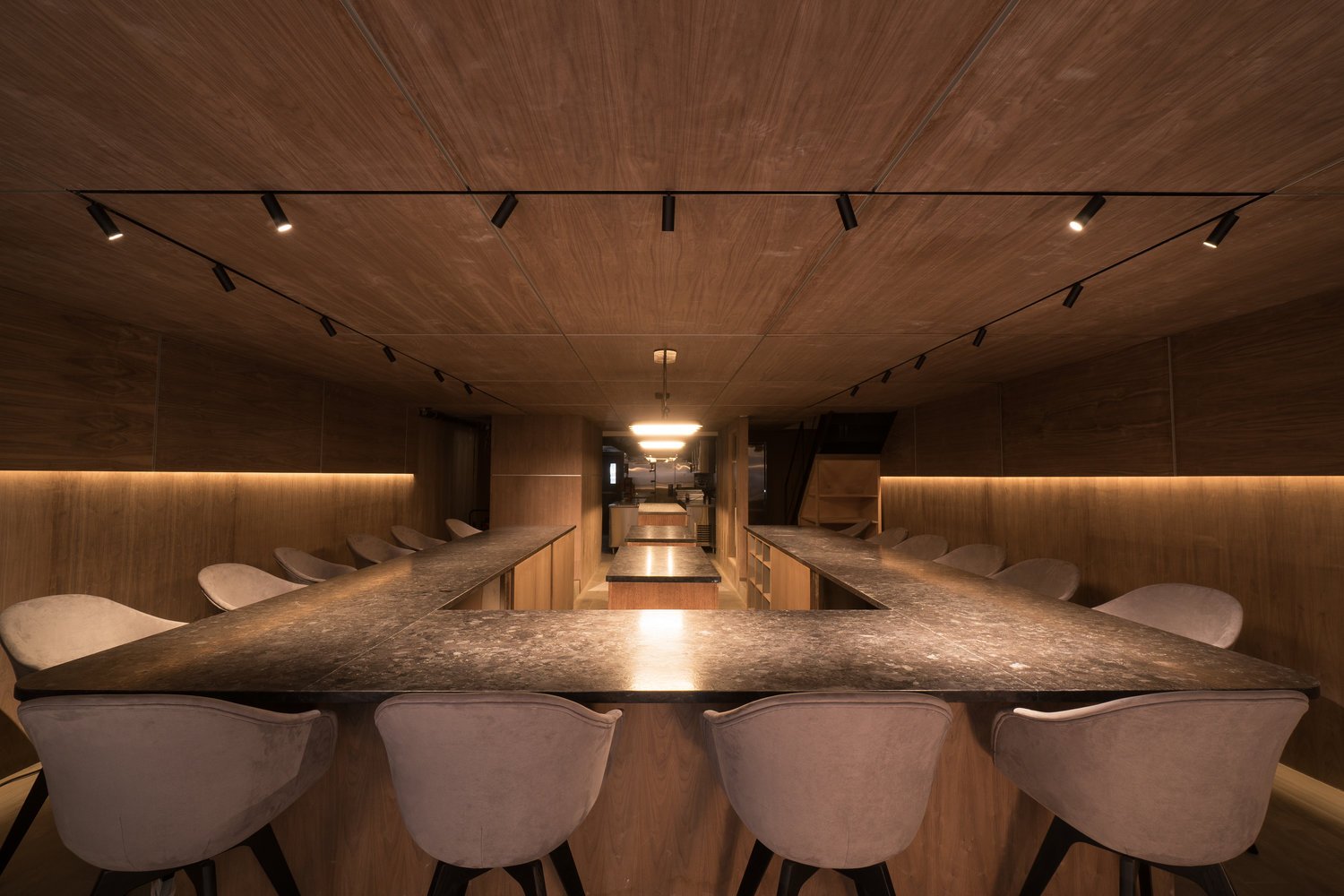
Modern Korean Tasting Menu
Atomix
New York City, United States
★★ · 50 Best
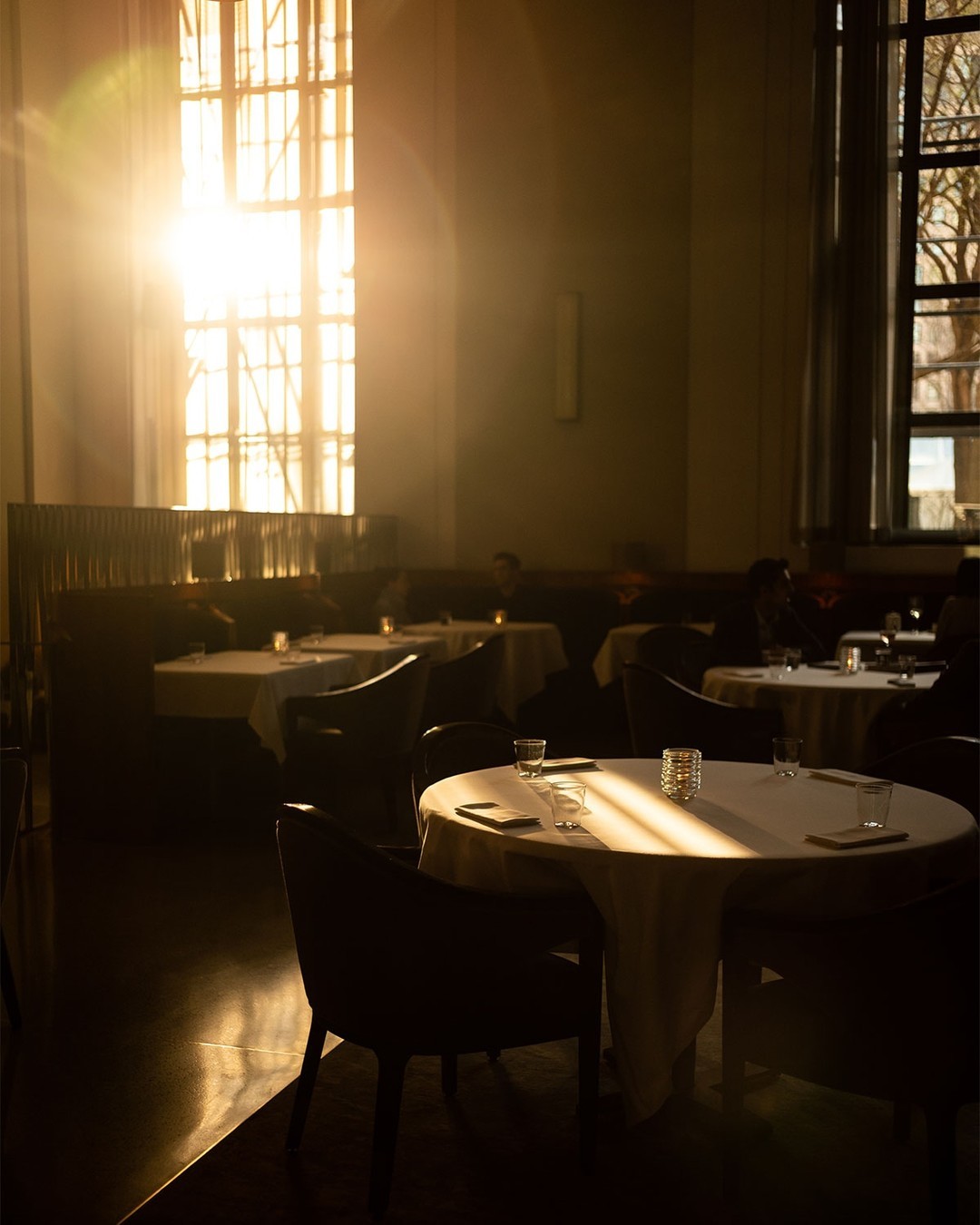
Contemporary Plant-Based Fine Dining
Eleven Madison Park
New York City, United States
★★★ · 50 Best