Restaurant
Château Restaurant Joël Robuchon
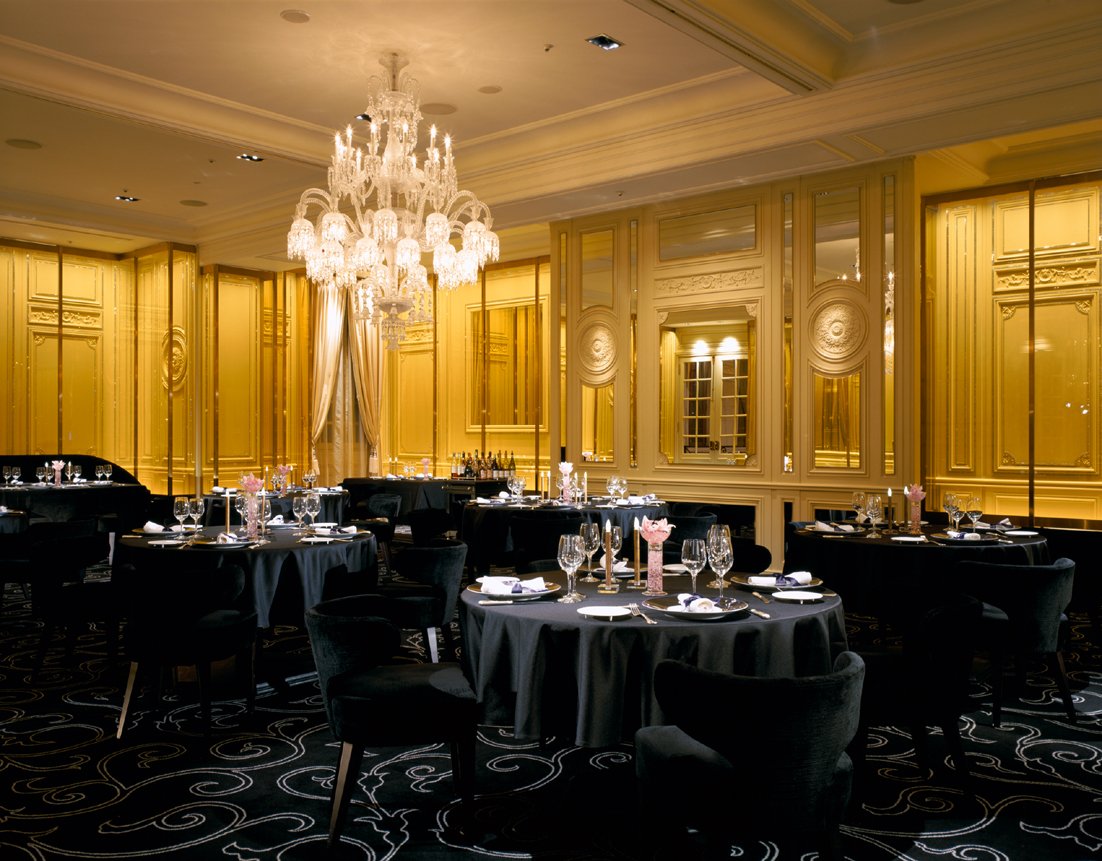
Housed inside Ebisu Garden Place, Château Restaurant Joël Robuchon carries three Michelin stars and a 95-point La Liste ranking into one of Tokyo's most formally dressed dining rooms. Chef Kenichiro Sekiya, a Meilleurs Ouvriers de France recipient, channels the Robuchon canon through Japanese ingredients, while the tableside trolley service — bread, cheese, and mignardises — remains the most theatrically considered element of the meal.
- 3 Michelin Stars
At a glance
- Cuisine
- Modern French Fine Dining
- Price
- $$$$
- Per person
- $300
- Hours
- Mon: 5:30–7:30 PM; Tue: 5:30–7:30 PM; Wed: 5:30–7:30 PM; Thu: 5:30–7:30 PM; Fri: 5:30–7:30 PM; Sat: 11:30 AM–12 PM, 6–7:30 PM; Sun: 11:30 AM–12 PM, 6–7:30 PM
- Neighborhood
- Ebisu
- Rating
- 4.5 (971)
<h2>The Weight of the Occasion, Before You Sit Down</h2><p>There are restaurants in Tokyo that serve exceptional food, and there are a handful where the architecture of the evening itself becomes the occasion. The château at Ebisu Garden Place belongs to the second category. Approaching the building after dark, the mock-Bordeaux facade lit against the Tokyo skyline, the signal is unmistakable: this is a meal you will be dressing for, arriving early for, and remembering with precision. That effect is not accidental. It is the result of sustained institutional intention, maintained across decades and now carried forward by Chef Kenichiro Sekiya, recipient of the Meilleurs Ouvriers de France (MOF) title and the chef most directly charged with transmitting the Robuchon culinary philosophy in Japan.</p><p>Tokyo's French fine dining tier has expanded and contracted several times over the past two decades. The city now supports a range of ambitious addresses, from <a href="https://www.enprimeurclub.com/restaurants/leffervescence-tokyo-restaurant">L'Effervescence</a> with its ingredient-driven naturalism to <a href="https://www.enprimeurclub.com/restaurants/sezanne-tokyo-restaurant">Sézanne</a> and its Anglo-French sensibility, and further along to contemporary interpretations at <a href="https://www.enprimeurclub.com/restaurants/esquisse-tokyo-restaurant">ESqUISSE</a> and <a href="https://www.enprimeurclub.com/restaurants/florilege">Florilège</a>. Within that field, Château Restaurant Joël Robuchon occupies a specific and deliberately held position: classical French gastronomy, executed at the highest institutional level, with the full formal apparatus intact.</p><h2>Three Stars, One Table, and the Ceremony of Service</h2><p>The restaurant holds three Michelin stars — a designation it has maintained at the apex of the Tokyo guide — and earned a 95-point score from La Liste in 2025, placing it among a small group of restaurants globally where the critical consensus is consistent across multiple independent systems. Opinionated About Dining placed it at #111 among Japan's leading restaurants in 2025, a ranking that reflects the density of competition in Japan rather than any softening of the kitchen's output. The restaurant also holds the Les Grandes Tables du Monde award for 2025, a membership that aligns it with a specific peer set of grand classical houses worldwide, including <a href="https://www.enprimeurclub.com/restaurants/hotel-de-ville-crissier-crissier-restaurant">Hotel de Ville Crissier in Crissier</a> and the category's equivalent in Southeast Asia at <a href="https://www.enprimeurclub.com/restaurants/les-amis-singapore-restaurant">Les Amis in Singapore</a>.</p><p>What distinguishes the experience at this level is not any single dish but the sequencing of the meal as a complete formal structure. The trolley service is the most commented-upon element, and for good reason. A domed block of Brittany butter is carved tableside with a warm spoon, swirled onto a plate, and accompanied by a presentation of eighteen different breads. A cheese cart follows in due course. Mignardises arrive on their own dedicated trolley. The ritual dimension of this service is something that French fine dining as a category has largely moved away from over the past two decades; here, it is preserved in its fullest form. Whether that reads as conservatism or as custodianship depends entirely on what you are seeking from the meal.</p><h2>The Robuchon Canon, Filtered Through Japanese Sensibility</h2><p>The intellectual core of the menu rests on a specific tension: the Robuchon repertoire is French in technique and architectural vocabulary, but Chef Sekiya applies Japanese ingredients as the primary material. Le Caviar Imperial, one of the most recognised dishes in the Robuchon global network, is reinterpreted here from generation to generation rather than preserved as a fixed monument. This approach places the Tokyo kitchen in a different position from a pure preservation exercise. The menu is not a museum of Robuchon classics , it is an ongoing negotiation between a defined culinary language and the seasonal produce of Japan.</p><p>This is a meaningful distinction when considering the broader positioning of French cooking in Tokyo. Addresses like <a href="https://www.enprimeurclub.com/restaurants/losier-tokyo-restaurant">L'OSIER</a> also operate within the classical French tradition, but each kitchen applies a different interpretive frame. At Château Joël Robuchon, the interpretive frame is specifically generational transmission: what does a MOF-credentialed chef who trained under Robuchon do with that inheritance in Tokyo in 2025? The answer, based on critical consensus, is that Sekiya continues to evolve the recipes rather than reproduce them, while maintaining the format's ceremonial integrity.</p><h2>Planning a Milestone Meal Here</h2><p>The occasion-dining context matters for practical planning. This is not a restaurant where you decide to go on two days' notice. Reservations for the evening service run Monday through Friday from 5:30 to 7:30 pm. On Saturdays and Sundays, a lunch service operates from 11:30 am to approximately noon for seating, alongside the standard evening service. The limited window for each service reflects the format: a meal here is not a quick two-hour turn. The sequencing of trolleys and courses requires time, and the kitchen is built around that pacing.</p><p>For anniversary dinners, significant birthdays, or any occasion where the architecture of the evening carries as much weight as the food itself, this restaurant sits in a tier of its own within Tokyo's French options. The combination of Michelin three-star rigour, the Robuchon institutional identity, the MOF credentials of the kitchen's current steward, and the tableside ceremony creates an evening that functions as a complete formal event rather than simply a dinner. Comparable ceremonial weight in Japan's western-cuisine fine dining context requires looking outside Tokyo: <a href="https://www.enprimeurclub.com/restaurants/hajime-osaka-restaurant">HAJIME in Osaka</a> operates at a similar tier of seriousness, as does <a href="https://www.enprimeurclub.com/restaurants/gion-sasaki-kyoto-restaurant">Gion Sasaki in Kyoto</a> in a different culinary register entirely.</p><p>For those exploring Japan's broader fine dining range, <a href="https://www.enprimeurclub.com/restaurants/akordu-nara-restaurant">akordu in Nara</a>, <a href="https://www.enprimeurclub.com/restaurants/goh-fukuoka-restaurant">Goh in Fukuoka</a>, <a href="https://www.enprimeurclub.com/restaurants/1000-yokohama-restaurant">1000 in Yokohama</a>, and <a href="https://www.enprimeurclub.com/restaurants/6-okinawa-restaurant">6 in Okinawa</a> each offer a distinct regional counterpoint to Tokyo's concentration of international-format restaurants. Our <a href="https://www.enprimeurclub.com/restaurants/tokyo">full Tokyo restaurants guide</a> covers the broader field in detail.</p><h2>The Ebisu Address and What It Signals</h2><p>The Ebisu Garden Place location deserves consideration beyond its address. Unlike the dense, vertical restaurant stacking of Ginza or the compressed lanes of Shinjuku, Ebisu Garden Place is a self-contained complex where the château sits in open ground. The approach to the building is part of the experience in a way that is rare in Tokyo. This matters for occasion dining: there is a legible before-and-after to the evening, a spatial grammar of arrival and departure that reinforces the meal's ceremonial function.</p><p>For visitors combining the restaurant with a broader Tokyo stay, the neighbourhood sits within easy reach of Daikanyama and Nakameguro, though neither area operates in the same register. Our <a href="https://www.enprimeurclub.com/hotels/tokyo">full Tokyo hotels guide</a>, <a href="https://www.enprimeurclub.com/bars/tokyo">bars guide</a>, <a href="https://www.enprimeurclub.com/wineries/tokyo">wineries guide</a>, and <a href="https://www.enprimeurclub.com/experiences/tokyo">experiences guide</a> provide the fuller context for planning around this meal.</p><div class="callout-box"><h3>Know Before You Go</h3><ul><li><strong>Address:</strong> 1-13-1 Mita, Meguro City, Tokyo 153-0062 (inside Ebisu Garden Place)</li><li><strong>Evening hours:</strong> Monday to Friday, 5:30–7:30 pm</li><li><strong>Weekend hours:</strong> Saturday and Sunday, lunch 11:30 am–12:00 pm; evening 5:30–7:30 pm</li><li><strong>Awards:</strong> Michelin 3 Stars (2025); La Liste 95pts (2025); Les Grandes Tables du Monde (2025); Opinionated About Dining #111 in Japan (2025)</li><li><strong>Chef:</strong> Kenichiro Sekiya (Meilleurs Ouvriers de France)</li><li><strong>Google rating:</strong> 4.5 from 907 reviews</li><li><strong>Booking:</strong> Advance reservations essential; evening service windows are limited</li><li><strong>Format:</strong> Classical French, trolley service, multi-course tasting and à la carte options</li></ul></div><h2>Frequently Asked Questions</h2><h3>What is the signature dish at Château Restaurant Joël Robuchon?</h3><p>Le Caviar Imperial is the most consistently referenced dish across critical coverage of the restaurant and across the Robuchon global network. At the Tokyo address, Chef Kenichiro Sekiya treats it as an evolving preparation rather than a fixed classic, reinterpreting it from generation to generation using Japanese ingredients within the Robuchon architectural framework. The tableside butter and bread service, while not a single dish, is equally central to what makes the meal distinctive: Brittany butter carved with a warm spoon, presented alongside eighteen bread varieties, is a ceremony few other restaurants in Japan replicate at this level.</p><h3>What is Château Restaurant Joël Robuchon leading at?</h3><p>The restaurant's critical recognition is most consistently tied to the totality of the formal dining experience rather than any single element. Three Michelin stars, a 95-point La Liste score, and Les Grandes Tables du Monde membership in 2025 all reflect a kitchen and front-of-house operation that sustains classical French gastronomy at a consistently high level. The trolley service, the MOF credentials of Chef Sekiya, and the Ebisu Garden Place setting combine to make this the address in Tokyo where the occasion-dining format is executed with the most institutional rigour. For anyone planning a milestone meal in Japan's capital, it sits at the leading of the classical French tier.</p>
Know before you go
- Dress code
- formal
- Reservations
- essential
Frequently asked
What's the address for Château Restaurant Joël Robuchon?
Château Restaurant Joël Robuchon is located at Japan, 〒153-0062 Tokyo, Meguro City, Mita, 1 Chome−13−1 恵比寿ガーデンプレイス内, Tokyo.
What's the cuisine at Château Restaurant Joël Robuchon?
Château Restaurant Joël Robuchon is categorized in our database as French.
Is Château Restaurant Joël Robuchon award-winning?
Château Restaurant Joël Robuchon has received recognition including: For Joël Robuchon, ‘emperor of French cuisine’, this eponymous restaurant is the jewel in the crown of the company. Kenichiro Sekiya, recipient of the prestigious Meilleurs Ouvriers de France (MOF) and heir to both the spirit and cuisine of….
What's the signature dish at Château Restaurant Joël Robuchon?
Le Caviar Imperial is the dish most consistently referenced across critical coverage of this restaurant and the wider Robuchon network. Chef Kenichiro Sekiya, a recipient of the Meilleurs Ouvriers de France title, reinterprets it generation to generation — the architecture of the dish remains anchored in the Robuchon canon while shifting with Japanese ingredients and Sekiya's own evolution. No other dish at the restaurant has received comparable critical attention across sources including OAD, La Liste, and the Michelin guide.
What are Château Restaurant Joël Robuchon's hours?
Hours at Château Restaurant Joël Robuchon: Hours: Monday 5:30–7:30 pm Tuesday 5:30–7:30 pm Wednesday 5:30–7:30 pm Thursday 5:30–7:30 pm Friday 5:30–7:30 pm Saturday 11:30 am–12 pm, 5:30–7:30 pm Sunday 11:30 am–12 pm, 5:30–7:30 pm.
Who is the chef connected to Château Restaurant Joël Robuchon?
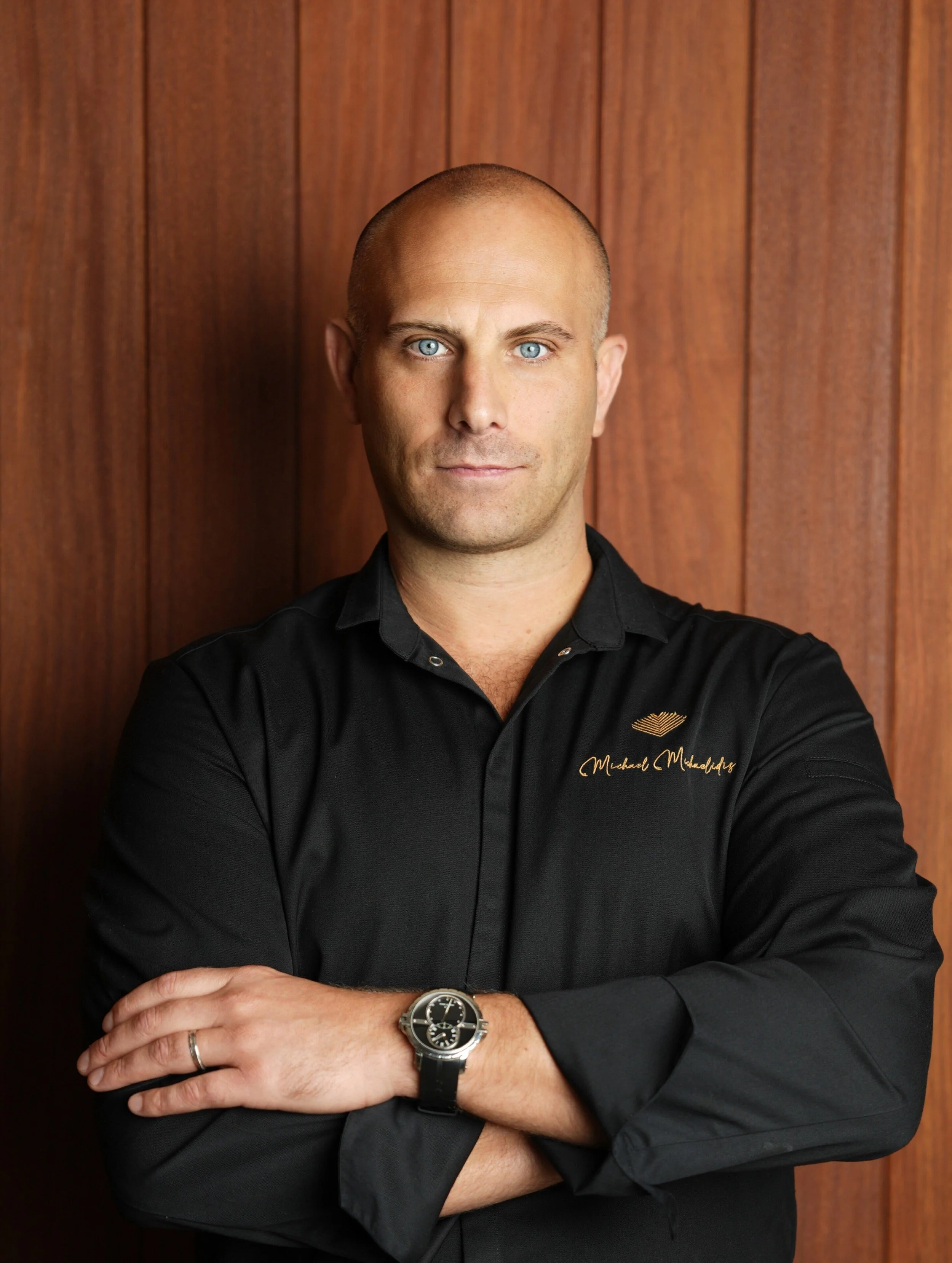
The chef associated with Château Restaurant Joël Robuchon is Michael Michaelidis.
What's Château Restaurant Joël Robuchon best at?
The critical case for this restaurant is built on the formal dining ceremony as a complete system rather than any individual course. The trolley service — butter, bread, cheese, and mignardises — is cited by Michelin as the pinnacle of the experience, and the three-star designation reflects sustained performance across that totality. Ranked 111th among Japan's restaurants by Opinionated About Dining in 2025 and awarded 95 points by La Liste the same year, the restaurant holds its position through the precision of service architecture as much as the food itself.
Address
Japan, 〒153-0062 Tokyo, Meguro City, Mita, 1 Chome−13−1 恵比寿ガーデンプレイス内
Ebisu
How it compares
Château Restaurant Joël Robuchon
- Cuisine
- French
- Awards
- For Joël Robuchon, ‘emperor of French cuisine’, this eponymous restaurant is the jewel in the crown of the company. Kenichiro Sekiya, recipient of the prestigious Meilleurs Ouvriers de France (MOF) and heir to both the spirit and cuisine of his famous mentor, uses Japanese ingredients to breathe new life into French gastronomy. His interpretation of Le Caviar Imperial evolves from generation to generation. Even the trolley service is the pinnacle of luxury. A table of magnificence as befits the hall of the emperor.; Opinionated About Dining Top Restaurants in Japan Ranked #111 (2025); Les Grandes Tables Du Monde Award (2025); La Liste Top Restaurants (2025): 95pts; In a city like Las Vegas, where once-in-a-lifetime dining experiences occur daily, Joël Robuchon at MGM Grand is a crown jewel. Walk through the smoked glass doors and onto the black-and-white, geometric-tiled floor and be ... **Our Inspector's Highlights The stars of Joël Robuchon are the tableside carts, starting with the butter service, where a domed block of Brittany butter is carved with a warm spoon and then swirled onto a plate before 18 different types of bread are presented. There are also carts with whole tea plants, a mignardises trolley with delicate and whimsical sweets, and a wondrous cheese cart.The design of the dining room is thoroughly un-Vegas. Closed off from the casino and in a world all its own, the venue boasts beautiful aesthetics, and the vibe is peaceful and refined.A night of dining at Joël Robuchon means consuming the very best ingredients available. From caviar to truffles, everything here is prime.The service at this Las Vegas restaurant is also top-notch. Even executive chef Christophe De Lellis visits every table nightly.A journey into the kitchen reveals its perfection — you could hear a pin drop inside this well-oiled machine, and it’s spotless without a single item out of place. This all leads to how well the product is treated first by the chefs, then outside in the dining room.** **Things to Know It is suggested to make reservations two weeks in advance, as the main dining room seats only 42 and the garden accommodates 14. For large parties, there is a private dining room that seats 10.There are several ways to dine at the Forbes Travel Guide Five-Star restaurant — choose from either à la carte selections, a prix fixe menu or a 16-course tasting, divided into four segments of service.There is a focus on a rebirth of Joël Robuchon’s classic dishes, which places top priority on simplicity of what’s served. You won’t find any fusions, hybrids or bizarre ingredient combinations here.The entire venue evolves seasonally, from the menu to the colors of the tabletop décor and floral presentations.The dress code at Joël Robuchon is formal. Ladies will want to put on one of their prize dresses and closed-toe heels for dinner at the world-renowned French restaurant. Men will want to wear a suit and tie with classic leather loafers.** **Treatments:** The Food The crispy egg caviar dish really embodies the Robuchon philosophy, as does the caviar gelée with cauliflower dots and king crab. These plates have three or four well-executed ingredients each, all thoughtfully placed for maximum effect.When in season (usually in the winter), the black truffle tart with onion and bacon jam, and venison filet with foie gras in a vintage port reduction are must-tries.Star ingredients for the spring and summer include white and green asparagus, morel mushrooms, peas and lamb. Expect to see executive chef Christophe De Lellis switch up the offerings with surprises like an almond milk soup.When ordering the potato truffle in Las Vegas versus the potato truffle in the Shanghai outpost, expect to see some variation — maybe the knife cut, the herbs or the way the foie gras is cooked is unique. The base is the same, but the interpretation is always different. **Amenities:** 3799 Las Vegas Boulevard South, Las Vegas, Nevada 89109; Michelin 3 Stars (2025); Opinionated About Dining Top Restaurants in Japan Ranked #94 (2024); Le Caviar Imperial tops the list in a procession of dishes, each a work of art on a plate. Breads and desserts roll by on a trolley for your selection. Joël Robuchon’s eponymous restaurant is a crystallisation of the great chef’s gastronomy. Carrying the torch for the Joël Robuchon esprit is Chef Kenichiro Sekiya, recipient of the prestigious Meilleurs Ouvriers de France (MOF) title. Sekiya is shaping the future of Japan’s culinary landscape, devising new recipes based on the teachings of his famous mentor.; Opinionated About Dining Top Restaurants in Japan Ranked #62 (2023)
- Notes
- This venue
- Cuisine
- Sushi
- Awards
- Michelin 3 Star, World's 50 Best
- Notes
- Sushi, ¥¥¥¥
- Cuisine
- Kaiseki, Japanese
- Awards
- Michelin 3 Star, World's 50 Best
- Notes
- Kaiseki, Japanese, ¥¥¥¥
- Cuisine
- French
- Awards
- Michelin 3 Star, World's 50 Best
- Notes
- French, ¥¥¥¥
- Cuisine
- Innovtive French, French
- Awards
- Michelin 2 Star, World's 50 Best
- Notes
- Innovtive French, French, ¥¥¥¥
- Cuisine
- Innovative
- Awards
- Michelin 2 Star, World's 50 Best
- Notes
- Innovative, ¥¥¥¥
In residence
Similar places
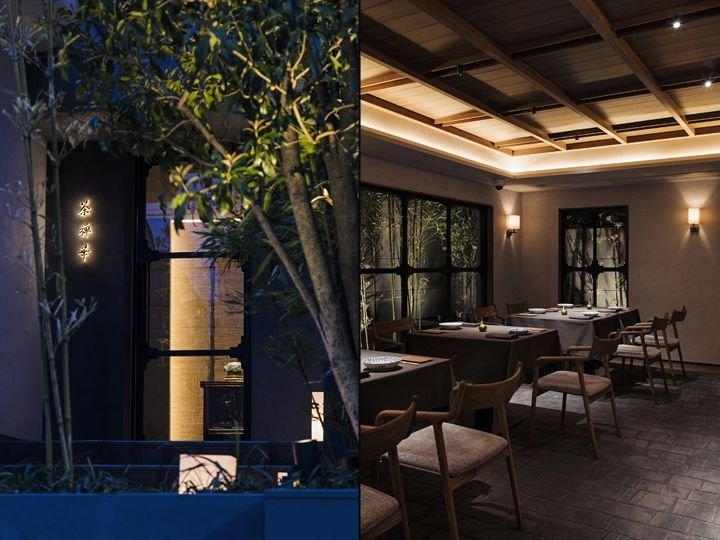
Modern Chinese Fine Dining
Sazenka
Tokyo, Japan
★★★ · 50 Best
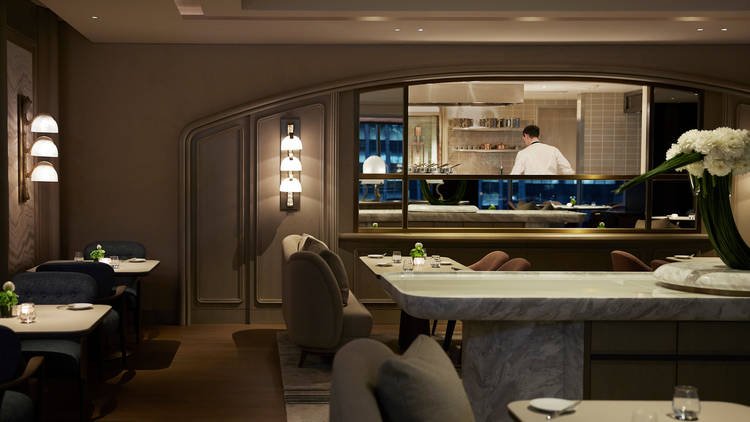
Sézanne
Tokyo, Japan
★★★ · 50 Best
Modern Japanese Satoyama Fine Dining
Narisawa
Tokyo, Japan
★★ · 50 Best
Modern French-Japanese Plant-Based Fine Dining
Florilège
Tokyo, Japan
★★ · 50 Best
Modern French Fine Dining
Quintessence
Tokyo, Japan
★★★
Modern Minimalist Kaiseki
Myojaku
Tokyo, Japan
★★★ · 50 Best