Restaurant
Den
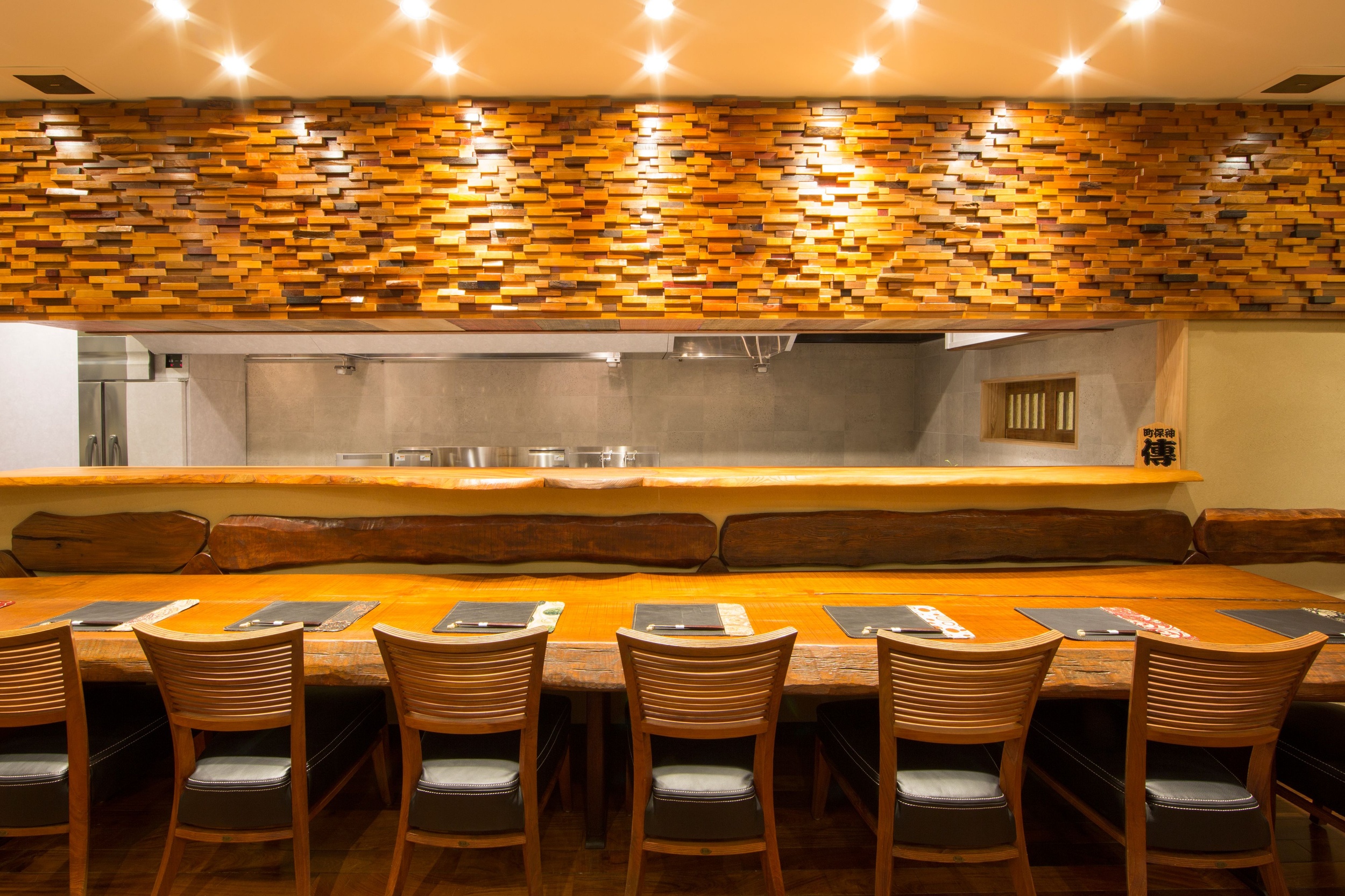
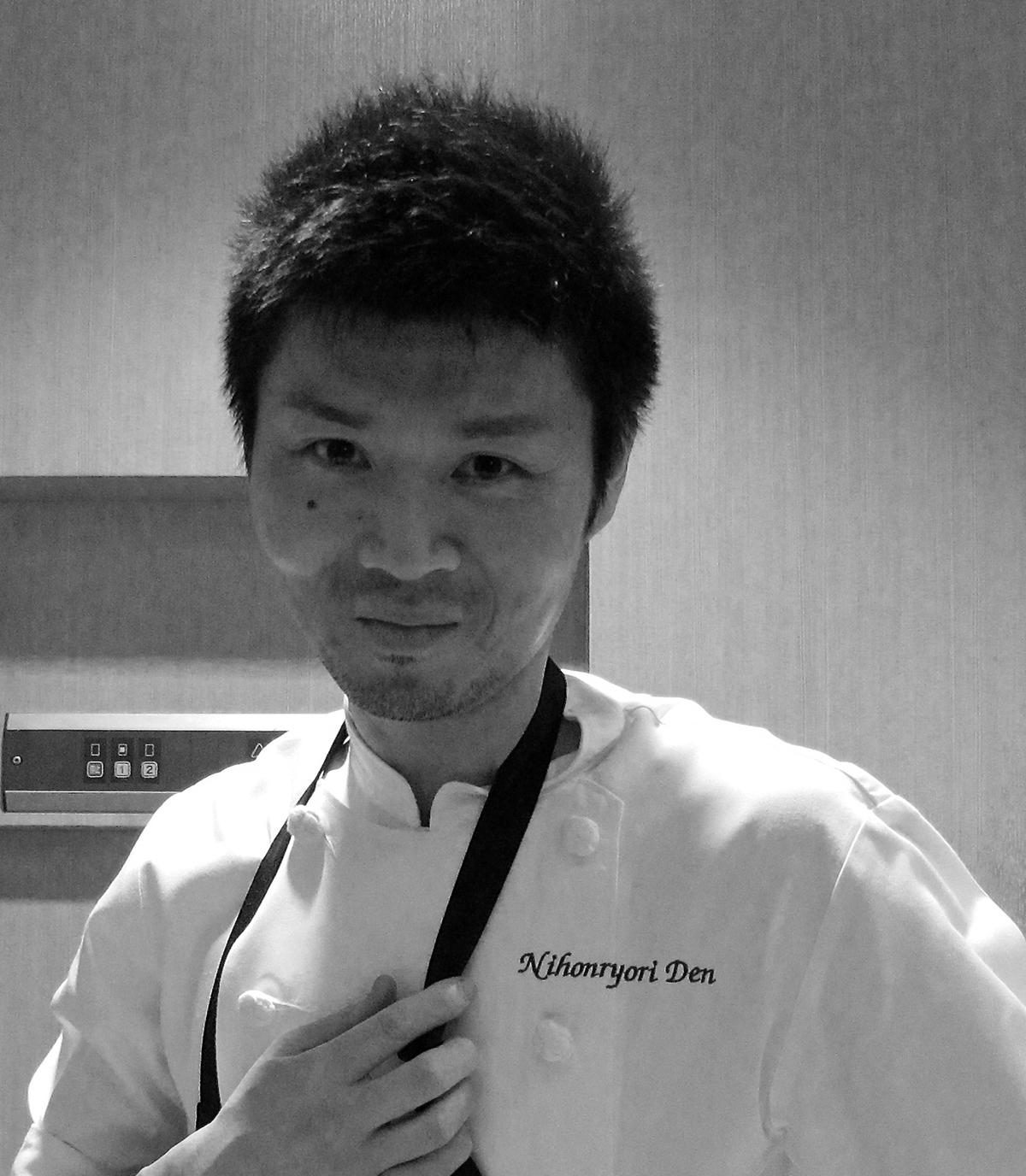
Den occupies a particular position in Tokyo's innovative dining scene: two Michelin stars, a Tabelog Silver Award held continuously since 2017, and a World's 50 Best ranking that peaked at number 11. Chef Zaiyu Hasegawa's omakase format reinterprets the seasonal discipline of Japanese multi-course cooking through a playful, technically precise lens, housed in the JIA architectural hall in Jingumae, Shibuya.
- 2 Michelin Stars
- World's 50 Best · #11
At a glance
- Cuisine
- Modern Japanese Kaiseki
- Price
- $$$$
- Per person
- $150
- Hours
- Mon: 6–8 PM; Tue: 6–8 PM; Wed: 6–8 PM; Thu: 6–8 PM; Fri: 6–8 PM; Sat: 6–8 PM; Sun: Closed
- Neighborhood
- Shibuya
- Rating
- 4.4 (321)
<h2>Where Japanese Seasonal Discipline Meets Deliberate Play</h2><p>Tokyo's innovative dining category covers considerable ground. At one end sit counters that treat experimentation as spectacle; at the other, restaurants that use creativity as a tool for deepening, rather than departing from, Japanese culinary tradition. Den, in Jingumae, Shibuya, has occupied the latter position for nearly a decade. The restaurant holds two Michelin stars, a Tabelog Silver Award that has run continuously from 2017 through 2026, and a World's 50 Best ranking that reached number 11 in both 2019 and 2021 before settling at number 53 in 2025. Its Tabelog score of 4.34 places it among a tight cluster of Tokyo's most consistently recognised creative kitchens.</p><p>The address matters. Jingumae sits between the ordered wealth of Omotesando and the younger energy of Harajuku, a neighbourhood that has long hosted design studios, galleries, and the kind of restaurants that don't announce themselves loudly. The JIA Kan building, home of the Japan Institute of Architects, is not the obvious setting for a destination dining room, and that is partly the point. The space reads as a house restaurant, the Tabelog classification used for venues that feel domestic in scale and atmosphere rather than formal. For a room operating in the same peer tier as <a href="https://www.enprimeurclub.com/restaurants/ryugin">RyuGin</a> and <a href="https://www.enprimeurclub.com/restaurants/leffervescence-tokyo-restaurant">L'Effervescence</a>, the register is deliberately warm rather than reverential.</p><h2>The Kaiseki Framework, Reinterpreted</h2><p>Japan's multi-course dining tradition is built around a set of principles: seasonal primacy, visual precision, the progression of textures and temperatures, and the idea that a meal should reflect the moment in which it is eaten. Kaiseki codified these principles over centuries. What the more adventurous kitchens operating in Tokyo today do is hold those principles intact while loosening the formal grammar through which they are expressed.</p><p>Den's omakase format works within this framework. The menu changes daily in response to seasonal produce, the kind of logistical commitment that requires individual preparation of each ingredient and, as the kitchen notes, will occasionally add time to service. The approach signals where the kitchen's priorities lie: the market and the season come before the consistency of a fixed menu. For comparison, <a href="https://www.enprimeurclub.com/restaurants/harutaka-tokyo-restaurant">Harutaka</a> applies similar seasonal discipline within sushi's stricter formal constraints, while Den's creative latitude is wider.</p><p>Two dishes have become reference points for understanding the kitchen's sensibility. Monaka, a traditional confectionery wafer sandwich, appears early in the course not as a sweet but filled with foie gras seasoned with miso, alongside fruit and vegetables. The move is characteristic: a familiar Japanese form, repurposed without abandoning the logic of the original. Fried chicken wing tips stuffed with iimushi, mochi rice steamed with seasonal toppings, follow a similar logic. The technique is grounded in Japanese cooking; the assembly is Den's own. These are not fusion gestures but reconfigurations that assume the diner already understands what is being played with.</p><p>The drink program reflects the same attention to Japanese provenance. The kitchen is described as particular about sake, with nihonshu holding a central place alongside wine. For a room whose food draws so specifically on Japanese ingredient culture, the pairing logic follows naturally.</p><h2>Den in Tokyo's Innovative Dining Tier</h2><p>The competitive set for a two-Michelin-star creative kitchen in Tokyo in 2025 is more crowded than it was ten years ago. The city has produced a generation of chefs trained across Europe and Japan who operate between categories, and the distinction between kaiseki, nouvelle cuisine japonaise, and fully international creative cooking has blurred considerably. Den sits closest to the kaiseki-adjacent end of that spectrum, using Japanese produce and culinary grammar as the primary material rather than as one element among many.</p><p>Price tier reflects its positioning. Dinner runs JPY 30,000 to JPY 39,999 per person before service, which places it at a meaningful discount to the upper bracket occupied by four-yen-sign peers such as <a href="https://www.enprimeurclub.com/restaurants/sezanne-tokyo-restaurant">Sézanne</a> or <a href="https://www.enprimeurclub.com/restaurants/crony-tokyo-restaurant">Crony</a>. For a restaurant with sustained 50 Best recognition and a decade of Michelin stars, the pricing is notably accessible within the Tokyo fine dining market.</p><p>Omakase course entry point is stated at JPY 15,000, confirmed by the owner, which suggests a shorter or lunch-format variation separate from the standard dinner course. Lunch service is listed as irregular, so the evening omakase at the higher price range is the reliable format. The 10 percent service charge applies on leading of quoted prices.</p><p>Internationally, the restaurant's reach extends beyond Tokyo comparisons. Asia's 50 Best placed Den at number 22 for 2025. La Liste awarded 94.5 points in 2025. Opinionated About Dining ranked it 25th among Japan's restaurants that same year, placing it in a national peer group that includes <a href="https://www.enprimeurclub.com/restaurants/hajime-osaka-restaurant">HAJIME in Osaka</a> and <a href="https://www.enprimeurclub.com/restaurants/gion-sasaki-kyoto-restaurant">Gion Sasaki in Kyoto</a> at the leading of Japan's fine dining hierarchy.</p><h2>Atmosphere and Format</h2><p>The room is classified as a relaxing space, the contrast with the gravity of the awards list is intentional. The dining format is structured around conversation and ease as much as technical precision. Children are welcome, private rooms are available for groups of four at JPY 4,000 per room, and the occasion is described as suited to families and friends rather than exclusively formal business dining. In a category where solemnity is often treated as a proxy for seriousness, Den's insistence on warmth as a design principle is a considered editorial choice about what fine dining should feel like.</p><p>The front of house plays a direct role in shaping this. Staff welcome guests actively; the atmosphere has been characterised consistently as warm and engaged rather than distant. In kaiseki's formal tradition, the service role is essential to pacing and reading the table. At Den, that role is expressed with less ceremony and more direct engagement.</p><h2>Planning Your Visit</h2><div style="background:#f7f5f0;border-left:4px solid #b89a6a;padding:1.2em 1.5em;margin:2em 0;"><h3 style="margin-top:0;">Know Before You Go</h3><ul style="list-style:none;padding:0;margin:0;"><li><strong>Address:</strong> 2-3-18 Jingumae, Shibuya-ku, Tokyo (JIA Kan building)</li><li><strong>Nearest station:</strong> Gaiemmae, approximately 555 metres</li><li><strong>Dinner price range:</strong> JPY 30,000 to JPY 39,999 per person plus 10% service charge</li><li><strong>Omakase entry point:</strong> From JPY 15,000 (confirmed by owner; format may vary)</li><li><strong>Hours:</strong> Monday to Saturday, 18:00 to 23:30 (last order 22:30); last entry by 20:00; closed Sundays and public holidays</li><li><strong>Reservations:</strong> Phone only, no online booking; accepted from 12:00 to 17:00; window opens two months in advance</li><li><strong>Phone:</strong> +81-3-6455-5433 (note: phones may go unanswered during service)</li><li><strong>Private rooms:</strong> Available for four guests at JPY 4,000 per room</li><li><strong>Payment:</strong> Credit cards accepted (Visa, Mastercard, JCB, Amex, Diners)</li><li><strong>Monday reservations:</strong> Must be made by the preceding Saturday</li><li><strong>Lunch:</strong> Irregular; confirm directly before planning</li><li><strong>Dress code:</strong> Not specified</li><li><strong>Parking:</strong> Not available</li></ul></div><p>For further dining options in the city, <a href="https://www.enprimeurclub.com/restaurants/tokyo">our full Tokyo restaurants guide</a> covers the range from sushi counters to international creative kitchens. If you are building a broader Tokyo itinerary, <a href="https://www.enprimeurclub.com/hotels/tokyo">our Tokyo hotels guide</a>, <a href="https://www.enprimeurclub.com/bars/tokyo">Tokyo bars guide</a>, <a href="https://www.enprimeurclub.com/wineries/tokyo">Tokyo wineries guide</a>, and <a href="https://www.enprimeurclub.com/experiences/tokyo">Tokyo experiences guide</a> cover the full spectrum. For creative dining elsewhere in Japan, consider <a href="https://www.enprimeurclub.com/restaurants/akordu-nara-restaurant">akordu in Nara</a>, <a href="https://www.enprimeurclub.com/restaurants/goh-fukuoka-restaurant">Goh in Fukuoka</a>, <a href="https://www.enprimeurclub.com/restaurants/1000-yokohama-restaurant">1000 in Yokohama</a>, and <a href="https://www.enprimeurclub.com/restaurants/6-okinawa-restaurant">6 in Okinawa</a>. For international reference points in the same creative tradition, <a href="https://www.enprimeurclub.com/restaurants/atomix">Atomix in New York City</a> and <a href="https://www.enprimeurclub.com/restaurants/le-bernardin">Le Bernardin in New York City</a> represent the range of what technically ambitious, produce-driven fine dining can look like outside Japan.</p><h2>Frequently Asked Questions</h2><h3>What is the overall feel of Den?</h3><p>Den operates with two Michelin stars and a decade of Tabelog Silver Awards, alongside a World's 50 Best ranking that has placed it as high as number 11 globally. Dinner runs JPY 30,000 to JPY 39,999 per person. Despite that credential set, the atmosphere is deliberately warm and conversational, closer to the register of a family restaurant than a formal dining room. Children are welcome, private rooms are available, and the room is classified as a relaxing space. The contrast between the awards profile and the approachable tone is not accidental: it is the thing that most consistently distinguishes Den from the rest of Tokyo's two-star creative category.</p><h3>What dish leading represents Den's approach to the menu?</h3><p>The monaka course is the most cited reference point. Monaka is a traditional Japanese confection, a pair of thin wafers enclosing a sweet filling. At Den, the format is preserved but the filling becomes foie gras seasoned with miso, accompanied by fruit and vegetables. The structure is Japanese, the ingredients cross categories, and the result works because Chef Zaiyu Hasegawa's kitchen treats the original form with enough respect to make the departure legible. It appears early in the omakase sequence, setting the terms for how the rest of the menu asks to be read. The fried chicken wing tips stuffed with iimushi follow the same logic and have similarly become associated with the kitchen's sensibility across multiple seasons of 50 Best and Michelin recognition.</p>
Know before you go
- Dress code
- smart_casual
- Reservations
- essential
Frequently asked
What's the overall feel of Den?
Den operates as a house restaurant in the JIA Building in Jingumae, Shibuya, and the room is deliberately relaxed rather than formal — a deliberate counterpoint to its two Michelin stars and decade of Tabelog Silver Awards. The kitchen's approach, seasonal and inventive, carries genuine warmth, and the front of house runs the kind of easy, conversational service that makes the three-hour format feel unhurried. Reservations require a phone call between noon and 5 PM, up to two months in advance.
How do I find Den?
Den is located at Japan, 〒150-0001 Tokyo, Shibuya, Jingumae, 2 Chome−3−18 建築家会館JIA館, Tokyo.
What kind of recognition has Den received?
Den has received recognition including: {"Year":"2026","Award Source":"Tabelog","Award Type":"The Tabelog Award","Award Group":"silver","Award Group Rank":"17","Restaurant Name":"Den","Score":"4.34","Budget":"Dinner: JPY 30,000 - JPY 39,999; Lunch: -","Budget Dinner":"JPY 30,000 ….
What's the must-try dish at Den?
The monaka course is the most referenced entry point in the omakase: a traditional thin-wafer confection repurposed to hold foie gras seasoned with miso, alongside fruits and vegetables. The fried chicken wing tips stuffed with iimushi — mochi rice steamed with seasonal toppings — follow as a second signature. Both dishes reflect Hasegawa's core method: start with a familiar Japanese form, then rebuild it around unexpected combinations. Dinner averages ¥30,000–¥39,999 per person plus a 10% service charge.
Address
Japan, 〒150-0001 Tokyo, Shibuya, Jingumae, 2 Chome−3−18 建築家会館JIA館
Shibuya
How it compares
- Cuisine
- Innovative, Japanese
- Price
- ¥¥¥
- Awards
- {"Year":"2026","Award Source":"Tabelog","Award Type":"The Tabelog Award","Award Group":"silver","Award Group Rank":"17","Restaurant Name":"Den","Score":"4.34","Budget":"Dinner: JPY 30,000 - JPY 39,999; Lunch: -","Budget Dinner":"JPY 30,000 - JPY 39,999","Budget Lunch":"-","Price":"JPY 30,000 - JPY 39,999 JPY 20,000 - JPY 29,999 View spending breakdown","Average Price":"N/A","Average Price (Based on reviews)":"JPY 30,000 - JPY 39,999 JPY 20,000 - JPY 29,999 View spending breakdown","Featured Item":"N/A","Full Address (with ZIP)":"東京都渋谷区神宮前2-3-18 建築家会館JIA館, 1500001, Japan","Address":"東京都渋谷区神宮前2-3-18 建築家会館JIA館","Postal Code":"1500001","City":"Jingumae Shibuya Tokyo","State":"Tokyo","Country":"Japan","Phone":"+81364555433","Phone Raw":"+81-3-6455-5433","Website":"","Description":"Check out Den/伝 でん (Gaiemmae/Creative) on Tabelog! Not just about the deliciousness. A Japanese restaurant filled with fun and surprises that's currently in the spotlight! [Private rooms available / No Smoking] Discover Japanese restaurants featuring detailed information such as menus and maps, along with user-posted reviews, ratings, and photos!","Categories":"Creative","Awards & Recognitions":"The Tabelog Award 2026 Silver winner The Tabelog Award 2026 Silver winner The Tabelog Award 2025 Silver winner The Tabelog Award 2025 Silver winner The Tabelog Award 2024 Silver winner The Tabelog Award 2024 Silver winner The Tabelog Award 2023 Silver winner The Tabelog Award 2023 Silver winner The Tabelog Award 2022 Bronze winner The Tabelog Award 2022 Bronze winner The Tabelog Award 2021 Silver winner The Tabelog Award 2021 Silver winner The Tabelog Award 2020 Silver winner The Tabelog Award 2020 Silver winner The Tabelog Award 2019 Silver winner The Tabelog Award 2019 Silver winner Selected for Tabelog Innovative/Creative Cuisine \"Tabelog 100\" 2025 Selected for Tabelog Innovative/Creative Cuisine \"Tabelog 100\" 2025 受賞・選出歴 閉じる The Tabelog Award 受賞歴 2026年Silver受賞店 The Tabelog Award 2026 Silver 受賞店 2025年Silver受賞店 The Tabelog Award 2025 Silver 受賞店 2024年Silver受賞店 The Tabelog Award 2024 Silver 受賞店 2023年Silver受賞店 The Tabelog Award 2023 Silver 受賞店 2022年Bronze受賞店 The Tabelog Award 2022 Bronze 受賞店 2021年Silver受賞店 The Tabelog Award 2021 Silver 受賞店 2020年Silver受賞店 The Tabelog Award 2020 Silver 受賞店 2019年Silver受賞店 The Tabelog Award 2019 Silver 受賞店 2018年Silver受賞店 The Tabelog Award 2018 Silver 受賞店 2017年Silver受賞店 The Tabelog Award 2017 Silver 受賞店 百名店 選出歴 創作料理・イノベーティブ 百名店 2025 選出店 食べログ 創作料理・イノベーティブ 百名店 2025 選出店","Reservation availability":"Reservations available Available from 12:00 PM to 5:00 PM. Please note that we will charge for the meal cost in case of cancellation on the day of your reservation. If you are making a reservation for Monday, please do so by Saturday.","Business hours":"Mon, Tue, Wed, Thu, Fri, Sat 18:00 - 23:30 L.O. 22:30 Sun, Public Holiday Closed ■Business hours [Mon - Sat] Last entry by 20:00 [Sun & Public Holidays] Not fixed ■Closed on Sundays and Public Holidays (Not fixed)","Payment methods":"Credit card accepted (VISA, Master, JCB, AMEX, Diners)","Private rooms":"Available For 4 people Private rooms cost 4,000 yen per room.","Non-smoking/smoking":"Non smoking","Number of seats":"N/A","Private use":"Unavailable","Parking":"Unavailable","Space/facilities":"Relaxing space","Drink":"Sake (Nihonshu), Wine, Particular about Sake (Nihonshu)","Food":"Particular about fish","Service":"N/A","Family friendly":"Children welcome","Service charge & fee":"Service charge 10% Original text サービス料10% This section has been automatically translated. Please check with the restaurant for accurate information.","Dress code":"N/A","Maximum party size":"N/A","Location":"A house restaurant","Occasion":"Family friendly | Friends This occasion is recommended by many people.","Remarks":"[Reservation Information] Online reservations are not accepted. We are accepting reservations until the same date two months from now. The reservation acceptance time starts at 12:00 and is from 12:00 to 17:00. (Confirmed by the owner) During business hours, we are often very busy and may not be able to answer the phone. [About Lunch Service] Lunch service is irregular. [About the Cuisine] Currently, the omakase course starts at 15,000 yen. (Confirmed by the owner) The menu changes daily based on seasonal ingredients. To serve our customers the best dishes, we prepare each ingredient individually, which may take some time.","The opening day":"N/A","Receipt (Qualified simple invoice)":"N/A","Latitude":"35.67318463870403","Longitude":"139.7127294343408","Primary Image URL":"","Image URL Count":"20","Image URLs":"","Restaurant ID":"13046855","Source URL":"","Raw Details JSON":"{\"Restaurant name\":\"Den\",\"Awards & Recognitions\":\"The Tabelog Award 2026 Silver winner The Tabelog Award 2026 Silver winner The Tabelog Award 2025 Silver winner The Tabelog Award 2025 Silver winner The Tabelog Award 2024 Silver winner The Tabelog Award 2024 Silver winner The Tabelog Award 2023 Silver winner The Tabelog Award 2023 Silver winner The Tabelog Award 2022 Bronze winner The Tabelog Award 2022 Bronze winner The Tabelog Award 2021 Silver winner The Tabelog Award 2021 Silver winner The Tabelog Award 2020 Silver winner The Tabelog Award 2020 Silver winner The Tabelog Award 2019 Silver winner The Tabelog Award 2019 Silver winner Selected for Tabelog Innovative/Creative Cuisine \\\"Tabelog 100\\\" 2025 Selected for Tabelog Innovative/Creative Cuisine \\\"Tabelog 100\\\" 2025 受賞・選出歴 閉じる The Tabelog Award 受賞歴 2026年Silver受賞店 The Tabelog Award 2026 Silver 受賞店 2025年Silver受賞店 The Tabelog Award 2025 Silver 受賞店 2024年Silver受賞店 The Tabelog Award 2024 Silver 受賞店 2023年Silver受賞店 The Tabelog Award 2023 Silver 受賞店 2022年Bronze受賞店 The Tabelog Award 2022 Bronze 受賞店 2021年Silver受賞店 The Tabelog Award 2021 Silver 受賞店 2020年Silver受賞店 The Tabelog Award 2020 Silver 受賞店 2019年Silver受賞店 The Tabelog Award 2019 Silver 受賞店 2018年Silver受賞店 The Tabelog Award 2018 Silver 受賞店 2017年Silver受賞店 The Tabelog Award 2017 Silver 受賞店 百名店 選出歴 創作料理・イノベーティブ 百名店 2025 選出店 食べログ 創作料理・イノベーティブ 百名店 2025 選出店\",\"Categories\":\"Creative\",\"Phone number (for reservation and inquiry)\":\"03-6455-5433\",\"Reservation availability\":\"Reservations available Available from 12:00 PM to 5:00 PM. Please note that we will charge for the meal cost in case of cancellation on the day of your reservation. If you are making a reservation for Monday, please do so by Saturday.\",\"Address\":\"東京都渋谷区神宮前2-3-18 建築家会館JIA館 Show larger map Find nearby restaurants Transportation 555 meters from Gaiemmae.\",\"Business hours\":\"Mon, Tue, Wed, Thu, Fri, Sat 18:00 - 23:30 L.O. 22:30 Sun, Public Holiday Closed ■Business hours [Mon - Sat] Last entry by 20:00 [Sun & Public Holidays] Not fixed ■Closed on Sundays and Public Holidays (Not fixed)\",\"Average price (Based on reviews)\":\"JPY 30,000 - JPY 39,999 JPY 20,000 - JPY 29,999 View spending breakdown\",\"Payment methods\":\"Credit card accepted (VISA, Master, JCB, AMEX, Diners)\",\"Service charge & fee\":\"Service charge 10% Original text サービス料10% This section has been automatically translated. Please check with the restaurant for accurate information.\",\"Private rooms\":\"Available For 4 people Private rooms cost 4,000 yen per room.\",\"Private use\":\"Unavailable\",\"Non-smoking/smoking\":\"Non smoking\",\"Parking\":\"Unavailable\",\"Space/facilities\":\"Relaxing space\",\"Drink\":\"Sake (Nihonshu), Wine, Particular about Sake (Nihonshu)\",\"Food\":\"Particular about fish\",\"Occasion\":\"Family friendly | Friends This occasion is recommended by many people.\",\"Location\":\"A house restaurant\",\"Family friendly\":\"Children welcome\",\"Dress code\":\"none\",\"Website\":\"",\"Remarks\":\"[Reservation Information] Online reservations are not accepted. We are accepting reservations until the same date two months from now. The reservation acceptance time starts at 12:00 and is from 12:00 to 17:00. (Confirmed by the owner) During business hours, we are often very busy and may not be able to answer the phone. [About Lunch Service] Lunch service is irregular. [About the Cuisine] Currently, the omakase course starts at 15,000 yen. (Confirmed by the owner) The menu changes daily based on seasonal ingredients. To serve our customers the best dishes, we prepare each ingredient individually, which may take some time.\"}","Matched Location ID":"cf55e829-c097-4ae7-806a-a9b33fea82c5","Match Status":"matched","Match Method":"award_page_url_exact","Match Confidence":"high","Matched On URL":"","Matched DB Name":"Den","Matched DB Address":"2-3-18 Jingumae, Shibuya-ku, Tokyo, 150-0001, Japan","Needs Review":"no","Review Reason":"","Fallback Score":"","Fallback Name Sim":"","Fallback Addr Sim":"","Fallback Loc Sim":"","Fallback City Sim":"","Fallback Country Sim":"","Fallback Phone Match":"","Fallback Domain Match":"","Fallback Explanation":""}; The team at Den welcomes guests with bright smiles and easy conversation. A playful, inventive menu brings a fresh perspective to Japanese cuisine. The omakase menu begins with monaka, a wafer sandwich filled with foie gras seasoned with miso, along with fruits and vegetables. Fried chicken wing tips are stuffed with iimushi, mochi rice steamed with seasonal toppings. The delight of his guests is what drives the chef. Original thinking gives rise to the sort of fun dining experience only Den can offer.; The venue crafts a lively, conversation‑driven dining experience where tradition meets whimsy. Guests are welcomed with warmth as the menu shifts between playful monaka snacks and inventive bites that reinterpret familiar Japanese flavors. Dishes arrive in bold, artful presentations, each telling a story of seasonal produce and shared discovery. The front of house exudes charm, the atmosphere feels like a family restaurant, and the overall mood invites guests to grin and explore new textures, textures, and textures again.; The venue crafts a lively, conversation‑driven dining experience where tradition meets whimsy. Guests are welcomed with warmth as the menu shifts between playful monaka snacks and inventive bites that reinterpret familiar Japanese flavors. Dishes arrive in bold, artful presentations, each telling a story of seasonal produce and shared discovery. The front of house exudes charm, the atmosphere feels like a family restaurant, and the overall mood invites guests to grin and explore new textures, textures, and textures again.; Opinionated About Dining Top Restaurants in Japan Ranked #25 (2025); World's 50 Best Best Restaurants #53 (2025); La Liste Top Restaurants (2025): 94.5pts; Chef: Zaiyu Hasegawa document.addEventListener("DOMContentLoaded", function() { var el = document.getElementById("Achievements_chefs"); if (el && el.parentNode) { el.parentNode.removeChild(el); } });; Tabelog Silver Award 2025 Score: 4.3 Cuisine: Creative cuisine / Tokyo Phone: 03-6455-5433 Hours: Mon, Tue, Wed, Thu, Fri, Sat 18:00 - 23:30 L.O. 22:30 Address: Tokyo Shibuya Ward Jingumae2318 建築家会館JIA館 Tabelog:; World's 50 Best Asia's Best Restaurants #22 (2025); Pearl Recommended Restaurant (2025); Michelin 2 Stars (2025); Opinionated About Dining Top Restaurants in Japan Ranked #20 (2024); World's 50 Best Best Restaurants #32 (2024); Michelin 2 Stars (2024); Opinionated About Dining Top Restaurants in Japan Ranked #20 (2023); World's 50 Best Best Restaurants #21 (2023); World's 50 Best Best Restaurants #20 (2022); World's 50 Best Best Restaurants #11 (2021); World's 50 Best Best Restaurants #11 (2019); World's 50 Best Best Restaurants #17 (2018); World's 50 Best Best Restaurants #45 (2017)
- Notes
- This venue
- Cuisine
- Sushi
- Price
- ¥¥¥¥
- Awards
- Michelin 3 Star, World's 50 Best
- Notes
- Sushi, ¥¥¥¥
- Cuisine
- Kaiseki, Japanese
- Price
- ¥¥¥¥
- Awards
- Michelin 3 Star, World's 50 Best
- Notes
- Kaiseki, Japanese, ¥¥¥¥
- Cuisine
- French
- Price
- ¥¥¥¥
- Awards
- Michelin 3 Star, World's 50 Best
- Notes
- French, ¥¥¥¥
- Cuisine
- Innovtive French, French
- Price
- ¥¥¥¥
- Awards
- Michelin 2 Star, World's 50 Best
- Notes
- Innovtive French, French, ¥¥¥¥
- Cuisine
- Innovative
- Price
- ¥¥¥¥
- Awards
- Michelin 2 Star, World's 50 Best
- Notes
- Innovative, ¥¥¥¥
In residence
Similar places
Modern Chinese Fine Dining
Sazenka
Tokyo, Japan
★★★ · 50 Best
Sézanne
Tokyo, Japan
★★★ · 50 Best
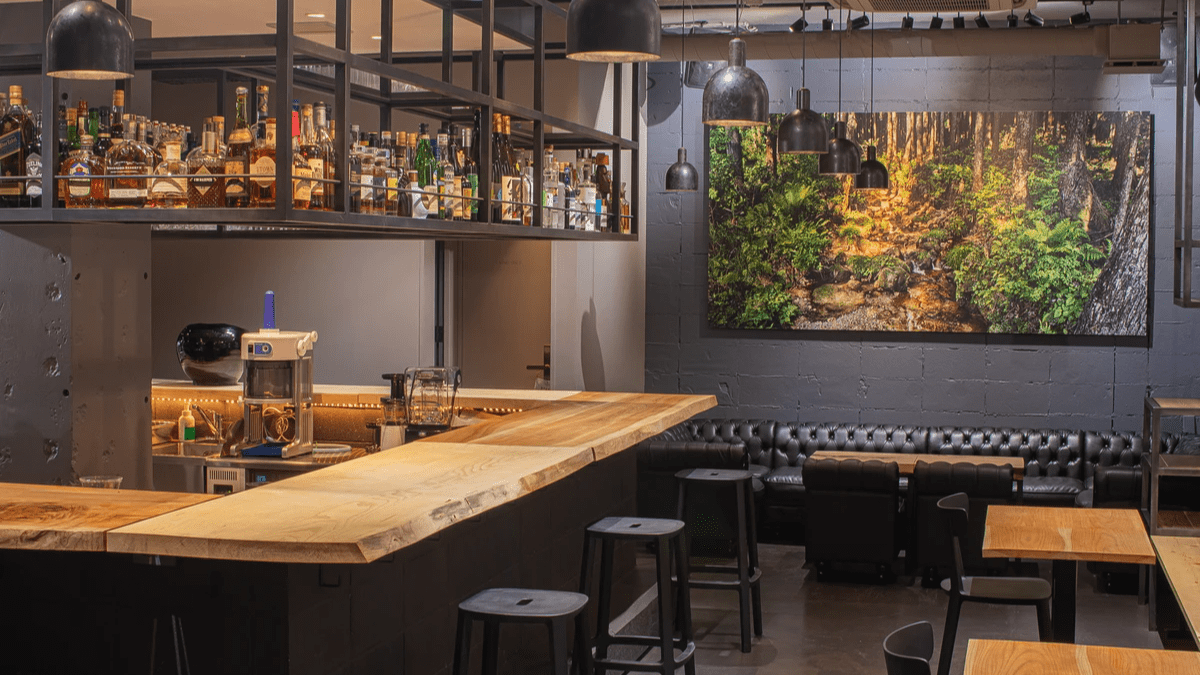
Modern Japanese Satoyama Fine Dining
Narisawa
Tokyo, Japan
★★ · 50 Best
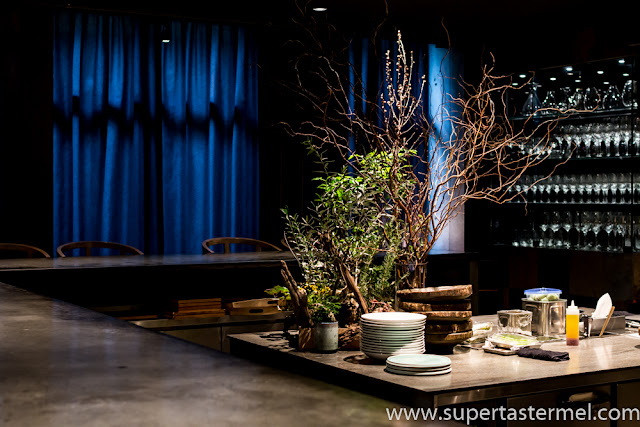
Modern French-Japanese Plant-Based Fine Dining
Florilège
Tokyo, Japan
★★ · 50 Best
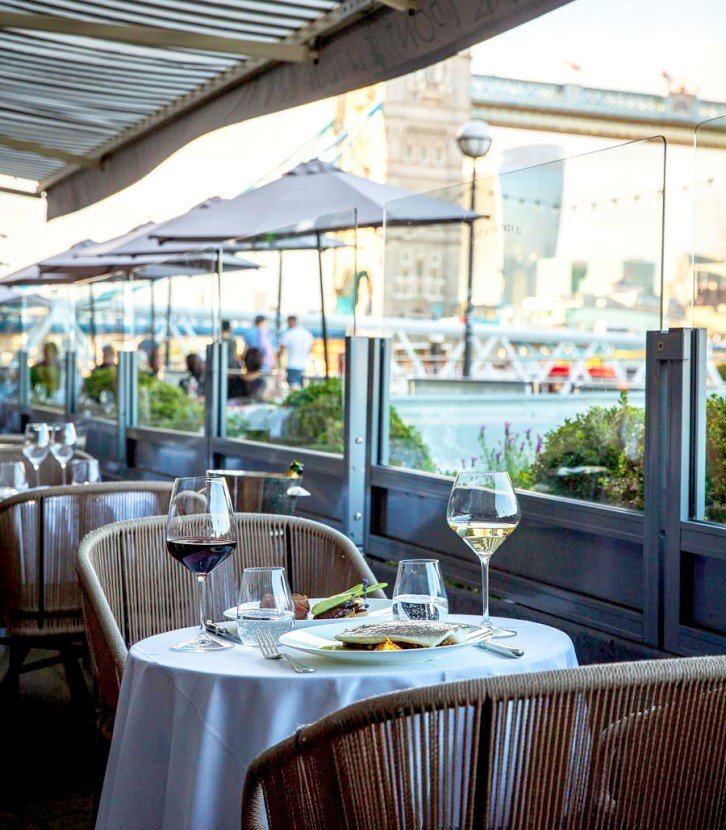
Modern French Fine Dining
Quintessence
Tokyo, Japan
★★★
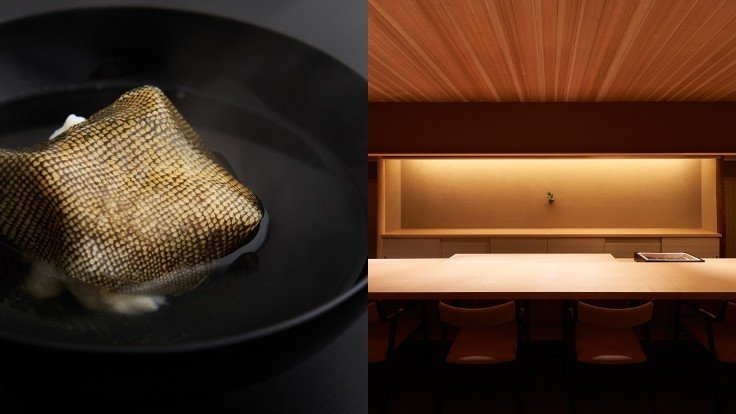
Modern Minimalist Kaiseki
Myojaku
Tokyo, Japan
★★★ · 50 Best